
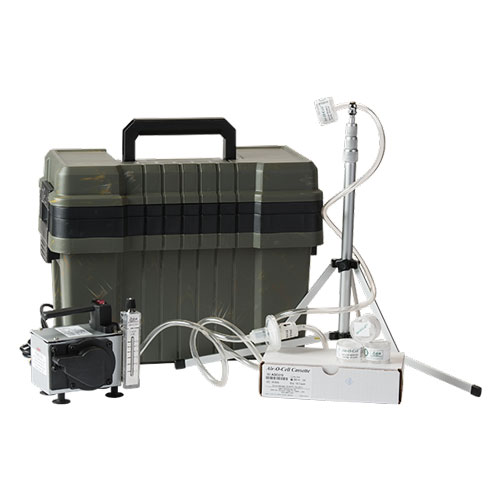


Mold Testing in Fort Lauderdale: Understanding the Process
Mold concerns are common for homeowners and property owners in Fort Lauderdale. High humidity, frequent rain, and year-round air conditioning create conditions where moisture can build up quietly inside homes. When moisture lingers, mold can develop in places that are not immediately visible. Mold testing helps clarify whether mold is present, where it may be located, and what steps—if any—should be taken next.
This guide explains how mold testing works in Fort Lauderdale homes, why it is often necessary, and what property owners should expect from the process.
What Mold Testing Is Designed to Do
Mold testing is not about creating alarm. Its purpose is to provide clear information about indoor conditions when mold is suspected. Testing helps determine whether mold is present, whether levels are elevated compared to normal outdoor conditions, and whether moisture problems may be contributing to growth.
In Fort Lauderdale, mold testing is often used after water damage, persistent humidity issues, or when odors and visible signs raise questions that visual inspection alone cannot answer.
Why Mold Concerns Are Common in Fort Lauderdale
Fort Lauderdale’s climate plays a major role in mold development. High humidity slows drying and keeps indoor air moist. Seasonal storms bring heavy rainfall that can lead to roof leaks, window intrusion, and flooding. AC systems run almost continuously, producing condensation that must drain properly to avoid moisture buildup.
Many homes are tightly sealed for energy efficiency, limiting natural ventilation. Nearby areas such as Lauderdale-by-the-Sea, North Lauderdale, and Pompano Beach experience similar conditions, making mold concerns common across Broward County.
Situations Where Mold Testing Is Helpful
Mold testing is commonly requested in several situations, including:
After plumbing leaks or water damage
Following roof leaks or storm intrusion
When musty odors persist without visible mold
Before or after mold remediation
During real estate transactions
In rental properties with recurring moisture issues
When indoor air feels damp or stale
In these cases, testing provides objective information that helps guide decisions.
The Difference Between Mold Inspection and Mold Testing
Mold inspection and mold testing are related but not the same. Inspection involves visually examining the property and identifying moisture-prone areas. It focuses on finding conditions that support mold growth.
Mold testing involves collecting samples to measure mold levels in the air or on surfaces. Testing is used when inspection findings suggest mold may be present but not clearly visible, or when documentation is needed.
In Fort Lauderdale homes, inspection often comes first, with testing used as a follow-up when appropriate.
How the Mold Testing Process Begins
The mold testing process starts with understanding the property’s history. This includes recent water events, ongoing humidity issues, and areas of concern reported by occupants.
Inspectors then examine areas where mold is most likely to develop, such as bathrooms, kitchens, AC systems, ducts, attics, and any spaces affected by past leaks. Moisture detection tools help identify damp materials that may not look wet on the surface.
This initial assessment determines whether and where testing is needed.
Types of Mold Tests Commonly Used
There are several methods used during mold testing, depending on the situation.
Air sampling measures mold spores in indoor air and compares them to outdoor levels. Surface sampling checks visible or suspected growth on materials such as drywall or wood. In some cases, cavity sampling may be used to assess hidden areas.
The goal is not to test every surface, but to gather meaningful samples that reflect actual conditions inside the home.
What Mold Test Results Tell You
Mold test results provide information about mold levels and types present in sampled areas. In Fort Lauderdale, some mold spores are always present in outdoor air, so results are interpreted in context.
Testing helps determine whether indoor mold levels are elevated, whether they differ significantly from outdoor conditions, and whether moisture issues are influencing growth. Results are used to guide next steps, not to diagnose health conditions.
Why Moisture Matters in Mold Testing
Mold testing is most effective when paired with moisture assessment. Mold cannot grow without moisture, so identifying damp areas is just as important as measuring spores.
In Fort Lauderdale homes, moisture often hides inside walls, under flooring, or near AC components. Moisture detection helps explain why mold levels may be elevated and where corrective action should focus.
Mold Testing After Water Damage or Flooding
After water damage, mold testing helps confirm whether drying efforts were effective. Even when surfaces appear dry, moisture may remain inside building materials.
Testing after flooding or leaks provides reassurance that conditions have returned to normal or identifies areas needing further attention. Early testing often prevents larger remediation projects later.
Mold Testing in Rental and Multi-Unit Properties
Rental properties and multi-unit buildings face added challenges. Moisture issues may go unreported, and multiple units can be affected by shared plumbing or ventilation systems.
Mold testing helps property owners understand the scope of an issue and document conditions accurately. This supports responsible property management and maintenance planning.
Why DIY Mold Test Kits Are Limited
Home mold test kits may seem convenient, but they often provide incomplete or misleading information. These kits cannot assess hidden moisture, compare indoor and outdoor conditions accurately, or interpret results in the context of Fort Lauderdale’s climate.
Professional testing uses proper sampling methods and considers building conditions, making results more meaningful and actionable.
How Mold Testing Guides Next Steps
Mold testing does not automatically mean remediation is required. In some cases, results show normal conditions, allowing homeowners to focus on moisture prevention instead.
When elevated levels are found, testing helps determine the appropriate scope of remediation and prevents unnecessary or incomplete work. It also provides documentation that supports informed decisions.
Pompano Mold Inspection and Testing regularly uses mold testing results to help Fort Lauderdale homeowners understand their options clearly and calmly.
Preventing Mold Issues After Testing
Regardless of test results, preventing future mold issues depends on moisture control.
Maintain AC systems regularly
Keep condensate drain lines clear
Address leaks promptly
Monitor indoor humidity levels
Ensure proper ventilation
Inspect after storms or water events
These steps are especially important in Fort Lauderdale’s humid environment.
Why Local Experience Matters
Mold testing in Fort Lauderdale requires understanding local climate patterns, construction styles, and common moisture sources. Professionals familiar with Broward County homes know where mold typically develops and how to interpret results accurately.
Pompano Mold Inspection and Testing brings that local experience to mold inspection and testing services across Fort Lauderdale and surrounding communities.
A Clear, Practical Takeaway
Mold testing is a tool for clarity, not fear. It helps homeowners understand what is happening inside their home when moisture and mold concerns arise.
For Fort Lauderdale property owners, understanding the mold testing process makes it easier to take informed, timely action. Whether confirming that conditions are normal or identifying areas that need attention, mold testing supports smarter decisions and long-term property protection.