
Mold Testing Services in Lauderdale-by-the-Sea in Coastal Homes: Understanding the Process
Living in Lauderdale-by-the-Sea offers a true coastal lifestyle. Ocean air, steady breezes, and walkable beachside neighborhoods are a major draw for homeowners and property managers. At the same time, this coastal environment creates constant moisture pressure on homes, making mold testing an important step in maintaining indoor conditions.
In many coastal homes, mold problems develop quietly. Salt air, high humidity, wind-driven rain, and nonstop air conditioning allow moisture to settle into areas that are rarely seen. Mold testing helps identify problems early, before visible damage appears or repairs become extensive.
What Mold Testing Really Is
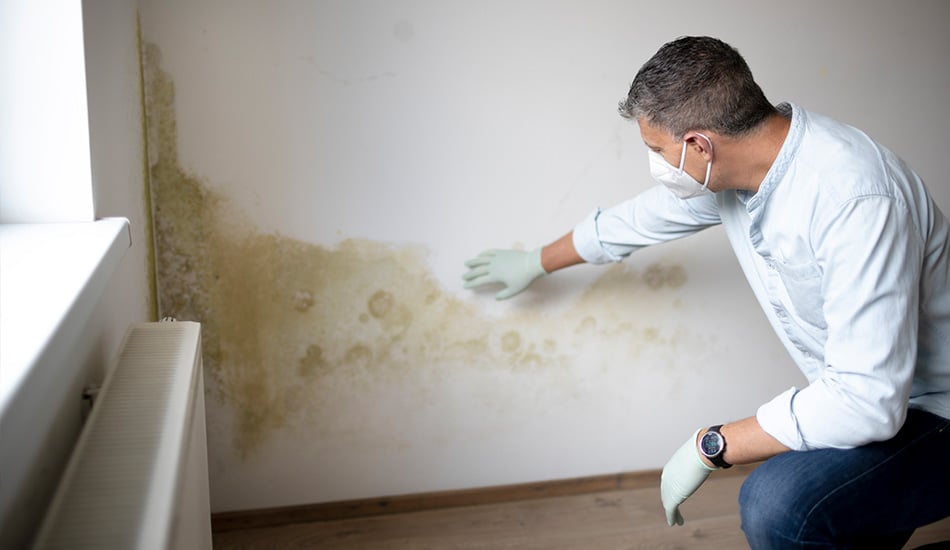
Mold testing is a diagnostic process used to determine whether mold is present, where it may be located, and how extensive the issue is. It is not the same as mold removal or remediation. Instead, testing provides clarity and direction.
In Lauderdale-by-the-Sea homes, mold testing is often used when there are warning signs such as odors, past water intrusion, or concerns about hidden moisture. Testing can also help confirm whether previous mold removal was effective.
The purpose of mold testing is to understand conditions inside the home so that any next steps are based on accurate information rather than assumptions.
Why Coastal Homes in Lauderdale-by-the-Sea Are High Risk
Coastal homes experience different conditions than inland properties. Constant exposure to humid ocean air means indoor humidity levels can remain elevated even when it has not rained.
Wind-driven rain during storms can force moisture into roof lines, windows, and wall assemblies. Salt air can also accelerate corrosion and deterioration of building materials, allowing moisture to penetrate more easily.
Many homes in Lauderdale-by-the-Sea rely heavily on air conditioning to stay comfortable. When AC systems run continuously, condensation forms. If drain lines clog or ducts are poorly insulated, moisture can accumulate inside ceilings, walls, and HVAC systems.
Older coastal homes may have original windows, roofing materials, or plumbing systems that allow moisture intrusion. Newer homes can still trap humidity due to tight construction and limited natural airflow.
Situations Where Mold Testing Is Commonly Needed
Mold testing is often recommended after water-related events. Even small leaks or brief flooding can leave behind moisture that supports mold growth.
Persistent musty odors with no visible source are another common reason homeowners request testing. These smells often become stronger when the AC system runs, pointing to hidden mold or duct-related issues.
Mold testing is also useful during real estate transactions, renovations, or when purchasing older coastal properties. It provides insight into conditions behind walls and under flooring that are not visible during a standard walkthrough.
In some cases, homeowners request testing simply for peace of mind, especially if the home has a history of moisture problems.
Areas Commonly Tested in Coastal Homes
Mold testing in Lauderdale-by-the-Sea focuses on areas most affected by moisture. Wall cavities near windows and exterior walls are common testing locations due to wind-driven rain exposure.
Attics are frequently inspected and tested, especially after storms. Mold can grow on roof decking and insulation without affecting living areas until it spreads.
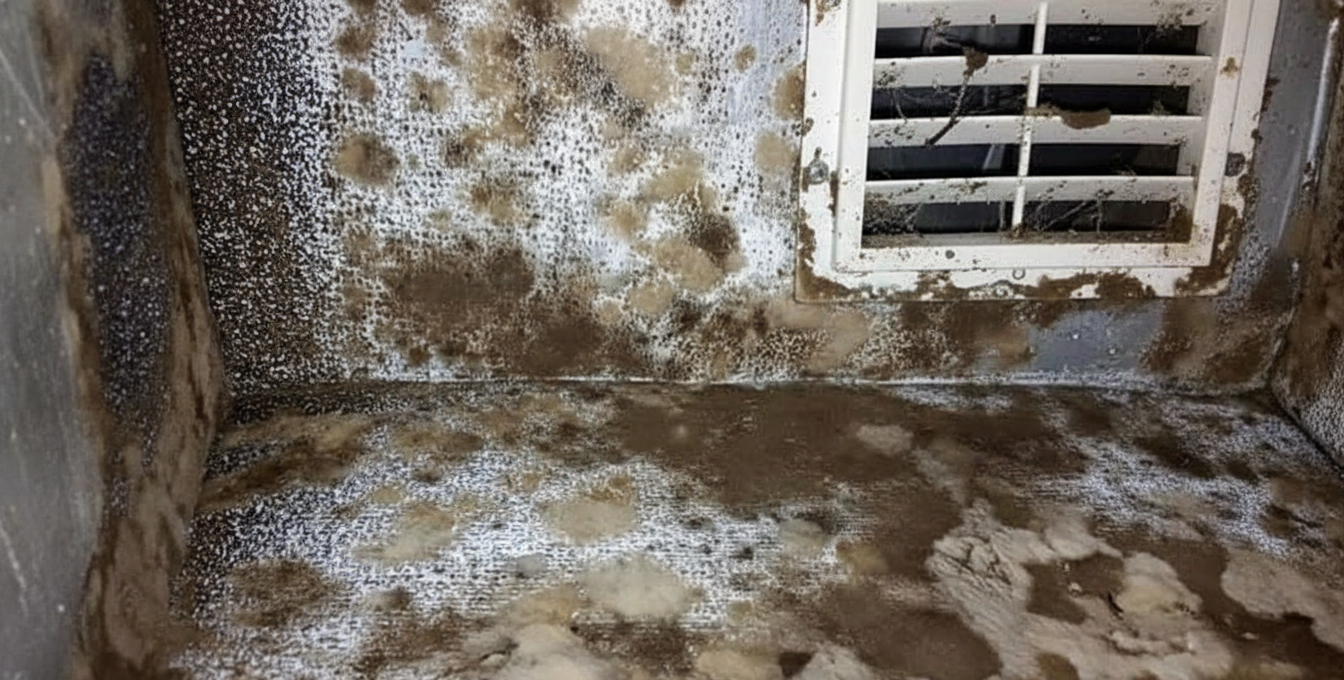
HVAC systems are another priority. Air handlers, return plenums, and ductwork can harbor mold when condensation is present. Testing helps determine whether mold is contributing to indoor air issues.
Bathrooms, kitchens, laundry areas, and rooms near plumbing lines are also commonly tested due to their higher moisture levels.
How the Mold Testing Process Works
The process begins with a visual inspection and moisture assessment. Moisture detection tools are used to identify damp areas inside walls, ceilings, floors, and HVAC components.
When testing is appropriate, samples may be collected from the air or from specific surfaces. These samples help determine whether mold is present and whether it is actively growing.
In coastal homes, testing is often targeted rather than random. Focusing on high-risk areas provides more meaningful results and helps guide next steps.
Pompano Mold Inspection and Testing performs mold testing throughout Lauderdale-by-the-Sea and surrounding Broward County communities with an emphasis on accuracy and practical interpretation.
Understanding Mold Testing Results
Mold test results are used to understand the overall picture, not just isolated readings. Results help identify whether mold levels are typical for a coastal environment or elevated due to an indoor source.
Testing can also help determine whether mold is likely coming from inside the home or entering from outdoor coastal air. This distinction is important when planning remediation or moisture control strategies.
Results are most useful when combined with inspection findings and moisture data rather than viewed on their own.
Why Mold Testing Alone Is Not a Solution
Mold testing does not remove mold or fix moisture problems. It is a starting point that informs decisions.
If testing identifies mold growth, the next step is determining why it developed. Without addressing the moisture source, mold will continue to grow even after cleaning or treatment.
Testing is most effective when it leads to corrective action, such as mold remediation, water damage repair, or improvements to ventilation and humidity control.
Mold Testing and Water Damage Concerns
Coastal storms, plumbing leaks, and minor flooding are common in Lauderdale-by-the-Sea. Water damage that is not fully dried can lead to mold growth weeks or months later.
Mold testing helps determine whether hidden moisture from past water damage has resulted in mold development. This is especially important in homes with tile flooring or slab foundations where moisture can remain trapped.
Early testing after water intrusion can prevent more extensive mold remediation later.
HVAC Systems, Air Ducts, and Mold Testing
Air conditioning systems play a major role in indoor moisture control. In coastal homes, condensation inside air handlers and ducts is a frequent issue.
Mold testing may include evaluating HVAC components to determine whether mold is present inside the system. If mold is identified, duct cleaning or system adjustments may be necessary.
Correcting AC-related moisture issues is essential to preventing future mold problems in coastal environments.
Preventing Mold in Lauderdale-by-the-Sea Homes
Prevention starts with moisture awareness. Maintaining balanced indoor humidity is critical in coastal homes.
Regular AC maintenance helps prevent condensation buildup and drainage problems. Sealing windows, doors, and exterior penetrations reduces wind-driven moisture intrusion.
After storms or leaks, prompt drying and inspection can stop mold before it becomes established. Periodic professional inspections and testing are especially helpful for homes near the ocean.
Why Local Coastal Experience Matters
Mold testing in coastal homes requires an understanding of how ocean air, storms, and construction methods interact. Lauderdale-by-the-Sea properties face different challenges than inland homes.
Professionals with local experience know where moisture tends to enter coastal structures and how mold behaves in these environments. This knowledge leads to more accurate testing and practical recommendations.
Pompano Mold Inspection and Testing brings this local coastal understanding to Lauderdale-by-the-Sea, Fort Lauderdale, Lighthouse Point, Deerfield Beach, and surrounding Broward County areas.
A Practical Next Step for Coastal Homeowners
If you suspect mold or want clarity about indoor conditions in your coastal home, mold testing provides valuable insight. It helps identify hidden issues, guides next steps, and supports informed decisions about your property.
Taking a proactive, informed approach is one of the most effective ways to protect Lauderdale-by-the-Sea homes from ongoing moisture and mold challenges.