
North Lauderdale Water Removal in Rental Properties: What Property Owners Should Know
Water issues are one of the most common and costly problems facing rental properties in North Lauderdale. Between heavy seasonal rain, constant AC use, aging plumbing, and high tenant turnover, water intrusion can develop quickly and quietly. For property owners and landlords, understanding how water removal works—and why speed and accuracy matter—helps protect both the structure and long-term rental value.
This guide explains how water problems typically occur in North Lauderdale rental properties, what signs to watch for, and how professional water removal fits into responsible property management.
Understanding Water Intrusion in Rental Properties
Water intrusion refers to unwanted water entering a unit through leaks, overflows, or storm-related events. In rental properties, these issues are often discovered late. Tenants may not notice slow leaks, may delay reporting them, or may not understand the seriousness of early signs.
Even small amounts of water can spread under flooring, into drywall, and behind cabinets. Once moisture is trapped, damage continues even if the surface appears dry. Proper water removal focuses on eliminating both visible and hidden moisture.
Why Water Problems Are Common in North Lauderdale Rentals
North Lauderdale properties share environmental challenges seen across Broward County, including Margate, Coconut Creek, and Fort Lauderdale. High humidity slows natural drying and allows moisture to linger inside buildings. Seasonal storms bring heavy rain that can overwhelm roofs, windows, and drainage systems.
Many rental properties were built decades ago and rely on older plumbing systems more prone to leaks. Slab foundations allow moisture to migrate upward into flooring materials. AC systems run most of the year, and clogged condensate lines are a frequent source of water damage in rental units.
Common Water Issues in Rental Units
Property owners in North Lauderdale frequently encounter water problems such as:
AC drain line backups
Overflowing drain pans
Plumbing leaks under sinks or behind walls
Roof leaks after storms
Bathroom overflows
Water intrusion through windows or doors
Flooding in ground-floor units
Each of these issues requires proper assessment to prevent repeat damage.
Signs Tenants and Owners Often Notice
Some water issues are obvious, while others develop quietly. Common warning signs include:
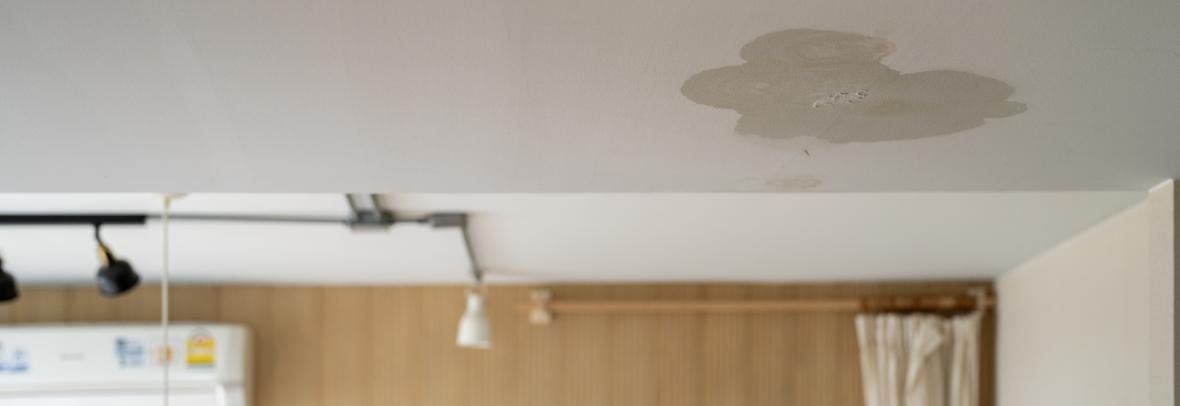
Water stains on ceilings or walls
Warped or buckling floors
Persistent musty odors
Damp carpet or padding
Peeling paint or bubbling drywall
High indoor humidity
AC units leaking or dripping
These signs indicate moisture is present and should be addressed promptly.
Hidden Water Damage in Rental Properties
Hidden water damage is especially common in rental units. Moisture often collects inside wall cavities, beneath flooring, behind appliances, and above ceilings. These areas are rarely inspected during routine walkthroughs.
When water remains hidden, it continues to damage materials and increases the likelihood of mold growth. Professional water removal includes moisture detection to identify these concealed problem areas.
Why DIY Water Removal Is Risky for Rentals
Some property owners attempt to handle water issues themselves using fans or basic extraction equipment. While this may remove surface water, it does not address moisture trapped inside building materials.
In rental properties, incomplete drying often leads to recurring tenant complaints, ongoing repairs, and disputes over responsibility. Without professional moisture detection and controlled drying, water problems tend to resurface.
How Professional Water Removal Works
Professional water removal begins with identifying the water source and the full extent of the damage. Moisture meters and detection tools locate water inside walls, floors, and ceilings.
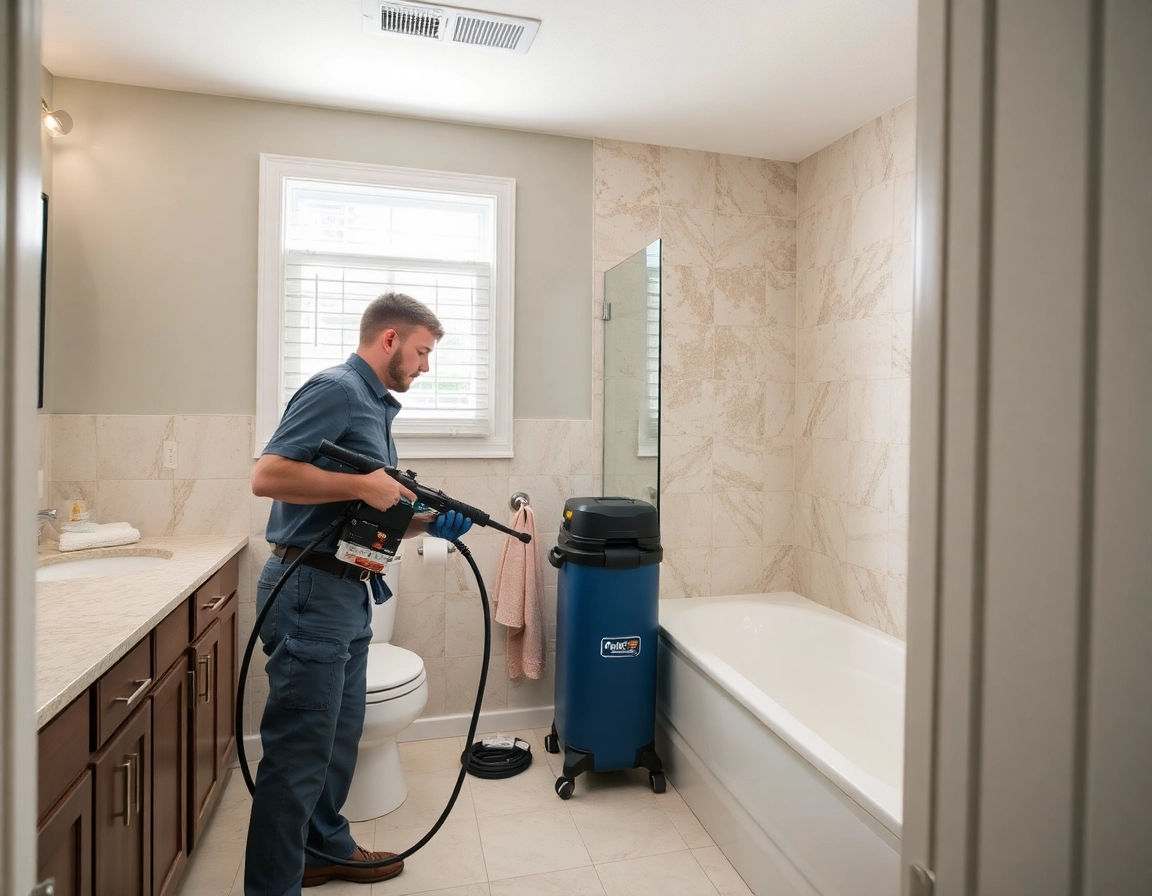
High-powered extraction equipment removes standing water efficiently. Commercial-grade drying and dehumidification systems then control airflow and humidity to pull moisture out of affected materials. The process continues until moisture levels return to normal.
Companies like Pompano Mold Inspection and Testing regularly perform water removal in North Lauderdale rental properties using these methods.
Flood Restoration and Water Damage Repair
When water intrusion is extensive, flood restoration may be necessary. This process involves removing materials that cannot be dried, such as soaked drywall, insulation, or carpet padding.
Flood restoration may also include cleaning and sanitizing affected areas, addressing odor-causing contaminants, and repairing damaged building components. Proper restoration ensures the unit is safe and ready for occupancy.
Water Damage and Mold Risk in Rentals
In North Lauderdale’s humid climate, mold can begin developing within 24 to 48 hours after water exposure. Rental properties are particularly vulnerable because moisture may remain unnoticed for extended periods.
Effective water removal is the first step in mold prevention. If water issues are not handled correctly, mold inspection and remediation may become necessary, increasing costs and downtime between tenants.
AC Systems and Water Problems in Rental Units
AC-related water damage is one of the most common issues in rental properties. Clogged condensate lines, cracked drain pans, and frozen coils can release water into ceilings and walls.
Because AC systems run continuously, these leaks can cause significant damage before they are noticed. Proper water removal includes addressing AC-related moisture sources to prevent repeat incidents.
Water Removal During Tenant Turnover
Tenant turnover is an ideal time to address water issues. Vacant units allow for full inspection and drying without disruption. Water removal and moisture detection during this period help ensure the unit is in good condition before new tenants move in.
This proactive approach reduces future complaints and supports consistent property maintenance standards.
Preventing Future Water Issues in Rental Properties
While not all water problems can be avoided, property owners can reduce risk through regular maintenance.
Schedule routine AC servicing
Keep condensate drain lines clear
Inspect roofs and flashing annually
Address leaks immediately
Monitor indoor humidity
Inspect units after storms
Respond quickly to tenant reports
Consistency is especially important in North Lauderdale’s climate.
Why Local Experience Matters
Water removal in North Lauderdale requires understanding local building styles, humidity patterns, and common moisture sources. Professionals familiar with Broward County rental properties know where water typically hides and how to remove it effectively.
Pompano Mold Inspection and Testing brings that local experience to water removal, moisture detection, and restoration services across North Lauderdale and surrounding communities.
A Practical Approach for Property Owners
For rental property owners, water removal is not just an emergency response—it is a key part of protecting the property. Acting early helps prevent structural damage, mold growth, and extended vacancies.
Understanding how water behaves in North Lauderdale rentals allows property owners to make informed decisions, maintain property value, and reduce long-term maintenance costs.