

Pompano Beach Indoor Air Quality Improvement after Storm Damage: Inspection and Repair Guide
Storm damage in Pompano Beach does not end when the rain stops. Long after visible debris is cleared, indoor air quality can quietly decline due to moisture left behind inside walls, ceilings, ductwork, and HVAC systems. In South Florida’s humid climate, storm-related moisture rarely dries on its own. Indoor air quality improvement after storm damage focuses on identifying hidden moisture, correcting ventilation and AC-related issues, and restoring healthy airflow throughout the home.
For Pompano Beach homeowners, improving indoor air quality after storms is not a cosmetic upgrade. It is a necessary part of post-storm recovery that helps prevent lingering odors, moisture problems, and long-term damage.
Why Storm Damage Affects Indoor Air Quality in Pompano Beach
Pompano Beach homes are especially vulnerable to indoor air quality issues after storms due to coastal humidity, heavy rainfall, and year-round air conditioning use. Wind-driven rain can force moisture into attics, wall cavities, and around windows or roof edges without causing immediate flooding.
Power outages during storms often shut down AC systems, allowing humidity to rise quickly indoors. Once power returns, systems may restart while moisture is still trapped in building materials, duct insulation, or air handlers.
Nearby communities such as Lighthouse Point, Deerfield Beach, Margate, and Fort Lauderdale experience similar conditions, but coastal exposure and flat terrain often make moisture control more challenging in Pompano Beach homes.
What Indoor Air Quality Problems Look Like after Storms
Indoor air quality issues after storm damage often begin subtly. Homeowners may notice a musty or damp odor that lingers even after cleaning. Air may feel heavy or stale, especially in rooms with limited airflow.
Increased indoor humidity, condensation on vents or windows, and uneven cooling are also common indicators. Some rooms may feel uncomfortable despite normal thermostat settings.
These symptoms suggest that moisture and airflow problems are affecting indoor conditions and require inspection rather than surface-level fixes.
Hidden Moisture and Its Impact on Air Quality
Hidden moisture is one of the biggest threats to indoor air quality after storms. Water can remain trapped behind drywall, above ceilings, under flooring, and inside duct insulation long after surfaces appear dry.
This trapped moisture slowly releases humidity back into the air, contributing to ongoing dampness and odors. Over time, materials affected by moisture deteriorate and continue to influence indoor conditions.
Without moisture detection, these hidden problems often go unnoticed until air quality worsens significantly.
Why Inspection Is the First Step
Improving indoor air quality after storm damage always begins with inspection. The goal is to identify where moisture entered the home and how far it spread.
Inspection includes checking attics, walls, ceilings, HVAC components, and duct systems. Moisture detection tools help locate damp materials inside building assemblies without unnecessary demolition.
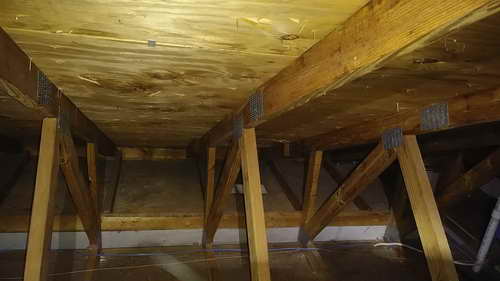
In Pompano Beach homes, inspections often focus on roof penetrations, attic spaces, slab edges, exterior walls, and AC systems that may have been affected during the storm.
Moisture Detection and Indoor Air Quality
Moisture detection plays a central role in indoor air quality improvement. Moisture meters measure water content inside walls, floors, and ceilings, while thermal imaging helps identify temperature differences associated with damp areas.
These tools reveal moisture that visual inspection alone cannot detect. Identifying and drying these areas prevents ongoing humidity release that degrades indoor air quality.
Early moisture detection allows targeted repairs and drying before problems spread further.
How Storm Damage Affects HVAC and Duct Systems
HVAC systems are closely tied to indoor air quality, especially after storms. Moisture can enter air handlers, ductwork, and insulation through condensation, roof leaks, or attic exposure.
When ducts become damp, dust and debris adhere to interior surfaces instead of moving through the system. This restricts airflow and allows moisture-related odors to circulate throughout the home.
Storm-related AC condensation issues, such as clogged drain lines or damaged insulation, further increase indoor humidity and reduce system efficiency.
Role of Air Duct Inspection and Cleaning
Air duct inspection is often necessary after storm damage. Ducts located in attics are particularly vulnerable to moisture exposure.
If inspection reveals moisture or debris buildup, air duct cleaning may be recommended as part of indoor air quality improvement. Cleaning removes moisture-laden dust and supports better airflow.
Duct cleaning is most effective when combined with moisture control and repairs. Cleaning alone does not resolve underlying condensation or intrusion issues.
Repairing Storm-Related Moisture Problems
Once inspection identifies moisture sources, repairs focus on correcting those issues. This may include sealing roof penetrations, repairing exterior openings, addressing plumbing leaks, or improving attic ventilation.
AC-related repairs often involve clearing condensate drain lines, repairing drain pans, or improving duct insulation. These steps reduce ongoing moisture production inside the system.
Drying affected materials is critical before cosmetic repairs begin. Rebuilding over damp materials traps moisture and prolongs indoor air quality problems.
Connection Between Indoor Air Quality and Mold Risk
Moisture left behind after storms creates conditions where mold can develop. Mold often begins growing in hidden areas such as behind drywall, inside duct insulation, or above ceilings.
While mold may not be immediately visible, it often affects indoor air quality through persistent odors and discomfort. Improving indoor air quality after storm damage helps reduce mold risk by removing moisture and improving airflow.
When moisture exposure was prolonged, mold inspection and remediation may also be needed as part of the recovery process.
Controlled Drying and Humidity Management
Controlled drying is essential for restoring indoor air quality. Airflow, temperature, and humidity are carefully managed to dry materials without spreading moisture to other areas.
Dehumidification plays a key role in South Florida homes. Lowering indoor humidity supports drying and prevents moisture from reabsorbing into materials.
Monitoring moisture levels throughout the process ensures drying is complete before repairs are finalized.
Indoor Air Quality Improvement beyond Drying
Once moisture issues are resolved, additional steps help improve indoor air quality. These may include cleaning affected surfaces, addressing duct contamination, and ensuring HVAC systems are operating efficiently.
Replacing filters, restoring proper airflow, and confirming insulation integrity support cleaner air circulation. These steps help homes return to comfortable indoor conditions after storm recovery.
Indoor air quality improvement is most effective when it addresses both moisture and airflow together.
Preventing Future Indoor Air Quality Problems after Storms
Prevention starts with identifying vulnerabilities revealed during inspection. Sealing exterior openings, maintaining roofs, and improving drainage reduce future water intrusion.
Regular AC maintenance, including drain line cleaning and duct inspection, helps prevent condensation-related moisture. Monitoring indoor humidity provides early warning when moisture control is slipping.
After major storms, early inspection allows moisture problems to be addressed before indoor air quality declines.
Why Local Experience Matters
Indoor air quality improvement after storm damage in Pompano Beach requires local knowledge. Florida’s humidity, storm patterns, and residential construction styles all influence how moisture affects indoor conditions. Local experience helps identify high-risk areas and apply solutions suited to Broward County homes.
Pompano Mold Inspection and Testing brings that local expertise to indoor air quality improvement, moisture detection, air duct cleaning, mold inspection, and storm-related water damage services throughout Pompano Beach, Lighthouse Point, Deerfield Beach, Margate, Coconut Creek, North Lauderdale, Fort Lauderdale, and surrounding Broward County communities.
Restoring Healthy Indoor Air after Storms
Storm damage often leaves behind problems that are not immediately visible. Indoor air quality issues caused by hidden moisture can linger long after cleanup ends. With proper inspection, moisture detection, targeted repairs, and airflow correction, indoor air quality can be restored effectively. For Pompano Beach homeowners, addressing indoor air quality after storm damage is a practical step toward protecting comfort, building materials, and long-term home durability.
