Pompano Beach Mold Inspection After Heavy Rain: Risks and Prevention Methods
Heavy rain is a regular part of life in Pompano Beach, especially during the summer and hurricane season. While most homeowners focus on visible issues like roof leaks or standing water, many problems begin in less obvious places. Moisture can enter walls, ceilings, attics, and air systems long before visible mold appears. That’s why mold inspection after heavy rain is an important step in protecting both the structure of a home and indoor air quality.
Understanding the risks and prevention methods helps homeowners, landlords, and property managers address problems early and avoid costly repairs later.
What Mold Problems After Heavy Rain Really Are
Mold develops when moisture remains trapped in materials such as drywall, wood, insulation, or carpet. After heavy rain, moisture may enter a home through small roof leaks, window seals, or exterior walls. Even high humidity alone can create damp conditions indoors if ventilation is limited.
In Pompano Beach homes, mold after rain is often linked to:
- Roof leaks or flashing failures
- Water intrusion around windows and doors
- Damp attic insulation
- AC condensation combined with humidity
- Flooding or water pooling near foundations
- Poor ventilation in bathrooms or closets
Because mold can begin developing within a short time when materials stay damp, early inspection is essential.
Why Mold Problems Are Common in Pompano Beach After Storms
Pompano Beach and nearby communities such as Lighthouse Point, Deerfield Beach, Margate, Coconut Creek, North Lauderdale, Lauderdale-by-the-Sea, and Fort Lauderdale experience similar coastal weather patterns.
Several factors increase mold risk after heavy rain:
- High humidity levels that slow drying
- Frequent storms and prolonged rainfall
- Warm temperatures that accelerate mold growth
- Air conditioning systems running continuously
- Moisture trapped in attics and wall cavities
These conditions make it easier for hidden moisture to remain in building materials long after rain stops.
Early Signs Homeowners Should Not Ignore
Mold problems often begin with subtle warning signs. After heavy rain, homeowners may notice:
- Musty or earthy odors
- Water stains on ceilings or walls
- Peeling paint or bubbling drywall
- Damp carpet or flooring
- Increased indoor humidity
- Condensation on vents or windows
These signs indicate that moisture may still be present even if surfaces appear dry.
Hidden Areas Where Mold Often Develops
Mold frequently grows in areas that are not visible during daily living. Inspections in Pompano Beach homes often reveal moisture or mold in:
- Attics with damp insulation
- Behind drywall near rooflines
- Under sinks with slow leaks
- Inside air handler closets
- Ductwork in humid attic spaces
- Closet ceilings and storage areas
Because these spaces are rarely inspected, problems may develop for weeks before being discovered.
Why Mold Inspection After Heavy Rain Is Important
A professional mold inspection helps determine:
- Whether moisture is present in building materials
- Where water intrusion occurred
- Whether mold growth has begun
- What areas require drying or repair
Inspection provides clear information so property owners can take the right steps rather than guessing.
Professional Mold Inspection and Testing Explained
A structured mold inspection usually follows a systematic process.
Initial Consultation
The inspector begins by discussing recent storms, leaks, or flooding. Understanding when and where water entered helps guide the inspection.
Visual Inspection
High-risk areas such as attics, ceilings, kitchens, bathrooms, and HVAC systems are examined for staining, warping, or condensation.
Moisture Detection
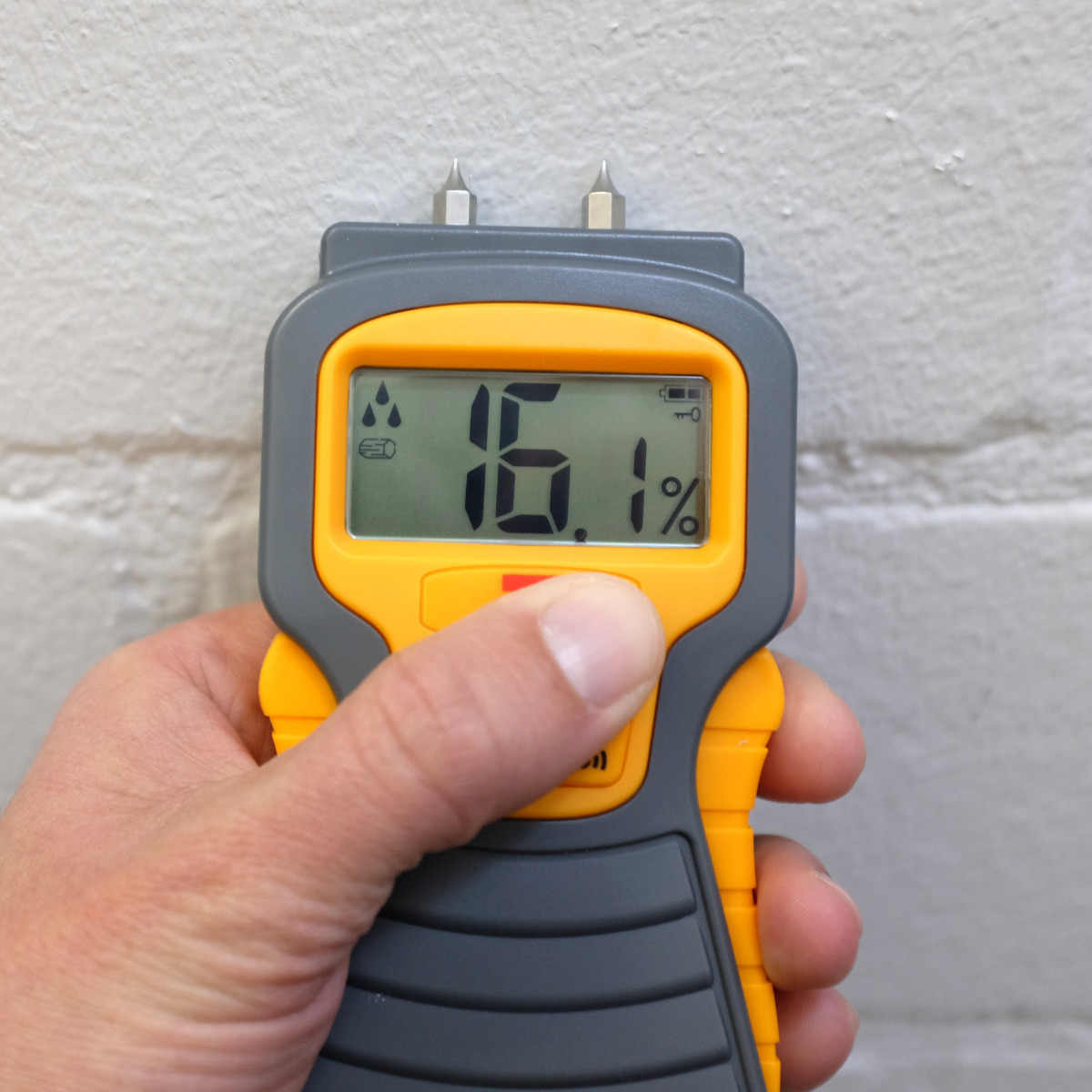
Moisture meters and thermal imaging equipment help locate hidden dampness behind walls and ceilings. This step often reveals moisture that is not visible.
Humidity Measurement
Indoor humidity levels are measured to determine whether conditions are contributing to mold growth.
Mold Testing When Necessary
Air or surface sampling may be recommended when mold is suspected but not visible, or when documentation is needed for property records.
Pompano Mold Inspection and Testing performs detailed inspections throughout Pompano Beach and surrounding Broward County communities, helping homeowners identify moisture problems early and prevent further damage.
Risks of Ignoring Mold After Heavy Rain
When moisture problems are not addressed, several long-term risks can develop:
- Mold spreading to additional areas
- Damage to drywall and wood framing
- Persistent indoor odors
- Reduced indoor air quality
- Increased repair costs over time
Because mold often grows behind surfaces, the damage may become extensive before it becomes visible.
Proper Mold Removal and Remediation
If mold is confirmed, remediation focuses on removing affected materials and correcting moisture sources.
A proper remediation process may include:
- Isolating affected areas
- Removing contaminated drywall or insulation
- Cleaning structural surfaces
- Using air filtration equipment
- Confirming dryness before repairs
Correcting the source of moisture is essential to prevent mold from returning.
Flood Restoration and Water Damage Repair
Heavy rain sometimes causes water intrusion that requires drying and restoration. Water damage repair may involve:
- Water extraction
- Structural drying
- Moisture monitoring
- Repairing damaged materials after drying
Prompt drying significantly reduces the risk of mold growth.
Air Ducts, AC Systems, and Mold Risks
HVAC systems can contribute to mold problems if moisture enters ducts or air handlers after storms. Common issues include:
- Condensation buildup in ducts
- Dirty coils and drip pans
- Duct leaks pulling humid attic air
Air duct cleaning and system inspections may be recommended when moisture or dust buildup is present.
Prevention Methods After Heavy Rain
Preventive maintenance helps reduce the likelihood of mold problems in Pompano Beach homes.
Helpful steps include:
- Inspect roofs and attics after storms
- Repair leaks promptly
- Keep gutters and drainage systems clear
- Service air conditioning systems regularly
- Use exhaust fans in bathrooms and kitchens
- Monitor indoor humidity levels
- Dry wet areas immediately
Routine inspections help identify small issues before they become serious problems.
Why Local Experience Matters
Homes in Pompano Beach face environmental conditions that differ from many other regions. Coastal humidity, heavy rain, and long cooling seasons all influence how moisture behaves inside buildings. Professionals familiar with Broward County construction styles understand common moisture pathways and can identify problems more efficiently.
Local experience helps ensure that recommendations address the root cause rather than temporary symptoms.
Calm, Trust-Based Call to Action
If your home has experienced heavy rain and you notice musty odors, staining, or increased humidity, a mold inspection can provide clear answers. Early detection helps prevent structural damage and protects indoor air quality.
Pompano Mold Inspection and Testing works with homeowners and property managers throughout Pompano Beach to locate hidden moisture, evaluate indoor conditions, and recommend practical steps to maintain a dry, comfortable home.