Property Owner Guide to Flood Restoration in Lauderdale-by-the-Sea
Flooding is a serious concern for property owners in Lauderdale-by-the-Sea. Coastal storms, heavy rainfall, plumbing failures, and drainage issues can all lead to water entering homes and buildings. Even minor flooding can cause hidden moisture damage that affects flooring, drywall, insulation, and structural materials. Flood restoration is the process of removing water, drying affected areas, and repairing damage so a property can return to safe and comfortable conditions. Understanding how flood restoration works helps property owners act quickly and reduce long-term repair costs.
How Flooding Affects Homes and Buildings
When flooding occurs, water spreads quickly across floors and into surrounding materials. Carpets, drywall, baseboards, and insulation absorb moisture, and water may also seep beneath flooring or into wall cavities.
Flooding can lead to:
- Saturated flooring and carpet padding
- Damaged drywall and insulation
- Warping of wood materials
- Electrical and HVAC concerns
- Conditions that allow mold to develop
Because humidity in Lauderdale-by-the-Sea remains high, wet materials often take longer to dry naturally.
Why Properties in Lauderdale-by-the-Sea Are Vulnerable
Several local conditions increase the likelihood of flooding and moisture damage:
- Coastal storms and tropical systems
- Heavy seasonal rainfall
- High groundwater levels in some areas
- Storm surge and drainage overflow
- Warm temperatures and high humidity
These factors make rapid drying and restoration especially important after flooding.
Early Signs of Flood Damage You Should Not Ignore
Flood damage is sometimes obvious, but in other cases, moisture remains hidden after standing water is removed. Property owners should watch for:
- Musty or damp odors
- Warped or buckling flooring
- Water stains on walls or ceilings
- Peeling paint or bubbling drywall
- Persistent indoor humidity
These signs often indicate moisture that requires professional drying.
Hidden Areas Where Flood Damage Often Develops
Floodwater frequently spreads beyond visible areas. Inspectors in Lauderdale-by-the-Sea often find moisture in:
- Subfloors beneath tile or carpet
- Wall cavities and insulation
- Baseboards and lower drywall
- Air ducts located near flooring
- Storage areas or closets
Because these areas are concealed, moisture can remain long after surfaces appear dry.
Why Flood Restoration Matters
Flood restoration is essential for protecting a property’s structure and indoor environment. Proper restoration helps:
- Prevent mold growth
- Protect framing and drywall
- Reduce odors and humidity
- Restore indoor air quality
- Prevent long-term structural damage
Acting quickly after flooding significantly reduces the extent of repairs needed.
Why DIY Cleanup Is Often Not Enough
Some property owners attempt to dry flooded areas using fans or household equipment. While this may remove surface moisture, deeper materials often remain damp.
DIY efforts may fall short because:
- Moisture inside walls and subfloors is not detected
- Drying equipment may not be powerful enough
- Humidity slows evaporation
- Moisture levels are not monitored
Professional restoration ensures thorough drying and prevents hidden damage.
Understanding the Flood Restoration Process
Flood restoration typically follows a structured process to ensure effective results.
Step 1: Inspection and Damage Assessment
Technicians evaluate the extent of water intrusion and identify affected materials.
Step 2: Water Removal
Pumps and extraction equipment remove standing water from floors and carpets.
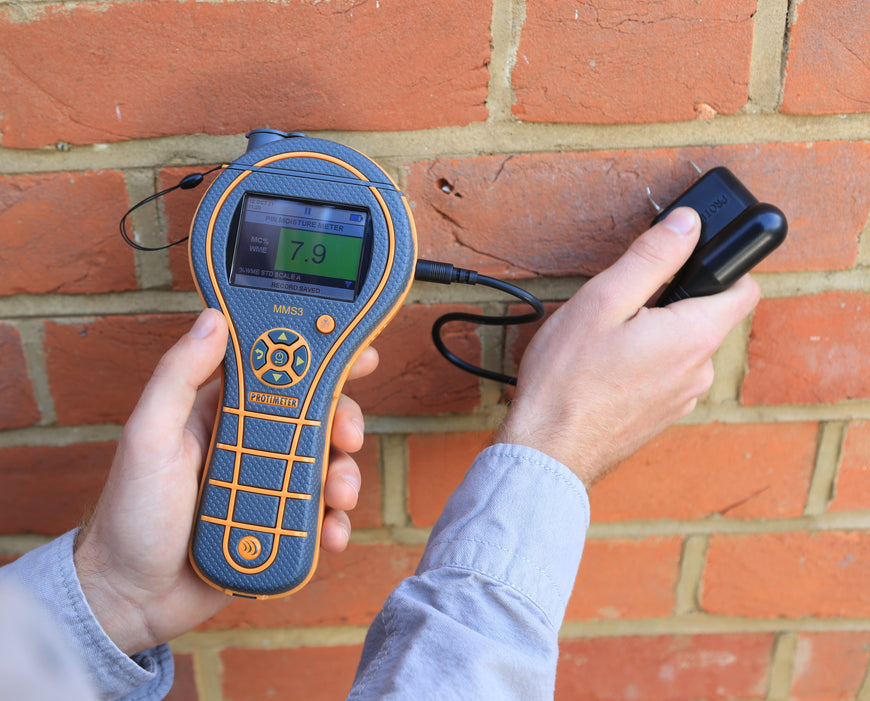
Step 3: Moisture Detection
Moisture meters locate damp areas inside walls, flooring, and structural materials.
Step 4: Structural Drying
Air movers and dehumidifiers dry affected materials and reduce humidity.
Step 5: Cleaning and Repairs
Damaged drywall, insulation, or flooring may be repaired or replaced as needed.
Pompano Mold Inspection and Testing often evaluates flood-related moisture conditions in Lauderdale-by-the-Sea and nearby Broward County communities, helping property owners determine the most effective restoration steps.
Mold Risks After Flooding
Floodwater creates ideal conditions for mold growth if drying is delayed. Mold may develop in:
- Carpet padding
- Drywall and insulation
- Wood framing
- Air ducts and HVAC components
If mold is detected, remediation may include removing contaminated materials, cleaning surfaces, and thoroughly drying affected areas.
HVAC Systems and Flood Damage
Flooding can also affect HVAC systems, especially if water reaches ducts or air handler units. Moisture in duct insulation or mechanical components can lead to:
- Musty odors
- Reduced airflow
- Increased humidity
- Contamination inside ducts
Inspection and cleaning may be necessary to restore proper operation.
Practical Prevention Tips That Help Reduce Flood Damage
Property owners in Lauderdale-by-the-Sea can take steps to reduce flood risks and minimize damage.
Maintain Gutters and Drainage Systems
Proper drainage helps prevent water accumulation near foundations.
Inspect Roofs and Exterior Seals
Repairing small issues helps prevent water intrusion during storms.
Monitor Plumbing Systems
Regular inspections help detect leaks early.
Elevate Vulnerable Items
Raising storage items reduces damage during minor flooding.
Schedule Inspections After Storms
Checking floors, walls, and attics helps detect moisture early.
These steps significantly reduce the likelihood of severe damage.
Why Routine Inspections Matter
Periodic inspections help identify moisture problems before they lead to major restoration work. Routine inspections are especially helpful:
- After heavy rain or storms
- When musty odors appear
- During humid summer months
- After plumbing or roof repairs
Early detection helps reduce restoration costs and prevents mold growth.
Why Local Experience Matters
Flood restoration in coastal South Florida requires an understanding of local climate and building conditions. Professionals familiar with Lauderdale-by-the-Sea understand:
- How coastal humidity affects drying times
- Typical construction methods in Broward County homes
- Common moisture patterns after storms
This local knowledge helps restoration efforts be more effective.
A Practical Next Step for Property Owners
Flooding can cause serious damage, but prompt restoration helps prevent long-term problems. Removing water quickly, drying materials thoroughly, and addressing moisture sources are essential steps in protecting a property.
With timely inspections, professional drying, and regular maintenance, property owners in Lauderdale-by-the-Sea can keep their homes and buildings dry, safe, and well protected after flooding.