Property Owner Guide to Mold Inspection and Testing in Lauderdale-by-the-Sea
Living in Lauderdale-by-the-Sea offers coastal views, warm weather, and a relaxed lifestyle, but it also comes with environmental conditions that make mold growth more likely. High humidity, ocean air, seasonal storms, and frequent rain all contribute to moisture buildup inside homes and buildings.
For property owners, understanding how mold inspection and testing work is one of the most effective ways to prevent structural damage, indoor air quality problems, and costly repairs. A proper inspection helps identify issues early, often before mold becomes visible.
What Mold Inspection and Testing Really Involve
Mold inspection is a detailed evaluation of a property to identify moisture problems, conditions that support mold growth, and any visible or hidden contamination. Testing may be used to confirm whether mold spores are present and to help determine the extent of the issue.
A thorough inspection typically includes:
- Visual examination of walls, ceilings, and flooring
- Checking HVAC systems and ductwork
- Measuring moisture levels in building materials
- Inspecting attics, crawl spaces, and utility areas
- Identifying past or active water intrusion
Testing is not always necessary, but it can provide useful information when mold is suspected but not visible.
Why Mold Issues Are Common in Lauderdale-by-the-Sea
Coastal communities face unique challenges that increase the likelihood of mold growth.
High humidity levels
Ocean air carries moisture that can easily enter homes, especially when doors, windows, or ducts are not well sealed.
Frequent storms and wind-driven rain
Storms can introduce water into attics, roof systems, and wall cavities, often without obvious signs at first.
Air conditioning systems running constantly
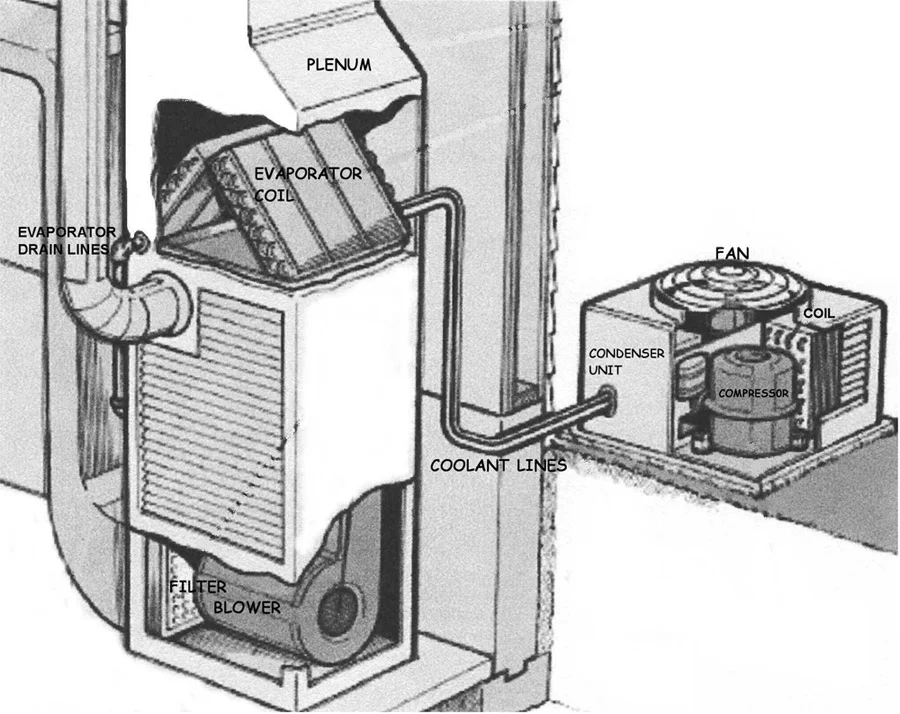
Condensation from AC systems is a common moisture source, especially when drain lines are partially clogged.
Salt air and corrosion
Coastal air can accelerate wear on HVAC equipment, leading to drainage or airflow issues that contribute to moisture buildup.
These conditions affect not only Lauderdale-by-the-Sea but also nearby areas like Pompano Beach, Deerfield Beach, and Fort Lauderdale.
Common Signs Property Owners Notice
Mold problems often begin with subtle warning signs. Property owners frequently report:
- Musty or damp odors indoors
- Dark spots near vents, ceilings, or baseboards
- Peeling paint or bubbling drywall
- Humid indoor air even when the AC is running
- Condensation around vents or windows
- Increased dust or allergy irritation indoors
These signs may appear weeks before visible mold growth becomes obvious.
Hidden or Overlooked Sources of Mold
Some of the most serious mold issues develop in areas that are not regularly inspected.
Hidden sources often include:
- Inside air ducts
- Behind drywall after small leaks
- Beneath flooring after minor flooding
- Inside attic insulation
- Around air handler units
Moisture detection tools and thermal imaging are often necessary to locate these hidden problem areas accurately.
Why DIY Mold Removal Usually Fails
It is common for property owners to attempt cleaning mold themselves using household cleaners or bleach. While this may remove surface staining, it rarely resolves the underlying issue.
DIY removal often fails because:
- The moisture source is not identified
- Mold inside walls or ducts is missed
- Cleaning does not remove airborne spores
- Damaged materials are not properly removed
Without addressing moisture, mold can return quickly.
Professional Mold Inspection and Testing Explained
A professional inspection goes beyond surface-level observation. The goal is to determine where moisture is present, how long it has been there, and whether mold growth is active.
A typical inspection may include:
- Detailed visual assessment of the property
- Moisture meter readings in walls and ceilings
- Thermal imaging to locate hidden damp areas
- Air or surface sampling when appropriate
- Evaluation of HVAC and duct systems
Professionals familiar with coastal Broward County homes understand how humidity and storm conditions influence mold growth patterns.
Companies such as Pompano Mold Inspection and Testing often identify moisture problems in early stages, helping property owners address issues before significant damage occurs.
Proper Mold Removal and Remediation Process
If mold is discovered, remediation may be required to restore safe conditions and prevent recurrence.
A proper remediation process generally includes:
- Identifying and correcting the moisture source
- Containing affected areas if necessary
- Removing contaminated materials when required
- Cleaning and treating surfaces
- Thorough drying and follow-up verification
Drying is one of the most important steps, as mold cannot continue growing without moisture.
Flood Restoration and Water Damage Repair
In coastal areas, mold problems often begin after storms or minor flooding. Even small amounts of water can create conditions for mold growth if materials are not dried quickly.
Flood restoration may involve:
- Water extraction
- Structural drying
- Cleaning and sanitizing surfaces
- Repairing damaged drywall or insulation
- Rechecking moisture levels
Prompt restoration significantly reduces the risk of mold.
Air Ducts, AC Systems, and Mold Growth
HVAC systems play a major role in indoor air quality. When ducts or air handlers become damp, contaminants can circulate throughout the home.
Common HVAC-related concerns include:
- Condensation inside ducts
- Dust buildup combined with moisture
- Clogged AC drain lines
- Poor airflow due to duct leaks
Air duct cleaning and AC moisture repair may be recommended when contamination or heavy debris buildup is present.
Homes in Coconut Creek and North Lauderdale often experience similar duct moisture issues, particularly in attic duct systems exposed to humid air.
How to Prevent Mold in Coastal Homes
Preventing mold requires managing moisture consistently. Property owners can reduce risk by:
- Repairing leaks promptly
- Maintaining HVAC systems regularly
- Keeping drain lines clear
- Monitoring indoor humidity levels
- Ensuring proper attic ventilation
- Scheduling periodic inspections
Routine maintenance helps prevent small issues from becoming larger problems.
Why Local Experience Matters
Mold inspection in coastal South Florida requires an understanding of local construction styles, weather patterns, and environmental conditions.
Professionals with experience in Lauderdale-by-the-Sea, Lighthouse Point, Margate, and surrounding Broward County communities understand:
- Where moisture commonly accumulates
- How storms affect indoor environments
- How to detect hidden mold effectively
- The importance of proper drying in humid climates
Local knowledge allows inspections to be more accurate and efficient.
A Practical Next Step for Property Owners
Mold problems rarely resolve without intervention. If musty odors, moisture issues, or unexplained indoor air concerns appear, an inspection can help identify the cause.
A professional evaluation can locate hidden moisture, assess HVAC systems, and recommend practical steps to prevent further damage.
Property owners throughout Lauderdale-by-the-Sea and nearby communities often rely on experienced local companies such as Pompano Mold Inspection and Testing to perform inspections, testing, and moisture detection, helping ensure homes remain safe, dry, and comfortable.