

Property Owner Guide to Mold Inspection in Fort Lauderdale
For property owners in Fort Lauderdale, mold inspection is a critical part of protecting buildings in a humid, coastal environment. High moisture levels, frequent storms, aging infrastructure, and constant air conditioning use all increase the likelihood of hidden mold problems. In many cases, mold develops quietly long before visible signs appear, making inspection an essential preventive step rather than a reactive one.
Understanding how mold inspections work, when they are needed, and how to prevent mold-related issues helps Fort Lauderdale property owners avoid costly repairs and long-term damage.
Why Mold Is a Common Concern in Fort Lauderdale Properties
Fort Lauderdale’s climate creates ideal conditions for mold growth. Warm temperatures combined with high humidity allow moisture to linger inside building materials.
Seasonal storms and heavy rain increase the risk of roof leaks, window intrusion, and exterior wall moisture. Wind-driven rain can push water into areas that normally remain dry.
Air conditioning systems run most of the year. When drain lines clog, ducts sweat, or airflow is restricted, condensation forms inside walls and ceilings.
Many properties are built on slab foundations, which can trap moisture beneath flooring after leaks or flooding, creating hidden mold risk.
Because moisture evaporates slowly in this environment, small issues can escalate quickly.
What a Mold Inspection Is Designed to Do
A mold inspection is not just about finding visible mold. Its primary purpose is to identify moisture sources, high-risk areas, and conditions that support mold growth.
Inspections help determine whether mold is present, where it is likely to develop, and why conditions exist.
For property owners, inspections provide clarity and direction, allowing informed decisions instead of guesswork.
Mold inspections are especially valuable before repairs, renovations, tenant turnover, or property transactions.
Common Situations That Call for Mold Inspection
Property owners often schedule mold inspections after plumbing leaks, roof leaks, or flooding events.
Persistent musty or earthy odors are another common trigger, especially when no visible mold is present.
Rental properties benefit from inspections during vacancy periods, particularly if tenants reported humidity, odors, or water issues.
Older buildings with a history of moisture problems often require periodic inspections to monitor conditions.
Inspections are also common before buying or selling property to identify hidden issues early.
Warning Signs Property Owners Should Not Ignore
A musty smell that lingers even after cleaning is often the earliest sign of mold activity.
Discoloration on walls or ceilings, including gray, brown, or green staining, can indicate moisture behind surfaces.
Paint that bubbles, peels, or cracks without an obvious plumbing leak often points to hidden moisture.
Warped baseboards, soft drywall, or flooring that feels uneven suggest prolonged moisture exposure.
Rooms that feel damp or humid despite normal AC operation may indicate moisture trapped inside materials.
These signs do not confirm mold on their own, but they strongly justify inspection.
Where Mold Commonly Hides in Fort Lauderdale Buildings
Mold frequently develops in areas that are not easily visible. Wall cavities near plumbing lines are common problem areas due to slow leaks.
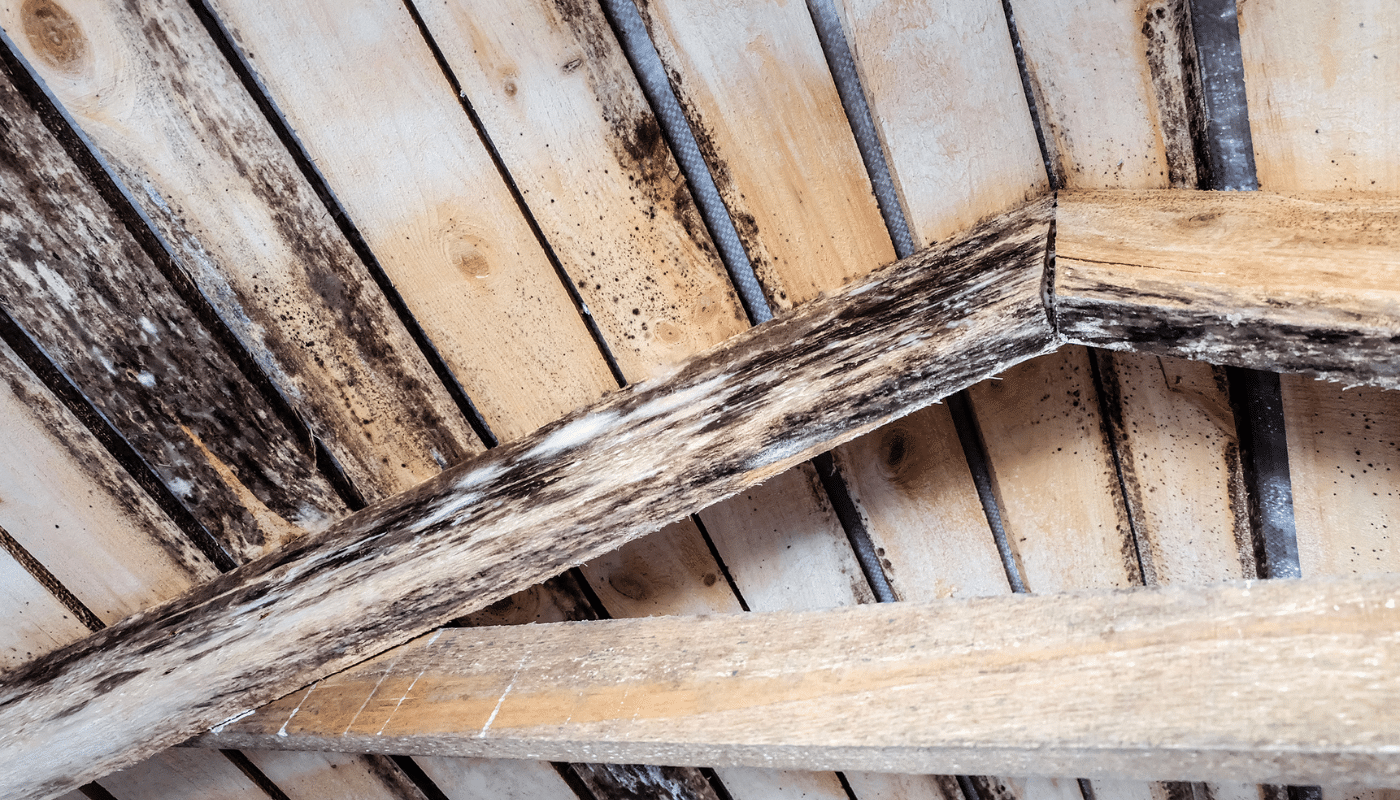
Attics are high-risk zones, especially after storms. Wet insulation and roof decking can support mold growth without immediate indoor signs.
Under flooring is another frequent location, particularly in slab-on-grade properties where moisture becomes trapped beneath tile, vinyl, or carpet.
HVAC systems are also common sources. Condensation inside air handlers, return plenums, or ductwork can harbor mold and spread spores throughout the building.
Bathrooms, laundry rooms, and storage areas with limited ventilation often experience repeated moisture buildup.
How Professional Mold Inspection Works
A professional mold inspection begins with a review of the property’s history, including past leaks, flooding, or humidity issues.
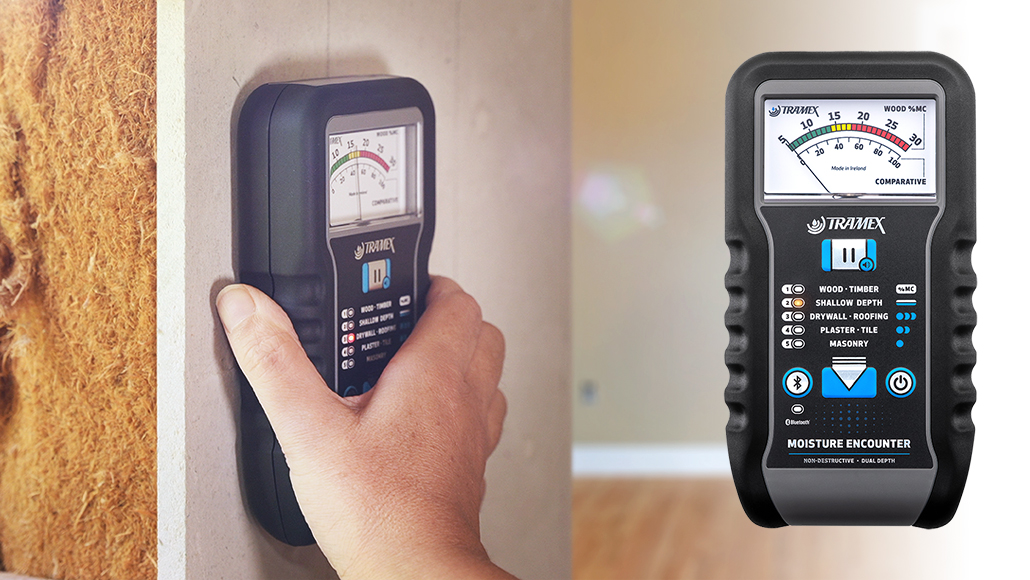
Inspectors examine visible areas and use moisture detection tools to check walls, ceilings, floors, and insulation for hidden dampness.
Attics, HVAC systems, bathrooms, and other high-risk areas receive focused attention.
The goal is to identify moisture pathways and environmental conditions that support mold growth, not just surface symptoms.
When appropriate, mold testing may be used to gather additional information and guide next steps.
Pompano Mold Inspection and Testing provides mold inspection services in Fort Lauderdale with an emphasis on identifying moisture-driven issues early and accurately.
Mold Inspection vs Mold Testing Explained
Mold inspection focuses on locating moisture sources, visible growth, and areas at risk.
Mold testing provides supplemental information when mold is suspected but not visible or when confirmation is needed.
Testing is not always required, but it can be useful in cases involving persistent odors, hidden moisture, or real estate concerns.
Inspection and testing together provide a clearer understanding of building conditions.
Mold Inspection After Water Damage
After leaks or flooding, surfaces may dry while moisture remains trapped inside materials.
Mold inspection after water damage helps determine whether hidden areas were affected and whether mold may be developing.
This step is especially important before closing walls, replacing flooring, or repainting.
Early inspection reduces the risk of future remediation costs.
Why DIY Mold Checks Often Fall Short
Visual checks alone rarely reveal the full picture. Mold often grows inside porous materials such as drywall, insulation, and wood.
Surface cleaning does not address hidden moisture or growth.
Without moisture detection tools, many underlying problems go unnoticed.
Professional inspections provide objective information and reduce uncertainty.
Mold Inspection as a Prevention Tool
Mold inspection is not only for existing problems. It is also a preventive measure.
Identifying moisture sources early allows property owners to correct issues before mold develops.
Inspections also help verify whether previous repairs or drying efforts were effective.
This proactive approach supports long-term property maintenance.
Practical Prevention Tips for Property Owners
Address plumbing leaks and water intrusion immediately, even if damage appears minor.
Maintain AC systems regularly to prevent condensation and drainage issues.
Improve ventilation in bathrooms, laundry rooms, and storage areas.
Monitor indoor humidity levels, especially during warmer months.
Inspect attics, ceilings, and floors after storms.
Avoid sealing or repairing areas until moisture levels are confirmed dry.
Schedule periodic inspections for properties with a history of moisture problems.
Why Local Experience Matters in Fort Lauderdale
Mold behavior varies by location. Fort Lauderdale properties face unique challenges related to coastal humidity, storm exposure, and construction styles.
Local professionals understand how moisture typically enters buildings and where it remains trapped.
This experience leads to more accurate inspections and more effective prevention strategies.
A Practical Takeaway for Property Owners
Mold inspection in Fort Lauderdale provides clarity in a climate where moisture problems are common and often hidden. Recognizing warning signs, acting early, and using professional inspection helps prevent small issues from becoming major repairs.
For property owners, a proactive approach to mold inspection protects building value, reduces long-term risk, and supports stable indoor conditions in South Florida’s demanding environment.
