
Property Owner Guide to Water Leak Detection in Coconut Creek
For property owners in Coconut Creek, water leaks are one of the most common and costly building issues. High humidity, frequent rain, aging plumbing, and constant air conditioning use all increase the chances of leaks developing quietly. Many leaks remain hidden for long periods, causing damage long before they are discovered.
Water leak detection is not just about finding active drips. It is about identifying hidden moisture early, preventing structural damage, and avoiding repeated repairs. This guide explains how leak detection works, why it matters, and how Coconut Creek property owners can protect their homes and buildings.
Why Water Leak Detection Is So Important in Coconut Creek
Coconut Creek experiences warm temperatures and elevated humidity most of the year. Moisture evaporates slowly, allowing leaks to spread and remain active longer.
Seasonal storms and heavy rain increase the risk of roof and exterior wall leaks. Even small openings can allow water to enter wall cavities and ceilings.
Many properties rely heavily on air conditioning. AC drain line failures, cracked drain pans, and duct condensation are frequent sources of hidden water.
Without early detection, these issues often lead to damaged drywall, flooring, insulation, and ongoing moisture problems.
Common Types of Water Leaks in Residential and Rental Properties
Plumbing leaks are among the most frequent. These include slow leaks under sinks, behind walls, inside ceilings, and beneath slab foundations.
Roof leaks often occur after storms. Water may travel far from the original entry point before becoming visible.
AC-related leaks are extremely common in South Florida. Condensation overflow or clogged drain lines can release water into walls and ceilings.
Appliance leaks from washing machines, dishwashers, and water heaters can also remain hidden until damage spreads.
Groundwater intrusion may occur after heavy rain, especially in slab-on-grade homes.
Why Many Leaks Go Undetected
Water does not always show up where the leak starts. It can move along framing, pipes, or insulation and appear in a different location.
High humidity can mask leaks by slowing visible drying and reducing obvious signs like dripping.
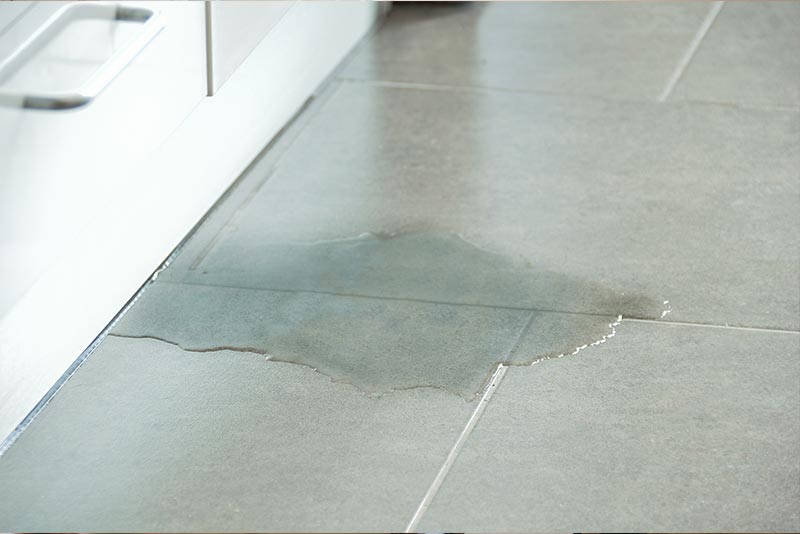
Leaks inside walls, under floors, or above ceilings often remain hidden until stains, odors, or material damage appear.
By the time visible signs develop, the leak may have been active for weeks or months.
Early Warning Signs Property Owners Should Watch For
Unexplained increases in water bills often point to hidden plumbing leaks.
Musty or damp odors, especially in specific rooms or closets, may indicate trapped moisture.
Discoloration or staining on ceilings and walls can signal water intrusion.
Paint that bubbles, peels, or cracks without obvious cause is another common sign.
Warped flooring, soft drywall, or loose baseboards suggest prolonged moisture exposure.
HVAC-related signs include water near air handlers or persistent condensation around vents.
How Professional Water Leak Detection Works
Leak detection begins with a focused inspection based on the property layout and reported symptoms.
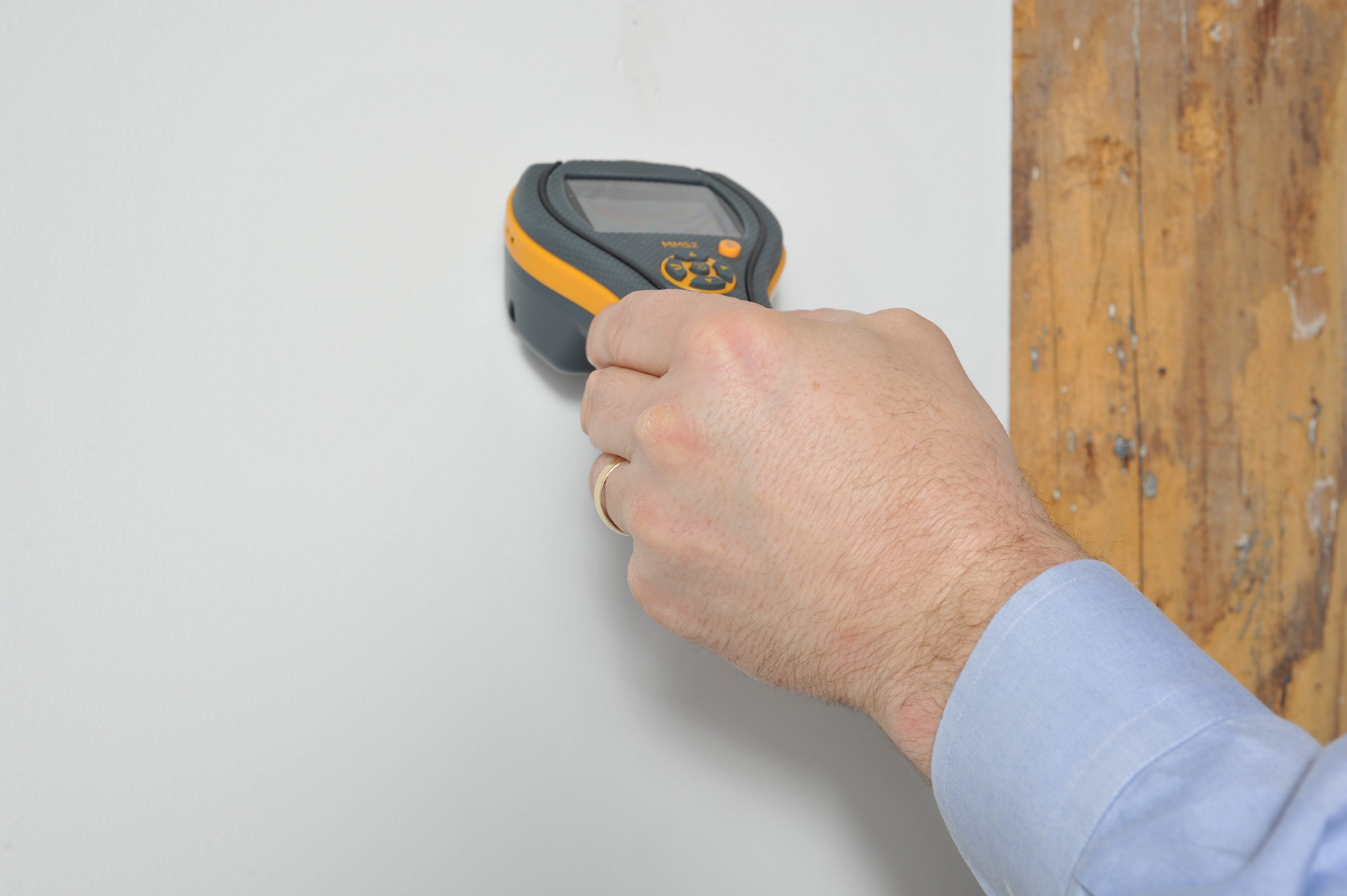
Moisture meters are used to measure water content inside drywall, ceilings, floors, and insulation. These readings help identify damp areas that are not visible.
Thermal imaging may be used to detect temperature differences caused by moisture evaporation, helping locate hidden leaks behind surfaces.
Plumbing systems may be evaluated to isolate active leaks and confirm their source.
The goal is to locate leaks accurately without unnecessary demolition.
Pompano Mold Inspection and Testing provides water leak detection services in Coconut Creek and surrounding Broward County communities with a focus on identifying hidden moisture early.
Water Leak Detection After Storms or Flooding
After storms, homes may appear dry while moisture remains hidden inside materials.
Leak detection after heavy rain helps determine whether water entered through the roof, walls, or foundation.
This step is especially important before repairs or repainting, as sealing moisture inside structures often leads to recurring damage.
Early detection after storms reduces long-term repair costs.
Leak Detection in Rental Properties
Rental properties face higher risk due to frequent occupancy changes and heavy system use.
Tenants may not notice or report small leaks promptly, allowing moisture to spread.
Routine leak detection during tenant turnover helps catch issues early and prevents emergency repairs later.
For property owners, this approach supports consistent property condition and fewer tenant complaints.
Why Visual Inspections Are Not Enough
Looking for stains or drips only reveals part of the problem. Many leaks cause damage long before they become visible.
Professional detection tools provide confirmation that areas are truly dry or still affected.
This prevents guessing and reduces the risk of repeated repairs in the same areas.
How Leak Detection Helps Prevent Mold and Structural Damage
Water leaks create the conditions needed for mold growth. Hidden moisture inside walls, floors, and insulation supports mold development.
By identifying and stopping leaks early, property owners reduce the risk of mold-related problems.
Leak detection also protects structural components such as framing, subflooring, and insulation from long-term deterioration.
Early action saves money and limits disruption.
Practical Leak Prevention Tips for Property Owners
Inspect plumbing fixtures, supply lines, and appliances regularly.
Schedule routine AC maintenance to prevent drain line and condensation issues.
Check ceilings, walls, and attics after storms for early signs of moisture.
Address small leaks immediately rather than delaying repairs.
Avoid sealing or repainting areas until moisture levels are confirmed dry.
Consider periodic professional leak detection for older properties or buildings with a history of water issues.
Why Local Experience Matters in Coconut Creek
Water leak behavior varies by location. Coconut Creek properties face specific challenges related to humidity, storm patterns, and construction styles.
Local professionals understand where leaks typically develop and how moisture spreads in South Florida buildings.
Pompano Mold Inspection and Testing brings this local understanding to Coconut Creek, Margate, North Lauderdale, Pompano Beach, and surrounding Broward County areas.
A Practical Approach for Property Owners
Water leak detection is a proactive tool for protecting property value. Finding leaks early prevents hidden damage, limits repair costs, and supports long-term maintenance.
For Coconut Creek property owners, regular leak detection and moisture awareness are among the most effective ways to avoid unexpected water damage and keep buildings in stable condition year-round.
