
Property Owner Guide to Water Leak Detection in Margate
Water leaks are one of the most damaging and underestimated issues property owners face in Margate. Small leaks often remain hidden for long periods, slowly damaging building materials, increasing water bills, and creating conditions where mold can develop. In South Florida’s humid environment, even minor leaks can escalate quickly if they are not detected and addressed properly.
This guide explains how water leaks typically develop in Margate properties, where they are most commonly found, and why professional leak detection is essential for protecting long-term property value.
Understanding Water Leaks in Residential Properties
A water leak occurs whenever water escapes from plumbing, appliances, or building systems into areas where it does not belong. In many Margate homes, leaks do not appear as obvious flooding. Instead, they develop slowly behind walls, under flooring, or above ceilings.
Because water travels along framing, pipes, and gravity paths, the visible sign of a leak is often far from its source. By the time staining or odors appear, moisture may have already affected a large portion of the structure.
Why Water Leaks Are Common in Margate Homes
Margate properties share many environmental challenges with nearby communities such as Coconut Creek, North Lauderdale, and Coral Springs. High humidity slows evaporation and allows moisture to linger. Seasonal storms place added stress on roofing systems, windows, and exterior walls.
Many homes in Margate were built decades ago and rely on aging plumbing materials that are more prone to corrosion and failure. Slab foundations are common, and leaks beneath slabs can go unnoticed for months while moisture migrates upward into flooring and walls. Constant AC use also introduces risks through condensate drain line clogs and overflowing drain pans.
Common Types of Water Leaks Property Owners Encounter
Property owners in Margate frequently deal with several types of leaks, including:
Plumbing leaks inside walls
Slab leaks beneath floors
AC condensate drain line blockages
Overflowing AC drain pans
Roof leaks after storms
Leaks around windows and doors
Appliance hose and connection failures
Each type of leak requires a different detection approach to avoid unnecessary damage during repairs.
Warning Signs That Suggest a Hidden Leak
Many water leaks remain hidden until secondary signs appear. Common indicators include:
Unexplained increases in water bills
Musty or damp odors
Discoloration on walls or ceilings
Soft or buckling floors
Persistent indoor humidity
Mold growth in isolated areas
Sounds of running water when fixtures are off
These signs often indicate moisture behind surfaces rather than visible water.
Hidden Areas Where Leaks Commonly Occur
Some of the most serious leaks develop in areas that are rarely inspected. These include plumbing lines behind showers, kitchens, and laundry rooms, slab plumbing beneath tile or laminate floors, and AC components located in closets or attics.
Roof-related leaks may travel through attic insulation and framing before reaching ceilings. Window and door leaks can allow rainwater to enter wall cavities without leaving immediate surface damage.
Professional leak detection focuses on these hidden pathways.
Why Visual Inspections Are Not Enough
Relying on surface checks alone often leads to missed leaks. Dry-looking walls or floors may still contain moisture. Cutting into walls without proper detection can also cause unnecessary damage and expense.
Leak detection involves identifying the source of moisture without guesswork. This reduces disruption and ensures repairs are focused on the actual problem rather than symptoms.
How Professional Water Leak Detection Works
Professional leak detection begins with understanding the property layout, plumbing systems, and recent symptoms. Specialized equipment is used to locate leaks without invasive demolition.
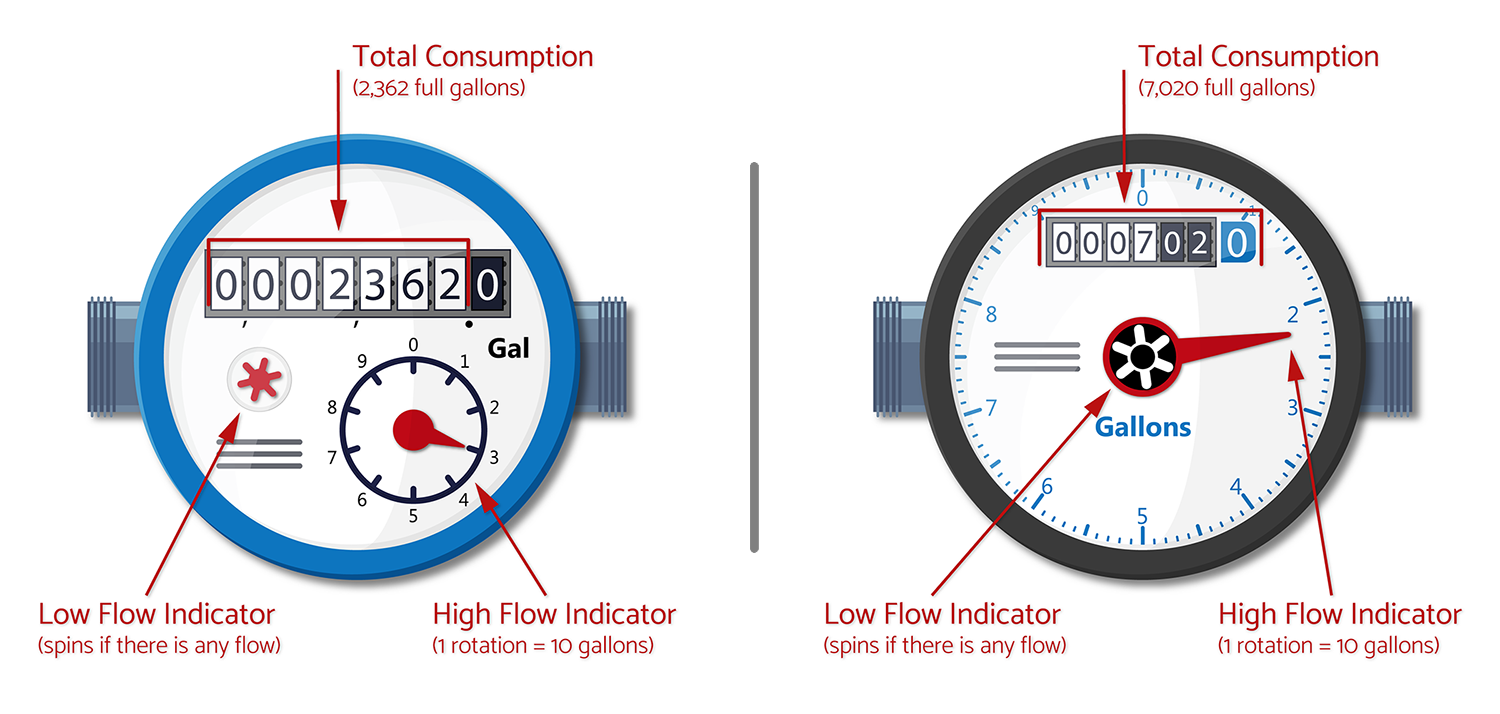
Moisture meters identify damp building materials. Thermal imaging highlights temperature differences caused by moisture. Pressure testing and water meter analysis help confirm plumbing leaks. Together, these tools allow technicians to pinpoint leak locations accurately.
Pompano Mold Inspection and Testing regularly uses these methods in Margate properties to locate leaks efficiently and minimize unnecessary repairs.
The Relationship Between Leaks and Mold Risk
In Margate’s humid climate, water leaks create ideal conditions for mold growth. Mold can begin developing within 24 to 48 hours once materials become damp. Hidden leaks are especially problematic because moisture remains undisturbed for extended periods.
Leak detection is often the first step in mold prevention. Identifying and repairing leaks early reduces the likelihood of mold inspection and remediation becoming necessary later.
Leak Detection in Rental Properties
Rental properties face additional challenges. Tenants may not notice or report leaks promptly, allowing damage to progress. Leak detection during tenant turnover or routine inspections helps identify problems early and reduces future repair costs.
For landlords, documented leak detection also provides clarity when addressing maintenance responsibilities and planning repairs.
Leak Detection After Water Damage or Flooding
After flooding or significant water intrusion, leak detection helps determine whether water has compromised plumbing systems or created new issues. Even clean water events can weaken pipe connections or seals.
Post-damage leak detection ensures that all water-related problems are identified before restoration is completed.
Preventing Future Water Leaks in Margate Properties
While not all leaks can be prevented, property owners can reduce risk through regular maintenance.
Schedule routine plumbing inspections
Maintain AC systems and drain lines
Inspect roofs after storms
Monitor water bills for unusual changes
Address minor leaks immediately
Inspect appliances and hoses periodically
Proactive maintenance is especially important in South Florida’s climate.
Why Local Experience Matters
Water leak detection in Margate requires understanding local construction styles, plumbing layouts, and climate-related moisture behavior. Professionals familiar with Broward County homes know where leaks typically develop and how water travels through structures.
Pompano Mold Inspection and Testing brings that local knowledge to leak detection, moisture assessment, and related services throughout Margate and surrounding communities.
A Practical Perspective for Property Owners
Water leaks rarely resolve on their own. The longer they remain hidden, the more damage they cause. Early detection protects building materials, reduces repair costs, and helps prevent mold-related issues.
For Margate property owners, understanding how leaks develop and why professional detection matters allows for informed, timely decisions. Addressing leaks early is one of the most effective ways to protect a property’s structure, value, and long-term condition.