Risks and Prevention Methods: AC Moisture Repair in Pompano Beach in Older Homes
Older homes in Pompano Beach often have unique charm and solid construction, but they can also present challenges when it comes to moisture control—especially in air conditioning systems. In South Florida’s humid climate, air conditioners run frequently, and when condensation or drainage issues develop, moisture can accumulate quickly. If left untreated, this moisture can lead to mold growth, structural damage, and costly repairs.
Understanding the risks associated with AC moisture problems and the most effective prevention methods helps homeowners and property managers protect older properties and maintain safe indoor environments.
What AC Moisture Problems Are
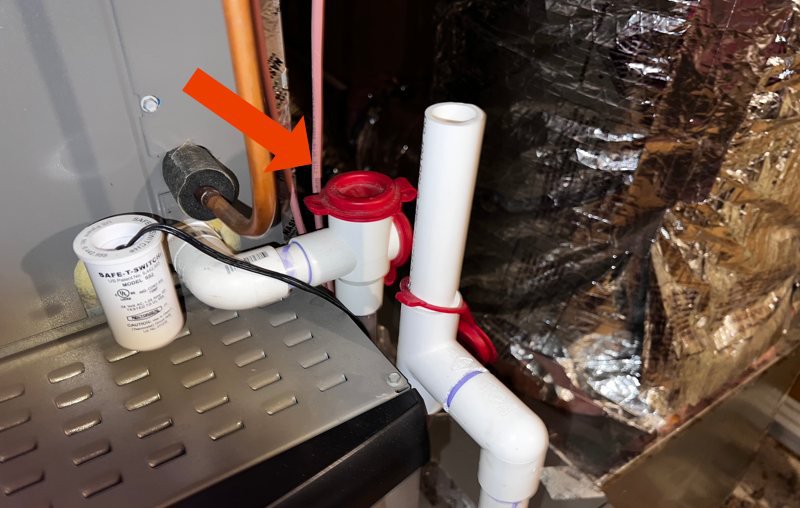
Air conditioning systems naturally produce condensation as they cool indoor air. Moisture forms on the evaporator coils and drains through a condensate line. When the system is working properly, this process removes humidity from the home and prevents moisture buildup.
Problems begin when:
- Condensate drain lines clog
- Drain pans overflow or deteriorate
- Airflow is restricted by dirty filters
- Ductwork develops condensation
- Older components begin to fail
In older homes, aging HVAC systems and outdated ductwork increase the likelihood of these issues.
Why Older Homes in Pompano Beach Are More Vulnerable
Homes built decades ago often have features that make moisture problems more likely:
- Older air conditioning units or duct systems
- Less efficient insulation
- Limited attic ventilation
- Aging plumbing and structural materials
- Older construction methods that allow humidity intrusion
Combined with the warm, humid climate of Pompano Beach and nearby areas like Lighthouse Point, Deerfield Beach, and Margate, these conditions create an environment where condensation problems can develop quickly.
Risks of AC Moisture Problems in Older Homes
AC moisture issues can affect multiple parts of a home if not addressed promptly.
Mold Growth
Moisture trapped in walls, ceilings, or duct systems creates ideal conditions for mold to grow. Mold can spread quietly and may not be visible at first.
Structural Damage
Wood framing, drywall, and insulation can absorb moisture and weaken over time.
Indoor Air Quality Problems
Moisture inside ductwork can circulate odors and contaminants through the home when the HVAC system runs.
Increased Energy Costs
When duct systems or coils are affected by moisture or debris, airflow becomes restricted, reducing efficiency.
Costly Repairs Over Time
Small condensation problems can turn into major restoration projects if ignored.
Common Signs of AC Moisture Issues
Property owners in older homes often notice early warning signs before major damage occurs.
These signs may include:
- Musty odors when the AC runs
- Water stains near vents or ceilings
- Damp insulation in attic spaces
- Increased indoor humidity
- Condensation near air handlers
Recognizing these signs early helps prevent more serious damage.
Hidden Areas Where Moisture Often Accumulates
Moisture from AC systems frequently develops in areas that are difficult to inspect.
Common locations include:
- Inside ductwork
- Around air handler units
- Behind drywall near HVAC systems
- Attic duct insulation
- Condensate drain lines and pans
Because these areas are not easily visible, professional inspection is often necessary.
Professional Inspection and Moisture Detection
Before repairs are performed, a detailed inspection helps determine the extent of the problem. Professionals typically use:
- Moisture meters to measure damp materials
- Thermal imaging to locate hidden moisture
- Visual inspection of ducts and air handlers
- Humidity measurements throughout the home
Companies such as Pompano Mold Inspection and Testing often assist homeowners in Pompano Beach by locating hidden moisture and recommending effective repair solutions.
AC Moisture Repair Process
Professional AC moisture repair usually follows a structured approach to restore proper function and prevent future problems.
Step 1: Drain Line Cleaning and Repair
Clogged or slow drain lines are cleared to ensure proper drainage of condensation.
Step 2: Coil and Drain Pan Service
Evaporator coils and drain pans are cleaned or repaired to prevent overflow.
Step 3: Duct Inspection and Cleaning
If condensation has formed inside ducts, affected sections are cleaned and dried.
Step 4: Structural Drying
Any damp materials near the HVAC system are dried using professional equipment.
Step 5: Final Testing
The system is tested to confirm proper airflow, drainage, and humidity control.
This process ensures that both the moisture source and its effects are addressed.
Mold Prevention After AC Repairs
Once moisture issues are resolved, preventing mold becomes a priority. Proper drying and humidity control significantly reduce the risk of mold growth.
If mold has already developed, remediation may be recommended before repairs are completed.
Practical Prevention Methods That Work
Property owners in older homes can take several steps to reduce the risk of AC moisture problems.
Schedule Regular HVAC Maintenance
Annual inspections help detect minor issues before they become major problems.
Replace Air Filters Regularly
Clean filters improve airflow and reduce condensation buildup.
Clean Condensate Drain Lines
Routine cleaning helps prevent clogs that cause overflow.
Monitor Indoor Humidity
Maintaining recommended humidity levels helps prevent condensation.
Inspect Attics and Air Handlers Periodically
Checking for damp insulation or water stains helps detect problems early.
These simple steps can significantly reduce moisture risks.
Water Damage and Repair Considerations
In some cases, AC moisture problems lead to water damage in ceilings, walls, or flooring. Restoration may include:
- Drying structural materials
- Replacing damaged drywall or insulation
- Repairing affected surfaces
- Ensuring proper ventilation
Addressing water damage promptly helps prevent mold growth and structural deterioration.
Air Ducts, Older Systems, and Moisture
Older homes often have aging duct systems that are more susceptible to condensation. Insulation may deteriorate over time, allowing humid air to affect ducts in attic spaces.
Signs duct systems may need inspection include:
- Uneven cooling
- Persistent odors
- Visible dust or debris near vents
Cleaning and sealing ducts helps maintain efficiency and indoor air quality.
Why Local Experience Matters
AC moisture problems in coastal South Florida require specialized knowledge. Professionals familiar with Pompano Beach understand:
- Humidity patterns that affect HVAC systems
- Construction styles common in older Broward County homes
- Condensation behavior in attic duct systems
- Proper drying methods for humid climates
This experience helps ensure repairs are effective and long-lasting.
A Practical Next Step for Homeowners
AC moisture problems in older homes often begin quietly, but early inspection and repair can prevent serious damage. Addressing condensation issues promptly helps protect structural materials, prevent mold growth, and maintain comfortable indoor conditions.
Homeowners and property managers in Pompano Beach often rely on experienced local providers such as Pompano Mold Inspection and Testing to inspect HVAC systems, locate moisture problems, and restore safe indoor environments. Taking action early helps preserve older homes and keep them in excellent condition for years to come.