
Understanding Carpet Cleaning After Water Damage in Lighthouse Point: Inspection and Repair Guide
Water damage is a common issue in Lighthouse Point homes, especially in coastal properties exposed to heavy rain, plumbing leaks, and high humidity. When water reaches carpeted areas, the damage is not always obvious at first. What looks like a simple wet spot can quickly turn into a deeper problem involving padding, subflooring, and indoor air quality.
This guide explains how carpet is affected by water damage in Lighthouse Point, why proper inspection matters, and how professional cleaning and repair help protect your home after water exposure.
How Water Damage Affects Carpeted Areas
Carpet acts like a sponge. When water enters a room, it is absorbed quickly by the carpet fibers and padding underneath. Even if the surface appears to dry, moisture often remains trapped below.
In Lighthouse Point’s humid climate, this trapped moisture does not evaporate easily. Instead, it spreads outward and downward, affecting baseboards, walls, and subflooring. Without proper inspection and drying, water damage continues long after the initial event.
Why Carpet Water Damage Is Common in Lighthouse Point
Several local factors increase the risk of carpet water damage. Coastal storms bring wind-driven rain that can enter through doors, windows, or roof systems. Plumbing leaks and AC condensation issues are also common due to year-round system use.
Many homes in Lighthouse Point share construction styles with nearby Fort Lauderdale and Lauderdale-by-the-Sea, including slab foundations that allow moisture to migrate upward. High indoor humidity further slows drying and increases the risk of lingering dampness in carpeted areas.
Types of Water That Can Affect Carpet
Not all water damage is the same. The source of water affects how carpet should be handled.
Clean water may come from supply line leaks or overflowing fixtures. Gray water may involve washing machine overflows or AC-related moisture. Floodwater from storms may carry debris and contaminants.
Proper inspection helps determine the water source and whether carpet cleaning, deep drying, or removal is appropriate.
Early Signs Carpet Has Been Affected by Water
Carpet water damage is not always obvious. Homeowners should watch for:
Damp or spongy carpet underfoot
Discoloration or darkened areas
Musty or sour odors
Carpet pulling away from edges
Staining along baseboards
Persistent indoor humidity
Mold growth near carpet edges
These signs often indicate moisture beneath the surface.
Why Inspection Is Critical Before Cleaning
Cleaning carpet without proper inspection can make problems worse. Surface cleaning may improve appearance but does not remove moisture from padding or subfloors.
Inspection identifies how far water has spread, whether padding is saturated, and whether surrounding materials are affected. Moisture detection tools help locate hidden damp areas so cleaning and drying can be done correctly.
Skipping inspection often leads to recurring odors, mold growth, and repeated damage.
What Professional Carpet Inspection Involves
Professional inspection begins with evaluating the affected area and identifying the water source. Moisture meters are used to assess carpet fibers, padding, and nearby materials.
Inspectors also check baseboards, drywall, and subfloors for moisture migration. This step determines whether carpet can be cleaned and restored or whether partial removal is necessary.
Pompano Mold Inspection and Testing regularly performs these inspections in Lighthouse Point homes following water damage events.
Carpet Cleaning After Water Damage Explained
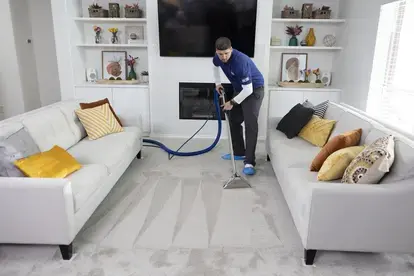
When carpet is salvageable, professional cleaning focuses on removing water, contaminants, and odors. High-powered extraction equipment removes moisture from carpet and padding.
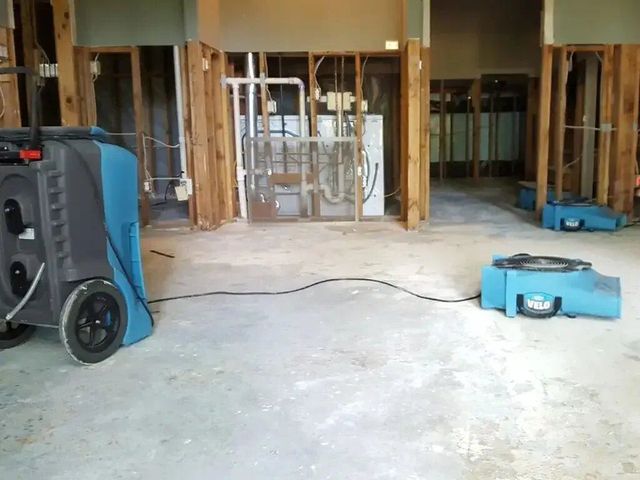
Specialized drying equipment controls airflow and humidity to pull remaining moisture out safely. Cleaning solutions are used as needed to address residues and odors caused by water exposure.
Proper cleaning is always paired with thorough drying to prevent future issues.
When Carpet Padding Needs Replacement
Carpet padding often holds more water than the carpet itself. Once padding is saturated, it may not dry effectively, especially in Lighthouse Point’s humid conditions.
If padding remains wet for too long, it can develop odors and support mold growth. In many cases, replacing the padding while saving the carpet is the most effective solution.
Inspection results guide this decision and help avoid unnecessary carpet replacement.
Subfloor and Structural Considerations
Water that reaches carpet often continues into the subfloor. Concrete slabs, wood subfloors, and adhesives can all be affected.
Professional drying ensures moisture does not remain trapped beneath carpeted areas. Addressing subfloor moisture is critical for long-term success and prevents damage from resurfacing later.
The Link Between Wet Carpet and Mold Growth
Mold can begin developing within 24 to 48 hours after carpet becomes wet. Carpet fibers, backing, and padding provide organic material mold can use to grow when moisture is present.
Proper inspection, cleaning, and drying significantly reduce mold risk. When water exposure is extensive or prolonged, mold inspection and testing may be recommended to ensure conditions are safe before reinstallation.
Carpet Cleaning After Storms and Flooding
After storms or flooding, carpeted areas are especially vulnerable. Even small amounts of water intrusion can spread widely under carpet.
Post-storm carpet inspection helps determine whether cleaning is sufficient or whether removal is necessary. Acting early often prevents larger restoration projects.
Carpet Water Damage in Rental and Waterfront Homes
Rental properties and waterfront homes in Lighthouse Point face additional challenges. Tenants may not report water issues immediately, and waterfront exposure increases humidity levels.
Professional carpet inspection and cleaning help property owners address damage thoroughly and document proper maintenance. This reduces repeat complaints and protects long-term property value.
Preventing Future Carpet Water Damage
While not all water events can be avoided, homeowners can reduce risk with proactive steps.
Address leaks immediately
Maintain AC drain lines and systems
Inspect doors and windows for proper sealing
Monitor indoor humidity levels
Respond quickly to wet carpet
Schedule inspections after storms
Early action makes a significant difference.
Why Local Experience Matters
Carpet cleaning after water damage in Lighthouse Point requires understanding coastal humidity, construction styles, and moisture behavior. Homes in this area dry differently than properties farther inland.
Professionals familiar with Broward County coastal homes know where moisture typically hides and how to remove it effectively. Pompano Mold Inspection and Testing brings that local experience to carpet inspection, cleaning, and moisture-related services throughout Lighthouse Point.
A Practical Takeaway for Homeowners
Wet carpet is never just a surface problem. Moisture trapped beneath carpet can continue damaging your home long after the initial water event.
For Lighthouse Point homeowners, proper inspection followed by professional carpet cleaning and drying helps protect flooring, indoor air quality, and the structure itself. Acting early and addressing moisture completely is the most effective way to recover from water damage and prevent future problems.