Understanding Indoor Air Quality Improvement in Coconut Creek: Risks and Prevention Methods
Indoor air quality is something many homeowners don’t think about until comfort starts to change. A home may begin to feel humid, odors may linger longer than usual, or certain rooms may seem stuffy even when the air conditioning is running. In Coconut Creek, where humidity levels remain high for much of the year, indoor air quality problems often develop gradually and are usually connected to moisture, ventilation, and HVAC system performance.
Understanding how indoor air quality is affected, the risks involved, and the best prevention methods can help homeowners and property managers maintain a comfortable and healthy indoor environment.
What Indoor Air Quality Problems Really Are
Indoor air quality refers to the condition of the air inside a home, including humidity levels, airborne particles, odors, and ventilation. When moisture, dust, or contaminants build up indoors, air quality can decline and lead to discomfort or long-term structural concerns.
In Coconut Creek homes, indoor air quality problems are commonly linked to:
- High indoor humidity
- Poor ventilation
- Dust buildup in ducts
- Moisture from roof or plumbing leaks
- Condensation from HVAC systems
- Damp materials in attics or closets
These conditions allow airborne particles and odors to accumulate, making the air feel heavy or stale.
Why Indoor Air Quality Issues Are Common in Coconut Creek
Coconut Creek and nearby communities such as Margate, North Lauderdale, Deerfield Beach, Pompano Beach, Lighthouse Point, Lauderdale-by-the-Sea, and Fort Lauderdale experience similar climate conditions. Warm temperatures and high humidity create an environment where moisture control becomes essential.
Several factors contribute to indoor air quality problems in this region:
- Outdoor humidity entering homes when doors and windows open
- Air conditioning systems running for long periods
- Warm attic temperatures increasing duct condensation
- Seasonal storms introducing moisture into structures
- Limited airflow in tightly sealed homes
Because humidity levels remain elevated, materials inside the home may retain moisture longer than expected.
Early Signs Homeowners Should Not Ignore
Indoor air quality problems usually provide warning signs before becoming serious. Common early indicators include:
- Musty or stale odors indoors
- Rooms that feel humid or sticky
- Dust accumulating quickly on surfaces
- Condensation forming on vents or windows
- Uneven cooling or airflow
- Lingering odors after cooking or cleaning
These signs often indicate that moisture or ventilation issues are present and should be evaluated.
Hidden or Overlooked Sources of Poor Air Quality
Many air quality problems begin in areas that homeowners rarely inspect. Common hidden sources include:
- Air handler closets where condensation collects
- Ductwork in attic spaces
- Damp insulation or drywall after minor leaks
- Closets with limited airflow
- Laundry rooms with high humidity
- Areas behind cabinets or appliances
Because these areas remain closed off, problems can develop gradually without obvious signs.
Risks Associated With Poor Indoor Air Quality
Ignoring indoor air quality issues can lead to several risks over time:
- Persistent odors and discomfort
- Increased humidity levels indoors
- Mold growth in damp materials
- Reduced HVAC efficiency
- Damage to drywall, wood, or insulation
Addressing problems early helps prevent structural damage and more extensive repairs later.
Professional Indoor Air Quality Evaluation Explained
A professional indoor air quality evaluation typically follows a structured process to identify both visible and hidden issues.
Initial Consultation
The evaluation begins with discussing any odors, humidity concerns, or recent leaks. This helps determine which areas require closer inspection.
Visual Inspection
High-risk areas such as kitchens, bathrooms, attics, HVAC systems, and closets are examined for signs of moisture or poor ventilation.
Moisture Detection
Moisture meters and thermal imaging tools help locate damp areas behind walls or ceilings that may be affecting air quality.
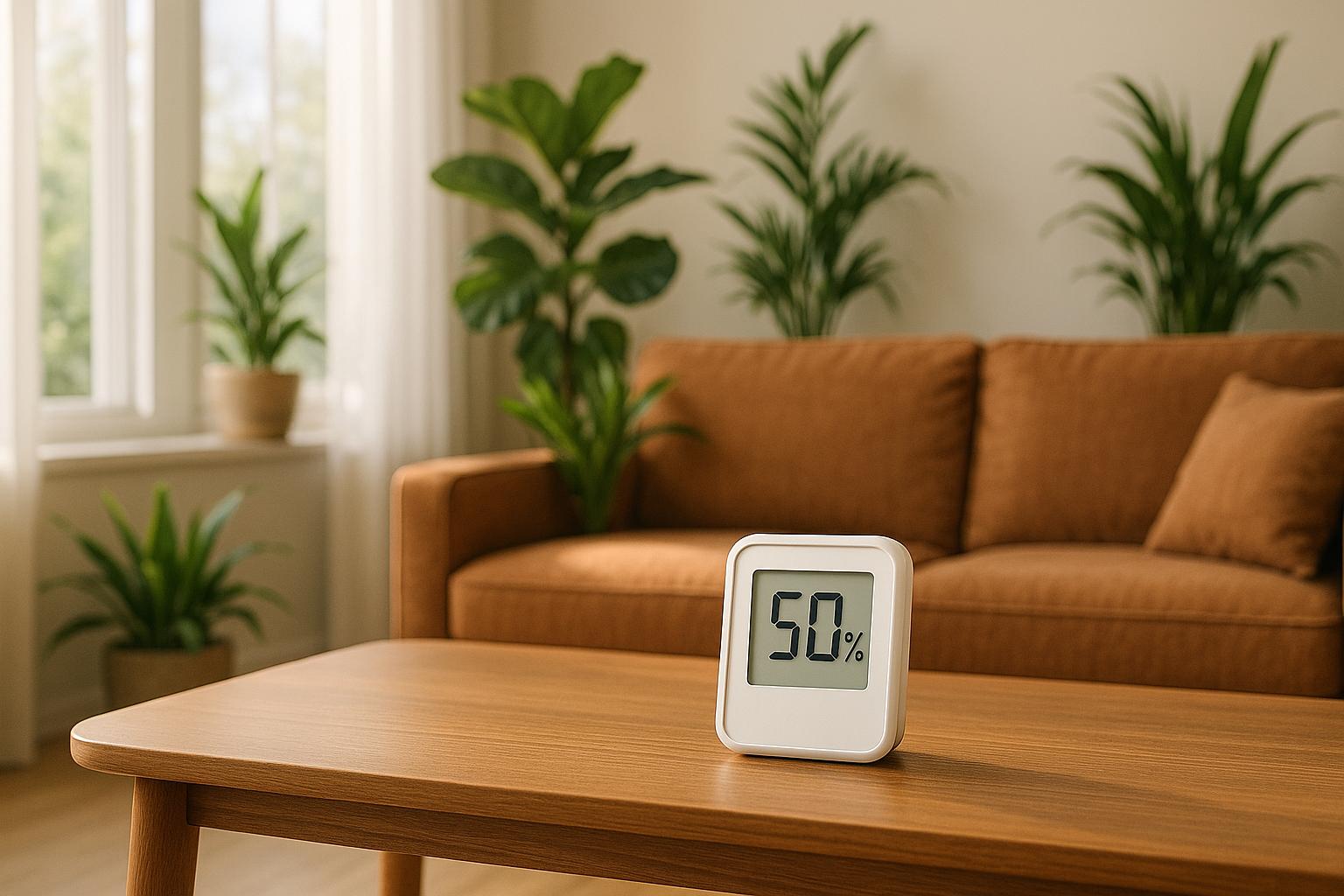
Humidity Measurement
Indoor humidity levels are measured to determine whether conditions are promoting mold growth or condensation.
Air Quality Testing When Needed
Air sampling may be recommended when odors persist or mold is suspected but not visible. Testing helps evaluate airborne particles and identify potential sources.
Pompano Mold Inspection and Testing performs indoor air quality evaluations throughout Coconut Creek and surrounding Broward County communities, helping homeowners understand moisture conditions and how to improve airflow and comfort.
Air Ducts, AC Systems, and Indoor Air Quality
HVAC systems play a major role in indoor air quality because they circulate air throughout the home. When ducts or components accumulate dust or moisture, air quality may decline.
Common HVAC-related issues include:
- Dust buildup in return ducts
- Dirty evaporator coils
- Condensation in drip pans
- Leaking ducts pulling humid attic air
Air duct cleaning and regular maintenance often improve airflow and help reduce humidity buildup.
Proper Mold Removal and Remediation When Necessary
If poor indoor air quality is caused by mold growth, remediation may be necessary. Proper remediation focuses on:
- Identifying and correcting moisture sources
- Removing affected materials when needed
- Cleaning structural surfaces
- Using air filtration equipment
- Confirming dryness before repairs
Correcting the source of moisture ensures that mold does not return.
Flood Restoration and Water Damage Effects on Air Quality
Storms and heavy rains in Coconut Creek sometimes cause water intrusion that affects indoor air quality. Even small amounts of water can increase humidity levels and lead to microbial growth if materials remain damp.
Water damage restoration may involve:
- Water removal
- Structural drying
- Moisture monitoring
- Repairing affected materials after drying
Prompt drying significantly reduces the risk of long-term air quality problems.
Prevention Methods for Improving Indoor Air Quality
Preventive maintenance is one of the most effective ways to maintain good indoor air quality.
Helpful steps include:
- Keeping indoor humidity under control
- Servicing air conditioning systems regularly
- Replacing HVAC filters on schedule
- Using exhaust fans in bathrooms and kitchens
- Inspecting roofs and plumbing for leaks
- Ensuring attic ventilation is adequate
- Keeping supply and return vents unobstructed
Regular inspections and maintenance help identify small issues before they become larger problems.
Why Local Experience Matters
Homes in Coconut Creek face environmental conditions that differ from many other regions. Coastal humidity, frequent storms, and long cooling seasons all influence indoor air quality. Professionals familiar with Broward County conditions understand how moisture behaves in local construction styles and can identify problem areas more quickly.
This experience allows property owners to receive practical recommendations that address the root cause of air quality issues rather than temporary symptoms.
Calm, Trust-Based Call to Action
If your home feels humid, musty, or uncomfortable even when the air conditioning is running, those early signs should not be ignored. Indoor air quality evaluations can help identify moisture sources, improve airflow, and prevent larger problems from developing.
Pompano Mold Inspection and Testing works with homeowners and property managers in Coconut Creek and surrounding communities to evaluate indoor air conditions, identify moisture problems, and recommend practical solutions that restore clean, comfortable air indoors.