
Understanding Indoor Air Quality Improvement in Lauderdale-by-the-Sea: Practical Tips That Work
Lauderdale-by-the-Sea, Florida, is a coastal town known for its pristine beaches, vibrant communities, and warm tropical climate. While the area offers an attractive lifestyle, coastal homes and businesses face unique challenges in maintaining healthy indoor air quality (IAQ). High humidity, salt air, heavy rainfall, and the occasional tropical storm can lead to moisture accumulation, dust, allergens, and even mold growth—factors that negatively affect indoor air quality.
Indoor air quality directly impacts health, comfort, and property longevity. Poor air quality can exacerbate allergies, trigger respiratory problems, and contribute to long-term illnesses. In addition, inadequate air management can damage building materials and increase energy costs. Therefore, improving IAQ is not just about comfort—it is essential for health, safety, and the durability of homes and businesses in Lauderdale-by-the-Sea.
This guide provides a detailed overview of why indoor air quality matters, the common challenges faced in coastal environments, and practical, step-by-step tips to improve air quality effectively.
1. Why Indoor Air Quality Matters
Indoor air quality is the measure of air purity within homes and buildings, influenced by pollutants, allergens, and environmental conditions. The importance of IAQ cannot be overstated:
1.1 Health Impacts
Poor IAQ can trigger a range of health issues, including:
- Respiratory problems, such as coughing, wheezing, and shortness of breath.
- Allergic reactions, including sneezing, itchy eyes, and skin irritation.
- Asthma exacerbation in sensitive individuals.
- Headaches, fatigue, and dizziness, caused by exposure to VOCs (volatile organic compounds) and indoor pollutants.
In coastal homes, high humidity promotes mold growth, which is a major contributor to poor indoor air quality and respiratory issues.
1.2 Comfort and Productivity
- Homes and offices with poor air quality often feel stuffy, damp, or musty.
- Maintaining clean, fresh air improves comfort and productivity for residents and employees.
1.3 Property Protection
- High humidity and poor ventilation accelerate mold growth, wood rot, and corrosion of metal components.
- Improving IAQ helps preserve building materials and prolong the lifespan of HVAC systems and structural components.
1.4 Energy Efficiency
- Airborne contaminants, dust buildup, and blocked ventilation reduce HVAC efficiency, increasing energy costs.
- Clean, well-managed indoor air allows HVAC systems to operate efficiently and maintain optimal humidity levels.
2. Unique IAQ Challenges in Lauderdale-by-the-Sea
Coastal homes in Lauderdale-by-the-Sea face several environmental factors that complicate indoor air quality management:
2.1 High Humidity
- Humidity levels often exceed 70%, creating an environment conducive to mold and mildew growth.
- Poorly ventilated attics, bathrooms, and closets retain moisture, leading to musty odors and potential structural damage.
2.2 Salt Air
- Coastal homes are exposed to salt-laden air, which accelerates metal corrosion and HVAC deterioration.
- Salt particles carried into homes through windows and doors can accumulate, attracting dust and allergens.
2.3 Storms and Flooding
- Heavy rains and tropical storms introduce excess moisture into walls, flooring, and HVAC systems.
- Flooding can contribute to mold infestations, dust mites, and bacterial growth, all of which degrade air quality.
2.4 Pollen and Outdoor Allergens
- Coastal vegetation produces pollen, which can infiltrate homes through windows, doors, and ventilation systems.
- Without proper filtration, pollen, dust, and other outdoor allergens circulate indoors, aggravating respiratory conditions.
2.5 HVAC System Challenges
- Coastal humidity and salt air can cause HVAC coils to corrode, reducing system efficiency.
- Poor maintenance of ducts, filters, and condensate lines allows mold spores and dust to circulate throughout indoor spaces.
3. Practical Tips to Improve Indoor Air Quality
Improving IAQ in Lauderdale-by-the-Sea involves a combination of ventilation, moisture management, filtration, and preventive maintenance.
3.1 Control Humidity Levels
- Maintain indoor humidity between 40–50% using dehumidifiers or air conditioning.
- High humidity encourages mold, dust mites, and musty odors.
- Use moisture meters to monitor areas prone to dampness, such as bathrooms, attics, and basements.
3.2 Ensure Proper Ventilation
- Install exhaust fans in bathrooms, kitchens, and laundry areas to remove moisture and contaminants.
- Use ceiling fans and open windows strategically to allow airflow.
- Consider mechanical ventilation systems for homes with poor natural airflow.
3.3 Clean and Maintain HVAC Systems
- Schedule professional HVAC inspections at least twice a year.
- Replace filters regularly, ideally every 1–3 months, depending on usage.
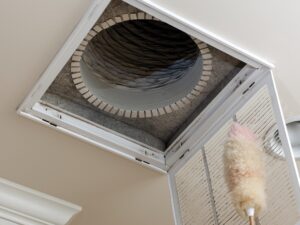
- Clean ducts, coils, and condensate lines to prevent mold, bacteria, and dust buildup.
- Consider installing HEPA filters for superior air purification.
3.4 Mold and Moisture Control
- Address leaks and standing water immediately.
- Insulate cold water pipes to prevent condensation.
- Treat areas prone to dampness, like basements or crawlspaces, with antimicrobial coatings.
- Perform regular inspections, particularly after storms or heavy rainfall.
3.5 Reduce Indoor Pollutants
- Limit the use of products containing volatile organic compounds (VOCs), such as paints, cleaners, and adhesives.
- Use natural or low-VOC cleaning products when possible.
- Avoid smoking indoors.
- Vacuum regularly with a HEPA-filter vacuum to remove dust, allergens, and pet dander.
3.6 Air Purifiers and Filtration
- Invest in high-quality air purifiers with HEPA and activated carbon filters.
- Place purifiers in high-traffic areas such as living rooms and bedrooms.
- Consider whole-home filtration systems for comprehensive air quality improvement.
3.7 Seasonal Maintenance and Awareness
- During hurricane and wet seasons, inspect homes for roof leaks, water intrusion, and attic moisture.
- Ensure proper grading and drainage to prevent water accumulation around the foundation.
- Monitor HVAC and ventilation systems for corrosion caused by salt-laden air.
3.8 Educate Residents and Occupants
- Encourage family members or tenants to report musty odors or visible mold.
- Educate occupants on the importance of keeping spaces dry and well-ventilated.
- Establish a regular maintenance routine to maintain long-term air quality.
4. Benefits of Improved Indoor Air Quality
Implementing these tips provides tangible benefits for coastal homes:
4.1 Health and Well-Being
- Reduces respiratory issues, allergies, and asthma triggers.
- Minimizes exposure to mold spores, bacteria, and other airborne contaminants.
4.2 Comfort and Lifestyle
- Homes feel fresher, cleaner, and more comfortable.
- Reduces musty odors and dampness often associated with coastal environments.
4.3 Structural Longevity
- Prevents moisture damage to walls, ceilings, insulation, and wood components.
- Prolongs the lifespan of HVAC systems and reduces the risk of corrosion or mold growth.
4.4 Energy Efficiency
- Clean ducts, well-maintained systems, and controlled humidity allow HVAC systems to operate efficiently.
- Reduced energy consumption leads to lower utility bills.
4.5 Financial Value
- Homes with high indoor air quality maintain higher property values.
- Proactive IAQ management prevents expensive repairs related to mold, water damage, and HVAC failure.
5. Professional Indoor Air Quality Services
For comprehensive improvement, homeowners in Lauderdale-by-the-Sea can rely on professional IAQ services. These services typically include:
- Indoor air quality testing for pollutants, allergens, VOCs, and mold spores.
- HVAC cleaning and maintenance to ensure efficient airflow and filtration.
- Mold inspection and remediation, particularly after water damage or high-humidity events.
- Moisture control solutions, including dehumidifier installation and insulation improvements.
- Air purification solutions, such as HEPA filters, UV air sanitizers, and whole-home air filtration systems.
Professional assessment ensures that problems are correctly identified and addressed, resulting in safer, healthier, and more energy-efficient homes.
6. Case Study: IAQ Improvement in a Lauderdale-by-the-Sea Home
A coastal home in Lauderdale-by-the-Sea experienced musty odors, frequent condensation on windows, and allergy symptoms among residents. Inspection revealed:
- High humidity levels due to inadequate ventilation.
- Mold growth in the attic and behind bathroom walls.
- Dust accumulation in HVAC ducts and air filters.
The IAQ improvement strategy included:
- Installation of dehumidifiers and improved attic ventilation.
- Professional mold removal and wall restoration.
- Replacement of HVAC filters with HEPA-grade filters and duct cleaning.
- Use of air purifiers in bedrooms and living spaces.
- Regular maintenance plan to monitor humidity and air quality.
Outcome: Indoor air quality improved significantly, allergens were reduced, and residents experienced better health and comfort.
7. Conclusion
Indoor air quality is a critical aspect of maintaining healthy, comfortable, and energy-efficient homes in Lauderdale-by-the-Sea. Coastal environments create unique challenges, including high humidity, salt-laden air, and frequent storms, which can compromise air quality.
By implementing practical strategies such as humidity control, ventilation improvements, HVAC maintenance, mold prevention, and air purification, homeowners can significantly improve IAQ. Professional services enhance these efforts, ensuring accurate assessment, effective remediation, and long-term protection.
Investing in indoor air quality improvement not only protects health and comfort but also preserves the structural integrity and value of homes in this coastal region. With careful attention and preventive maintenance, residents of Lauderdale-by-the-Sea can enjoy a safe, healthy, and enjoyable living environment year-round.
