

Warning Signs and Prevention Tips: Mold Removal in Lauderdale-by-the-Sea in Coastal Homes
Living in Lauderdale-by-the-Sea means being close to the ocean, enjoying sea breezes, and dealing with coastal weather year-round. While the location is appealing, the coastal environment also creates constant moisture challenges for homes. High humidity, salt air, wind-driven rain, and heavy AC use all contribute to mold growth if conditions are not carefully managed.
In many coastal homes, mold problems develop slowly and quietly. Homeowners often miss early warning signs until mold becomes visible or odors become persistent. Understanding these signs and knowing how mold removal and prevention work in Lauderdale-by-the-Sea can help protect homes from ongoing damage.
What Mold Is and Why It Thrives in Coastal Homes
Mold is a natural organism that grows wherever moisture and organic material are present. In homes, it feeds on drywall, wood, insulation, carpet backing, dust, and even residue inside air ducts.
Coastal homes in Lauderdale-by-the-Sea face continuous moisture exposure. Ocean air carries humidity inland, and even on dry days, indoor moisture levels can remain elevated. When this moisture settles into walls, ceilings, or HVAC systems, mold can begin growing within a short period of time.
Once mold establishes itself, it spreads through microscopic spores that move easily through the air, allowing growth to expand beyond the original moisture source.
Why Mold Problems Are Common in Lauderdale-by-the-Sea
Several local factors make mold a frequent issue in Lauderdale-by-the-Sea homes. Wind-driven rain during storms can force water into roof lines, windows, doors, and wall assemblies. Salt air accelerates wear on building materials, creating small openings where moisture can enter.
Many homes rely heavily on air conditioning to stay comfortable. When AC systems run almost nonstop, condensation forms. Clogged drain lines, poorly insulated ducts, or aging equipment allow moisture to accumulate in ceilings, closets, and wall cavities.
Older coastal homes may have original plumbing, roofing, or windows that allow moisture intrusion. Newer homes can still experience mold due to tight construction that traps humidity indoors.
Early Warning Signs Homeowners Should Watch For
One of the earliest signs of mold is a musty or earthy odor that does not go away. In coastal homes, this smell often becomes stronger when the AC is running or after the home has been closed for a few hours.
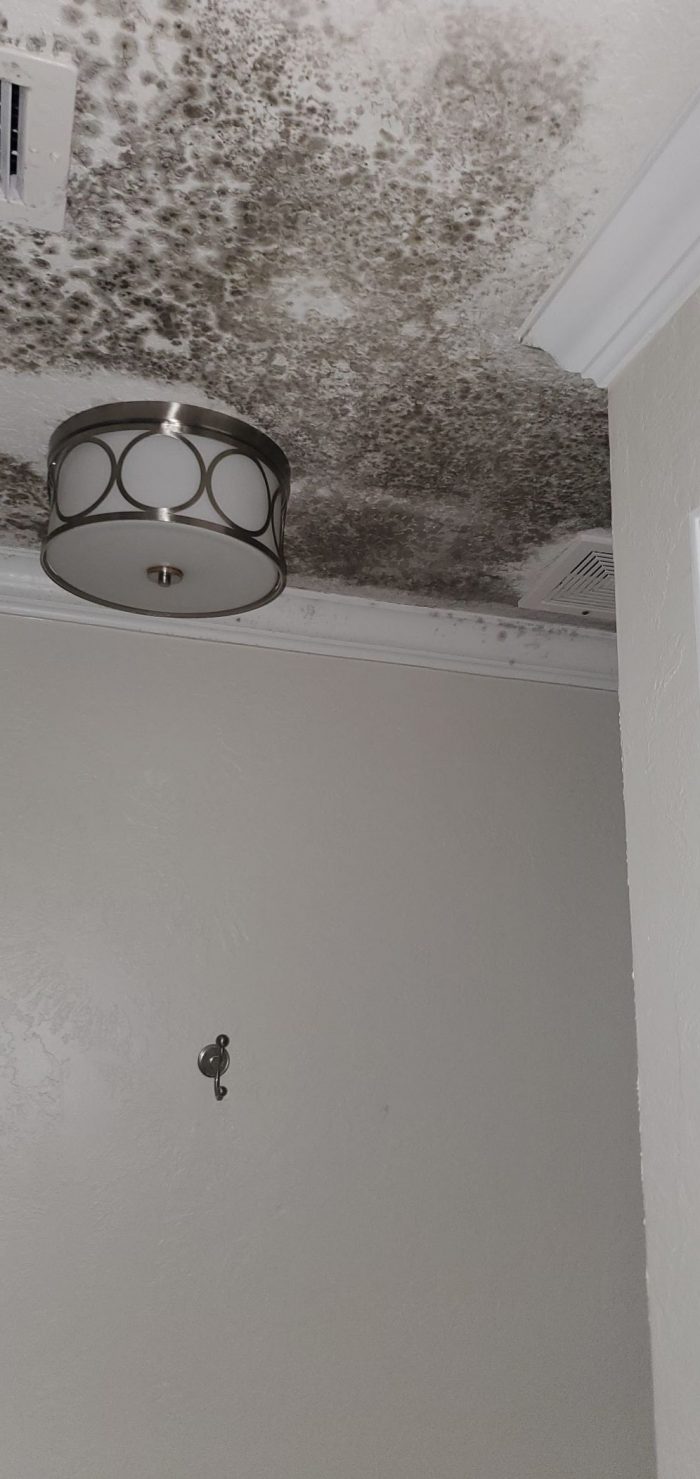
Discoloration on walls or ceilings, even faint gray, brown, or green spots, can indicate moisture behind surfaces. Paint that bubbles, peels, or cracks without an obvious cause is another warning sign.
Homeowners may also notice warped baseboards, soft drywall, or flooring that feels uneven. Increased condensation on vents, supply grilles, or windows can point to excess humidity or duct-related moisture issues.
These signs often appear before mold becomes clearly visible and should not be ignored.
Hidden Areas Where Mold Commonly Develops
Mold in coastal homes often grows out of sight. Attics are a frequent problem area, especially after storms. Roof leaks or wind-driven rain can dampen insulation and roof decking, allowing mold to grow unnoticed.
Inside wall cavities, slow plumbing leaks from bathrooms, kitchens, or laundry rooms provide steady moisture. These leaks may go undetected for months while mold spreads behind drywall.
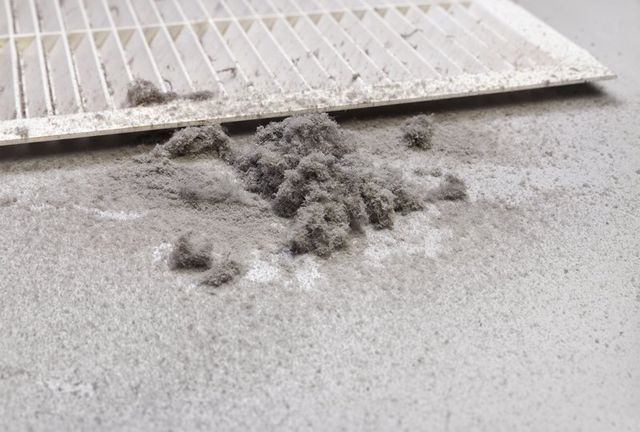
Air ducts and air handlers are another overlooked source. Dust combined with condensation creates ideal conditions for mold inside HVAC systems. When this happens, spores can circulate throughout the home.
Under sinks, behind appliances, and beneath bathroom flooring are also common locations, particularly after minor flooding or repeated moisture exposure.
Why Mold Removal Requires More Than Surface Cleaning
Many homeowners attempt to remove mold using household cleaners. While this may reduce visible staining, it does not address mold that has grown into porous materials.
Drywall, wood, insulation, and carpet padding allow mold to penetrate below the surface. Cleaning only what you can see leaves hidden growth behind.
Without correcting the moisture source, mold will return. In some cases, improper cleaning can spread spores into other areas of the home, making the problem worse.
Effective mold removal requires a controlled process that addresses both contamination and moisture conditions.
How Professional Mold Removal Works in Coastal Homes
Professional mold removal begins with a detailed inspection. Moisture detection tools are used to locate hidden water intrusion in walls, ceilings, floors, and HVAC systems.
Affected areas are contained to prevent spores from spreading. Materials that cannot be effectively cleaned, such as heavily contaminated drywall or insulation, may need to be removed.
Surfaces are treated with professional-grade antimicrobial solutions designed for mold remediation. HEPA filtration is used to capture airborne spores during the process.
Most importantly, moisture issues are corrected. This may involve plumbing repairs, AC drainage adjustments, improved ventilation, or humidity control.
Pompano Mold Inspection and Testing performs mold removal and remediation throughout Lauderdale-by-the-Sea and nearby coastal communities using this structured approach.
Mold Removal After Storms and Water Damage
Coastal storms and heavy rainfall increase the risk of water intrusion. Even small leaks or brief flooding can leave moisture behind that supports mold growth.
Professional water damage restoration includes water removal, structural drying, and moisture monitoring. Drying equipment is used to reach hidden moisture trapped beneath flooring or inside walls.
Skipping proper water damage repair often leads to mold problems weeks or months later. Addressing water intrusion promptly reduces the likelihood of mold developing.
Air Ducts, AC Systems, and Mold Prevention
HVAC systems play a major role in mold spread when moisture is present. Condensation inside air handlers or ducts allows mold to grow out of sight.
If mold is present in the duct system, professional duct inspection and cleaning may be necessary. Correcting AC-related moisture issues, such as clogged drain lines or poor insulation, helps prevent recurring mold problems.
Proper airflow and humidity control are essential in coastal homes where AC systems operate most of the year.
Practical Mold Prevention Tips for Coastal Homes
Preventing mold in Lauderdale-by-the-Sea starts with moisture management. Keeping indoor humidity under control is critical.
Regular AC maintenance helps prevent condensation and drainage problems. Ensuring proper ventilation in bathrooms, kitchens, and laundry rooms reduces moisture buildup.
Sealing windows, doors, and exterior penetrations helps limit wind-driven moisture intrusion. After storms or leaks, prompt drying and inspection can stop mold before it starts.
Periodic professional inspections are especially helpful for coastal homes with ongoing exposure to humidity and salt air.
Why Local Coastal Experience Matters
Mold behavior in coastal environments differs from inland areas. Lauderdale-by-the-Sea homes face unique challenges related to ocean air, storms, and construction styles.
Local professionals understand common moisture pathways and how mold develops in coastal structures. This experience leads to more accurate inspections, effective mold removal, and better prevention strategies.
Pompano Mold Inspection and Testing brings this coastal knowledge to Lauderdale-by-the-Sea, Lighthouse Point, Fort Lauderdale, Deerfield Beach, and surrounding Broward County areas.
A Calm, Informed Next Step
If you have noticed early warning signs or want to reduce mold risk in your coastal home, taking action early can prevent larger problems. A professional inspection provides clarity, identifies moisture issues, and outlines practical solutions based on your home’s actual conditions.
A proactive, informed approach is the most reliable way to protect Lauderdale-by-the-Sea homes from ongoing mold challenges.