


Water Damage Repair Solutions for Homes in Lighthouse Point: Early Signs You Should Not Ignore
Homes in Lighthouse Point benefit from waterfront views and coastal breezes, but those same advantages also increase exposure to water-related problems. Heavy rain, high humidity, salt air, and constant AC use make water damage one of the most common issues local homeowners face. What makes water damage especially risky is that it often starts quietly, long before obvious flooding occurs.
This guide explains how water damage typically develops in Lighthouse Point homes, the early warning signs you should not ignore, and how proper water damage repair helps protect your property from long-term issues.
Understanding Water Damage in Coastal Homes
Water damage occurs when unwanted moisture enters parts of the home that are not designed to stay wet. In Lighthouse Point, this can happen through roof leaks, plumbing failures, AC condensation, or storm-related water intrusion.
Water rarely stays where it first appears. It moves through framing, drywall, insulation, and flooring, spreading damage beyond the visible area. Even when surfaces look dry, moisture may still be trapped underneath, continuing to affect the structure.
Why Water Damage Is So Common in Lighthouse Point
Several local factors increase the likelihood of water damage. Lighthouse Point’s coastal location exposes homes to wind-driven rain that can penetrate roofing systems, vents, and flashing. Salt air accelerates corrosion of metal components, weakening plumbing connections and roof materials over time.
High humidity slows natural drying and allows moisture to linger indoors. Many homes are built on slab foundations, which can allow water to migrate upward into flooring materials. AC systems run most of the year, and clogged condensate lines are a frequent source of water damage in this area.
Nearby communities such as Pompano Beach, Lauderdale-by-the-Sea, and Fort Lauderdale experience similar conditions, making water damage a regional concern.
Early Signs of Water Damage Homeowners Often Miss
Water damage does not always begin with standing water. Many early signs are subtle and easy to dismiss. Homeowners should pay attention to:
Discoloration or stains on ceilings and walls
Peeling paint or bubbling drywall
Soft or warped flooring
Musty or damp odors
Persistent indoor humidity
AC units leaking or dripping
Cabinet bases swelling or separating
These signs often indicate moisture behind surfaces, not just cosmetic issues.
Hidden Sources of Water Damage
Some of the most serious water damage comes from hidden sources. Common examples include slow plumbing leaks inside walls, slab leaks beneath floors, roof leaks that travel through attics, and condensation buildup inside air ducts.
Water can also enter through poorly sealed windows and doors during storms. Because these sources are out of sight, damage may progress for weeks or months before it becomes visible.
Why Ignoring Early Signs Leads to Bigger Problems
When early signs are ignored, water continues to spread and saturate materials. Drywall loses strength, wood begins to warp, and insulation becomes ineffective. Over time, moisture creates conditions where mold can develop, adding complexity to repairs.
Addressing water damage early often means simpler repairs and lower costs. Delayed response usually results in larger affected areas and longer restoration timelines.
Why DIY Drying Is Rarely Enough
Many homeowners attempt to handle water issues with fans or household dehumidifiers. While these tools may dry surface moisture, they do not address water trapped inside walls, floors, or insulation.
Without moisture detection equipment, hidden damp areas are missed. In Lighthouse Point’s humid climate, incomplete drying often leads to recurring damage and musty odors. Professional water damage repair focuses on full moisture removal, not just surface drying.
How Professional Water Damage Repair Works
Professional water damage repair begins with a detailed inspection to identify the water source and all affected areas. Moisture detection tools help locate hidden water inside building materials.
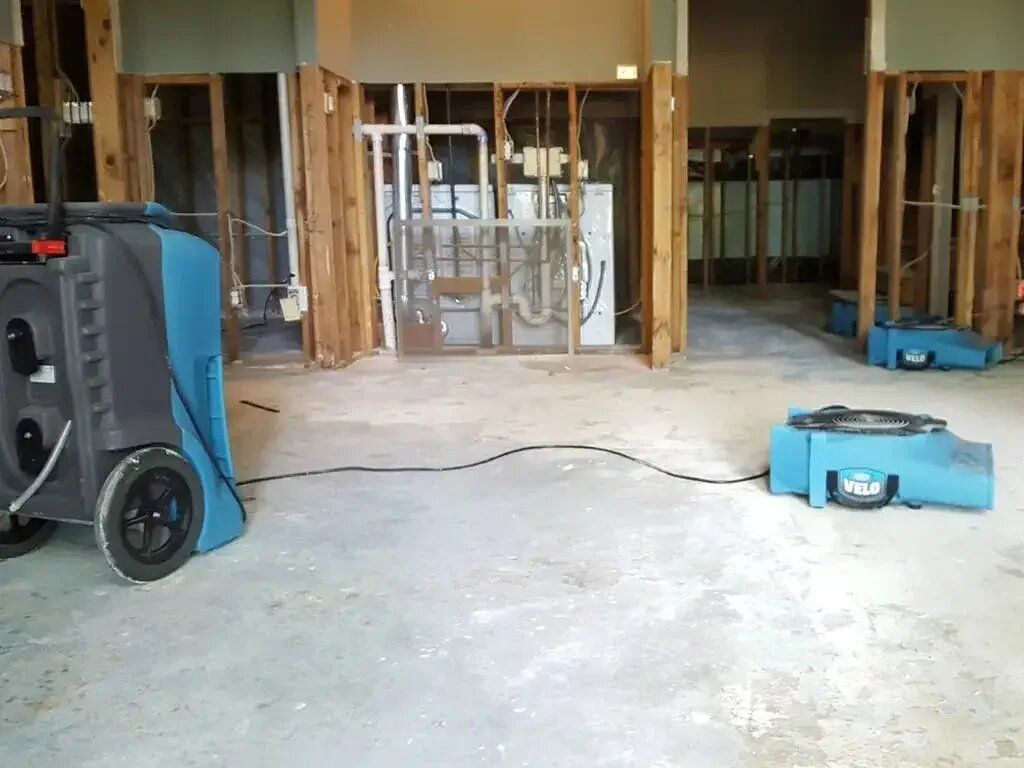
High-powered extraction equipment removes standing water quickly. Commercial-grade drying and dehumidification systems then control airflow and humidity to pull moisture out safely. The process continues until moisture levels return to normal.
Pompano Mold Inspection and Testing regularly applies these methods in Lighthouse Point homes as part of water damage repair and moisture control services.
Water Damage Repair and Mold Risk
In coastal South Florida, mold can begin developing within 24 to 48 hours after water exposure. Mold often grows in hidden areas such as behind walls or under floors, making early water damage repair critical.
Proper drying and moisture control significantly reduce mold risk. If water damage is extensive or prolonged, mold inspection and testing may be recommended to ensure conditions are safe before repairs are completed.
The Role of AC Systems in Water Damage
AC-related water damage is one of the most common issues in Lighthouse Point homes. Clogged condensate drain lines, cracked drain pans, and frozen coils can release water into ceilings, walls, and floors.
Because AC systems operate almost continuously, these leaks can cause significant damage before they are noticed. Water damage repair often includes addressing AC moisture sources to prevent repeat incidents.
Water Damage After Storms and Heavy Rain
Storms can cause water damage even when there is no obvious roof failure. Wind-driven rain can enter through vents, flashing, and window seals. Poor drainage can also allow water to enter ground-level areas.
After storms, inspecting for early signs of water damage helps catch problems before they escalate. Professional inspection provides reassurance that hidden moisture has not been overlooked.
Preventing Future Water Damage in Lighthouse Point Homes
While not all water damage can be prevented, homeowners can reduce risk by staying proactive.
Schedule regular AC maintenance
Keep condensate drain lines clear
Inspect roofs and flashing annually
Seal windows and doors properly
Monitor indoor humidity levels
Address small leaks immediately
Inspect the home after storms
Consistent maintenance is especially important in coastal environments.
Why Local Experience Matters
Water damage repair in Lighthouse Point requires understanding coastal construction, salt air exposure, and humidity behavior. Homes in this area face different challenges than properties farther inland.
Professionals familiar with Broward County properties know where water typically hides and how to remove it effectively. Pompano Mold Inspection and Testing brings that local experience to water damage repair, moisture detection, and restoration work across Lighthouse Point and surrounding communities.
A Practical Takeaway for Homeowners
Water damage rarely resolves on its own. Early signs are warnings that moisture is already affecting the home. Acting quickly helps limit damage, reduce repair costs, and protect long-term property value.
For Lighthouse Point homeowners, understanding early warning signs and responding with proper water damage repair is one of the most effective ways to maintain a safe, durable, and well-performing home.