Why AC Moisture Repair Matters in Fort Lauderdale After Storm Damage
Storm season in South Florida brings heavy rain, strong winds, and frequent power outages. In Fort Lauderdale and nearby communities like Pompano Beach, Lighthouse Point, and Deerfield Beach, one of the most overlooked problems after a storm is moisture buildup in air conditioning systems.
Many homeowners focus on roof leaks or visible flooding, but moisture trapped inside AC systems, ducts, and air handlers can quietly lead to mold growth, poor indoor air quality, and expensive repairs if not addressed quickly.
Understanding why AC moisture repair matters—and how the issue develops—helps property owners protect their homes and avoid long-term damage.
What AC Moisture Problems Are
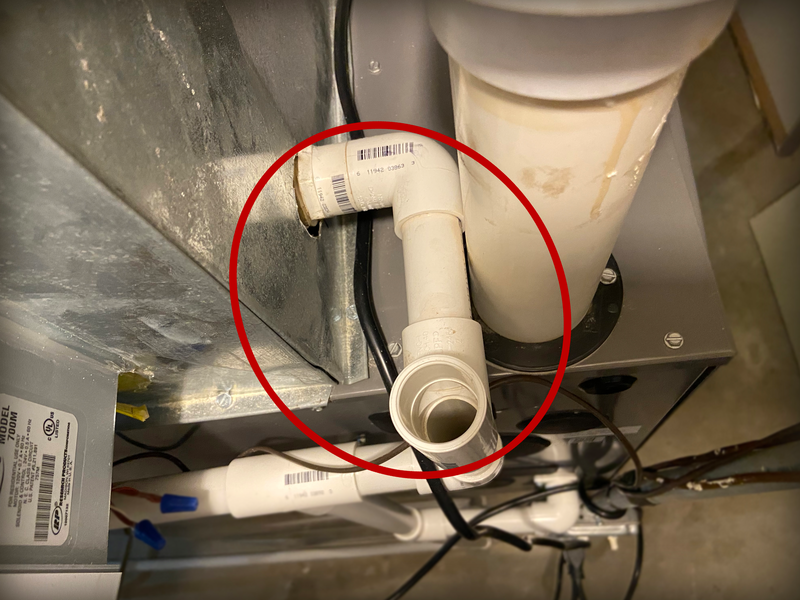
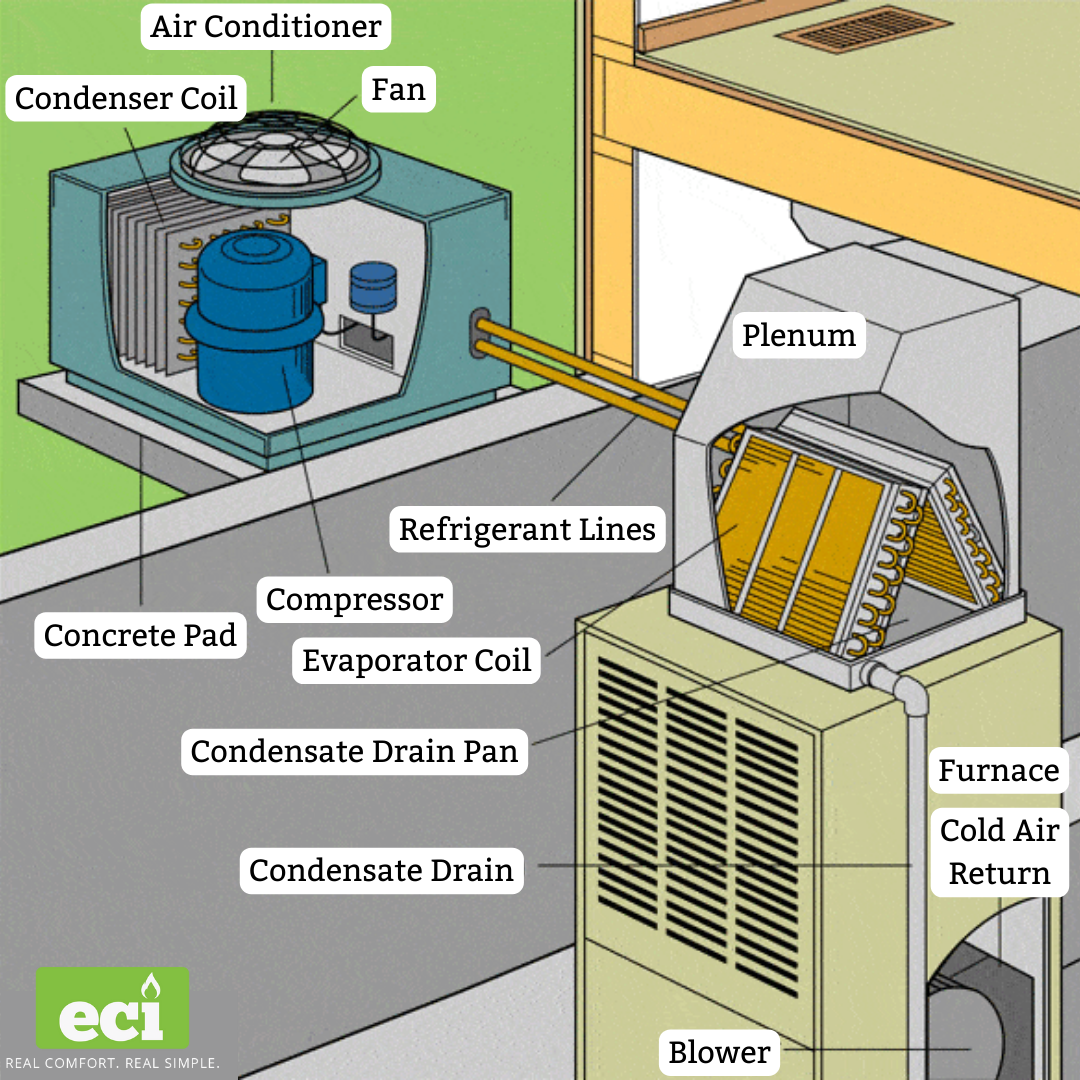
Air conditioning systems naturally remove humidity from indoor air. In normal conditions, condensation drains safely through a drain line.
After storms, however, several problems can occur:
- Drain lines clog with debris
- Air handlers take in humid air for extended periods
- Power interruptions cause systems to shut down while humidity rises
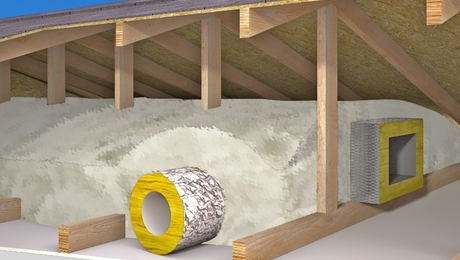
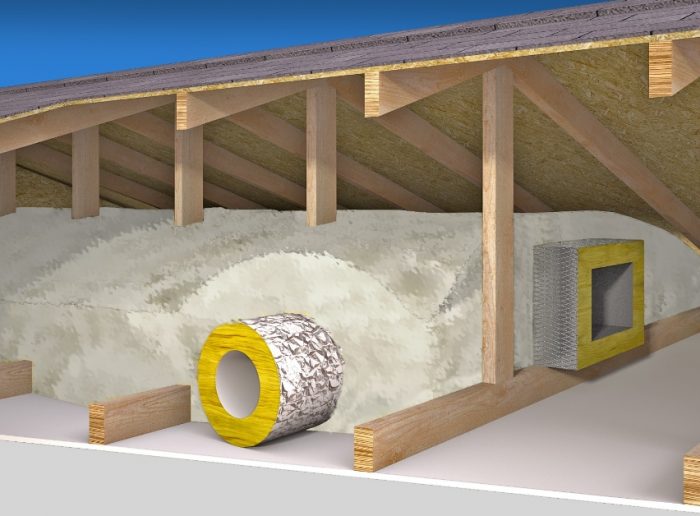
- Ductwork absorbs moisture from humid attic air
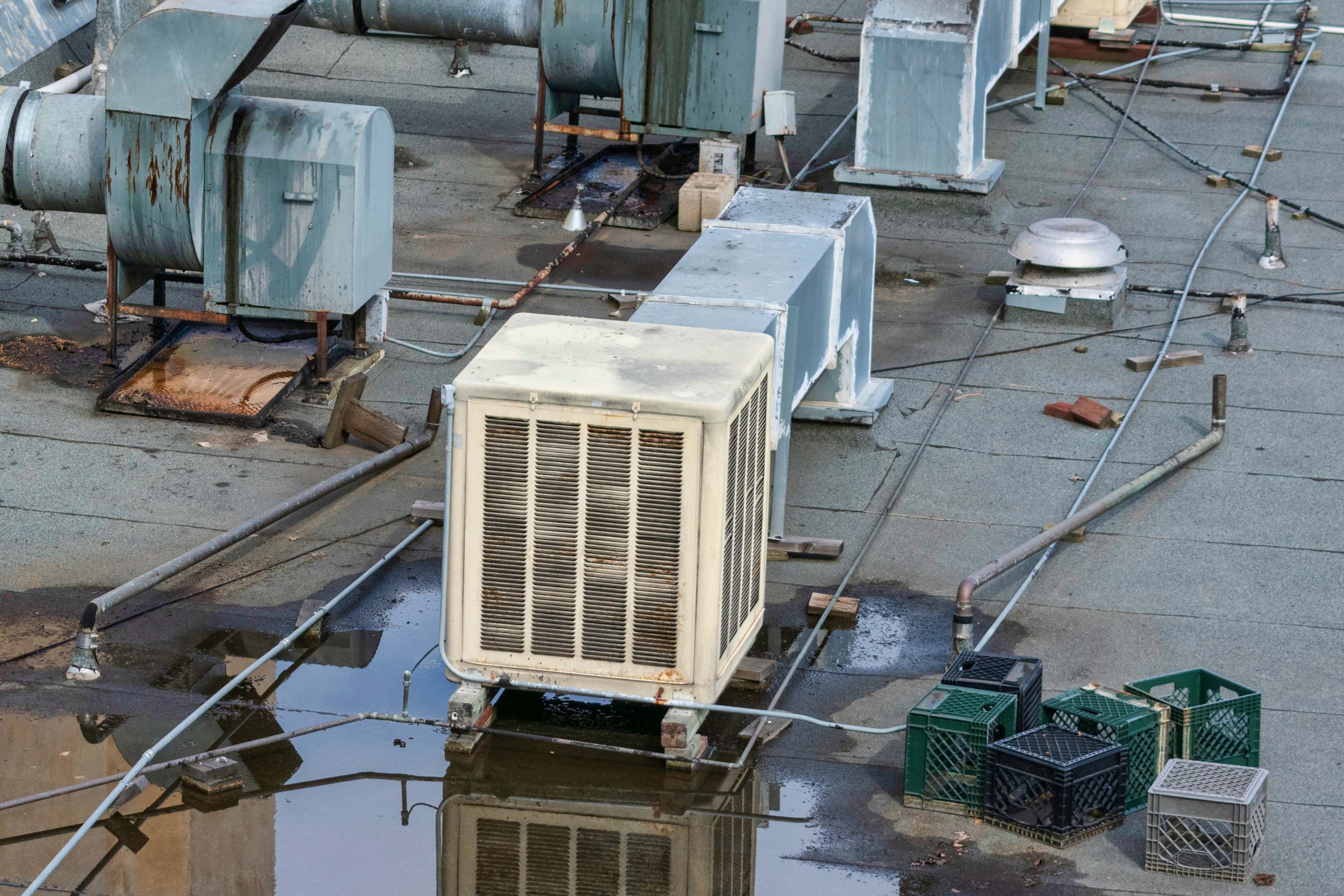
- Floodwater or roof leaks affect equipment areas
When this moisture cannot drain properly, it begins to accumulate in components that are difficult to see.
Why This Happens So Often in Fort Lauderdale
Fort Lauderdale’s climate makes AC moisture issues especially common after storms. Several local factors contribute:
High humidity levels
Even without storms, humidity remains high year-round. Storm conditions push humidity even higher, overwhelming HVAC systems.
Frequent heavy rainfall
Prolonged rain can saturate attic spaces, insulation, and ductwork.
Warm temperatures after storms
Heat returns quickly, creating ideal conditions for mold growth inside damp AC systems.
Older duct systems
Many homes in Broward County still have aging ductwork that is not sealed well, allowing humid attic air to enter.
Common Signs Homeowners Notice
AC moisture problems are often subtle at first. Homeowners in Fort Lauderdale and surrounding areas commonly notice:
- Musty odors when the AC turns on
- Weak airflow from vents
- Water stains near air handlers or ceiling vents
- Increased indoor humidity
- Allergy-like symptoms or irritation indoors
- AC running longer than usual
These signs often appear days or even weeks after a storm, making the connection easy to miss.
Hidden or Overlooked Sources
Moisture problems are not always visible. In many homes, the most serious damage occurs in hidden areas:
- Inside duct insulation
- Behind air handler panels
- Under evaporator coils
- In drain pans and drain lines
- Inside return ducts in humid attics
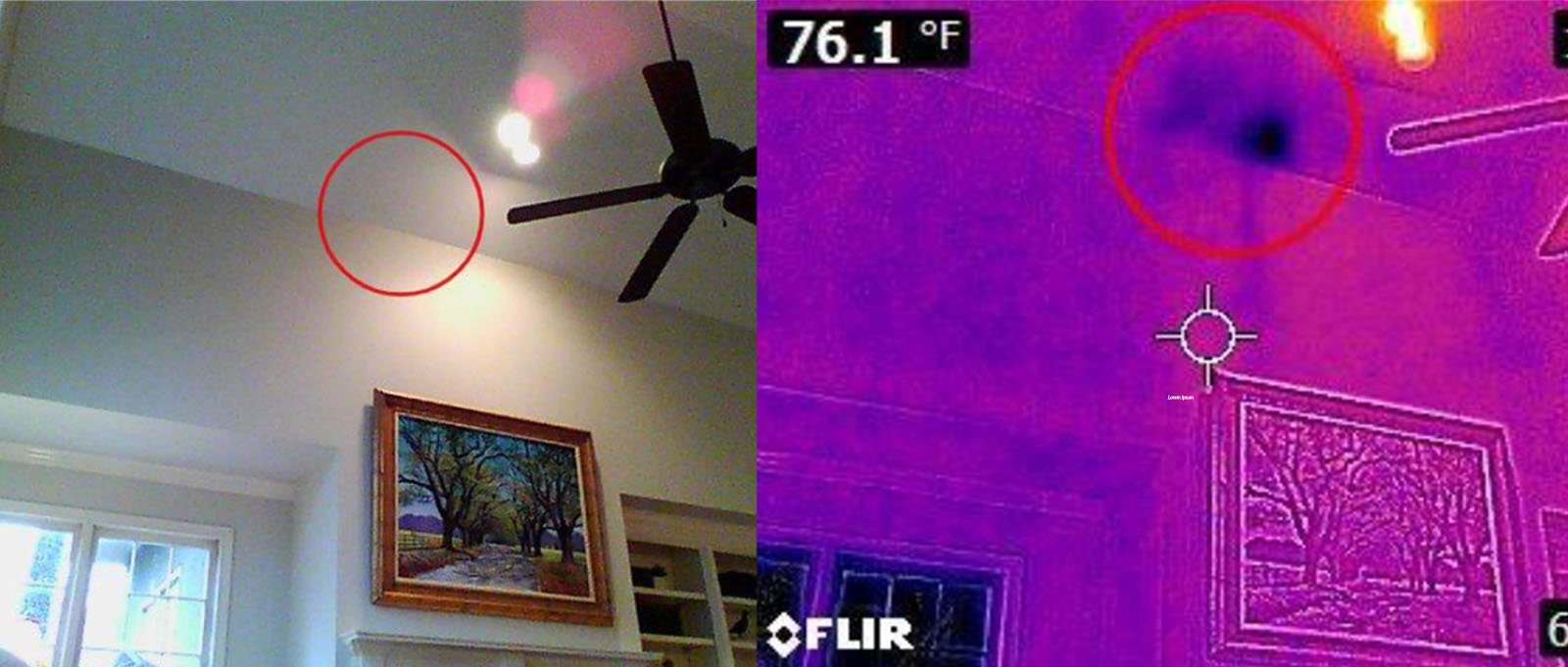
Moisture detection tools are often required to locate these issues accurately. Without inspection, moisture can remain trapped and lead to mold growth.
Why DIY Moisture and Mold Cleanup Usually Fails
Many homeowners attempt to solve moisture issues themselves by cleaning visible areas or running portable dehumidifiers. While these steps may help temporarily, they rarely solve the root cause.
Common DIY limitations include:
- Not identifying hidden moisture in ducts
- Missing clogged or partially blocked drain lines
- Incomplete drying of insulation and equipment
- Using household cleaners that do not address microbial growth
Improper cleaning can even spread contamination through the HVAC system.
Professional Mold Inspection and Testing Explained
After storm damage, a professional inspection focuses on locating moisture and determining whether mold growth has begun.
A thorough inspection typically includes:
- Visual examination of the air handler and ducts
- Moisture meter readings in surrounding materials
- Thermal imaging to detect hidden moisture
- Air or surface testing when needed
Professionals with experience in Broward County conditions understand where moisture tends to accumulate and how storms affect HVAC systems differently than everyday humidity.
Companies like Pompano Mold Inspection and Testing often see AC moisture issues develop within days after storms, especially in homes where systems ran continuously during humid conditions.
Proper Mold Removal and Remediation Process
If mold or microbial growth is present, remediation involves more than surface cleaning.
A proper process usually includes:
- Containment of affected areas if necessary
- Removal of contaminated materials when required
- Cleaning and treatment of HVAC components
- HEPA filtration during cleaning
- Thorough drying of all affected surfaces
Drying is one of the most critical steps. Without it, mold can return even after cleaning.
Flood Restoration and Water Damage Repair
Storm damage sometimes involves more than humidity. Floodwater or roof leaks can directly affect HVAC systems.
In these situations, restoration may involve:
- Water extraction
- Drying structural materials
- Repairing insulation and drywall
- Cleaning contaminated areas
- Rechecking moisture levels after drying
Flood restoration and AC moisture repair often go hand in hand after severe storms.
Air Ducts, AC Systems, and Mold
Ductwork plays a major role in indoor air quality. When ducts become damp:
- Mold spores can spread through the home
- Dust and debris trap moisture
- Insulation inside ducts can deteriorate
Air duct cleaning becomes important when contamination or heavy debris buildup is present. Cleaning helps restore airflow and reduce indoor pollutants.
Homes in Fort Lauderdale and Coconut Creek with attic duct systems are particularly vulnerable after storms because attic humidity rises quickly.
How to Prevent AC Moisture Problems in South Florida Homes
Prevention is always easier than repair. Homeowners can reduce risk by:
- Checking AC drain lines regularly
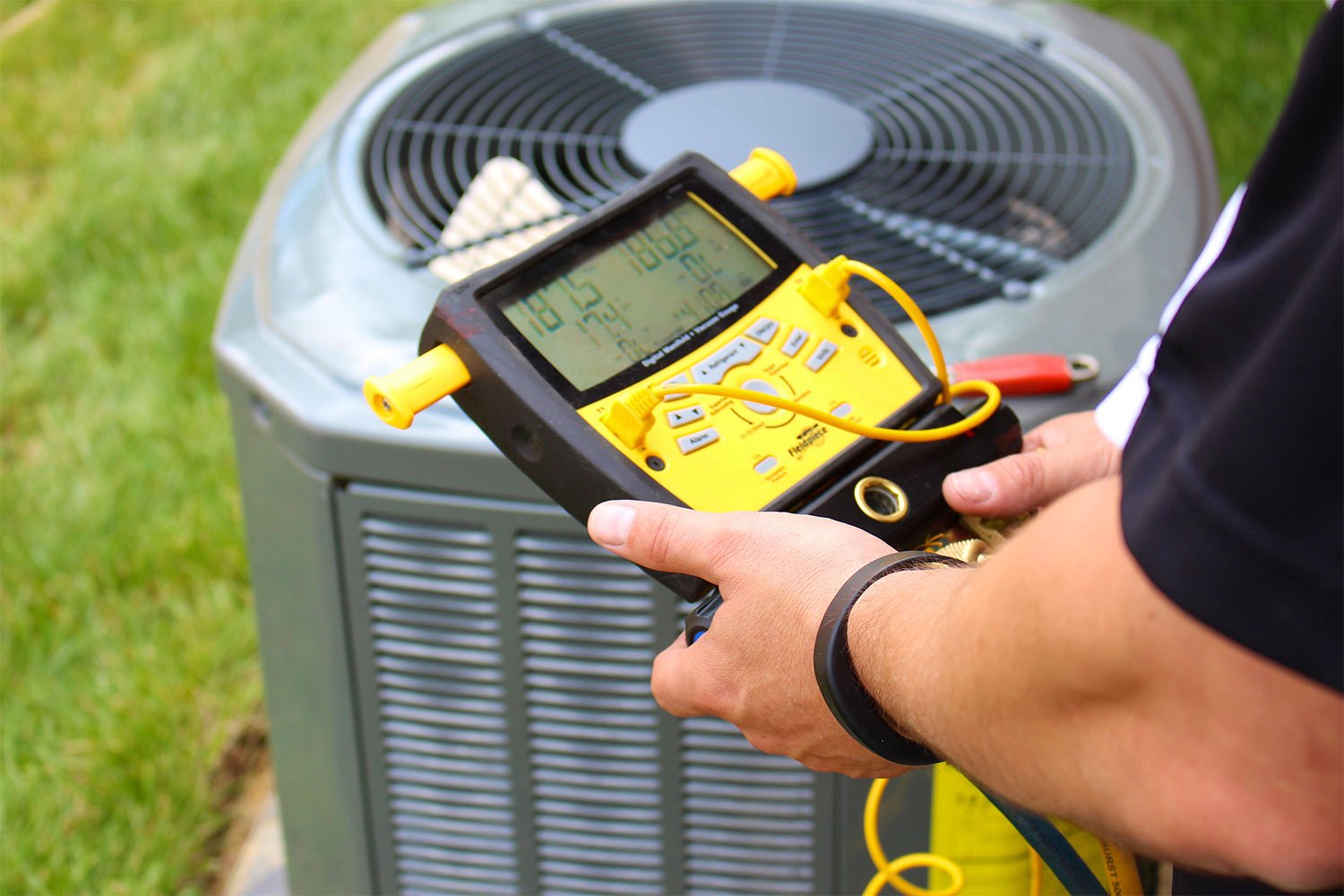
- Scheduling routine HVAC maintenance
- Keeping attic ventilation in good condition
- Sealing duct leaks
- Using a whole-home dehumidifier if needed
- Inspecting the AC area after storms
Even simple steps like checking for standing water near air handlers can prevent larger problems.
Why Local Experience Matters
AC moisture issues in South Florida are different from those in other climates.
Professionals familiar with conditions in Fort Lauderdale, Pompano Beach, Margate, and Lauderdale-by-the-Sea understand:
- How storms affect humidity levels
- Where moisture tends to accumulate in local home designs
- How duct systems behave in hot attics
- The importance of fast drying in tropical climates
Local knowledge helps identify problems faster and prevent recurring damage.
A Calm, Practical Next Step
After a storm, it’s easy to overlook what cannot be seen. If musty odors, humidity problems, or airflow issues appear, it may be time to have the system checked.
A careful inspection helps determine whether moisture is present and whether repairs or cleaning are needed. Addressing the problem early protects both the home and indoor air quality.
Many property owners across Fort Lauderdale and nearby communities rely on experienced local professionals such as Pompano Mold Inspection and Testing to identify moisture issues, perform testing, and recommend practical solutions that prevent long-term damage.