

Why Carpet Cleaning After Water Damage Matters in Pompano Beach in Humid Florida Summers
Water damage is a common issue for homes in Pompano Beach, especially during Florida’s long, humid summers. Heavy rain, sudden storms, plumbing leaks, and AC-related moisture problems can all leave carpets wet or damp. While it may be tempting to let carpets dry on their own or focus only on visible water removal, what happens beneath the surface is often far more important. Proper carpet cleaning after water damage plays a critical role in protecting the home, preventing mold growth, and avoiding long-term issues that are difficult to reverse.
In Pompano Beach, water-damaged carpets are rarely just a cosmetic concern. The combination of moisture and high humidity creates conditions where problems can escalate quickly if carpets are not addressed correctly.
How Water Damage Affects Carpets in Humid Conditions
Carpets are designed to absorb and hold moisture. When water enters the home, carpet fibers, padding, and the subfloor beneath can all become saturated. In Florida’s humid climate, this moisture does not evaporate easily. Instead, it lingers, trapped within layers that are not visible from the surface.
During summer months, humidity levels remain high even when air conditioning is running. This slows drying and allows moisture to remain in carpets much longer than homeowners expect. Damp carpets become a prime environment for mold growth, odors, and material breakdown if not properly cleaned and dried.
Why Pompano Beach Homes Face Higher Risk
Pompano Beach experiences frequent rainstorms, high groundwater levels, and long cooling seasons. Storm water intrusion, minor flooding, roof leaks, and plumbing failures are all common sources of water damage. AC systems also contribute through condensation leaks or clogged drain lines, especially when systems run continuously.
Nearby areas such as Lighthouse Point, Deerfield Beach, and Fort Lauderdale face similar challenges, but coastal humidity often intensifies drying difficulties in Pompano Beach homes. Even small amounts of water can create lasting problems when combined with summer heat and moisture.
Early Signs of Carpet Problems After Water Damage
Some carpet issues become obvious quickly, while others develop over time. Homeowners may notice damp or squishy areas underfoot, lingering musty odors, or discoloration along carpet edges. In some cases, carpets may appear dry on the surface but feel cool or heavy, indicating moisture below.
Other warning signs include increased indoor humidity, baseboards that begin to warp, or mold spots appearing near carpeted areas. These symptoms often point to moisture trapped in carpet padding or the subfloor.
Hidden Moisture Beneath the Carpet
One of the biggest risks after water damage is hidden moisture. Carpet padding acts like a sponge, absorbing and holding water even after the surface appears dry. Moisture can also seep into the subfloor, especially in homes with slab foundations common throughout Broward County.
Without proper cleaning and extraction, this trapped moisture remains in place. In humid Florida summers, it creates ideal conditions for mold growth beneath the carpet, where it can spread unnoticed for weeks.
Why Air Drying Is Not Enough
Many homeowners rely on fans or air conditioning to dry wet carpets. While this may help with surface moisture, it rarely removes water trapped in padding or subfloors. Air drying alone does not address contaminants carried by the water or residue left behind.
In some cases, surface drying can actually trap moisture below by sealing the top layer while deeper layers remain wet. This often leads to odors, recurring dampness, and mold growth that reappears after initial cleanup.
Professional Carpet Cleaning After Water Damage Explained
Professional carpet cleaning after water damage involves more than standard cleaning. The process begins with inspection to determine how much water the carpet and padding absorbed and whether contamination is present. Moisture detection tools help identify damp areas that are not visible.
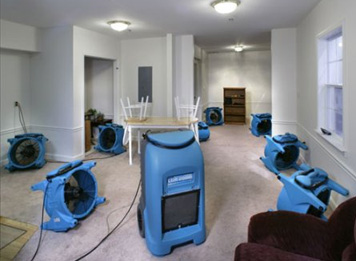
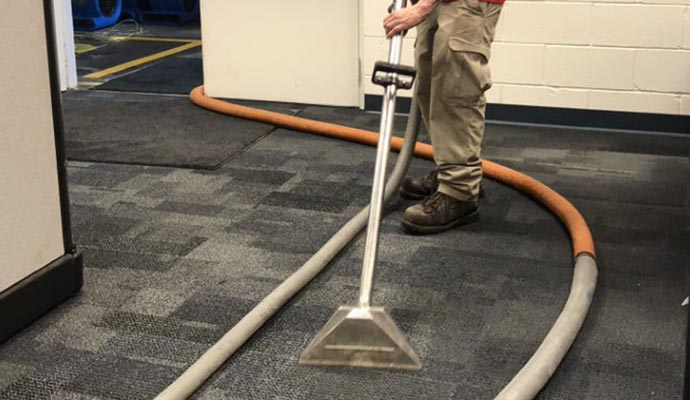
Water extraction equipment is used to remove as much moisture as possible from carpet fibers and padding. In some cases, padding may need to be removed if it cannot be properly dried. Cleaning helps remove residue and contaminants, while controlled drying ensures moisture levels return to safe ranges.
This process is especially important in Pompano Beach homes, where humidity slows natural drying.
Connection Between Carpet Moisture and Mold Growth
Mold cannot grow without moisture. Wet or damp carpets provide an ideal environment for mold, especially when humidity remains high. Mold often begins growing beneath the carpet, where it is not immediately visible.
Once mold develops, it can spread into baseboards, walls, and indoor air systems. Proper carpet cleaning and drying after water damage significantly reduce the risk of mold taking hold in the first place.
Water Damage Repair and Carpet-Related Issues
Carpet cleaning is often part of a larger water damage response. Leaks, flooding, or AC-related moisture issues must be addressed to prevent repeat problems. Without correcting the source of water intrusion, even professionally cleaned carpets may become wet again.
Water damage repair may involve plumbing fixes, AC moisture repairs, or improvements to drainage and ventilation. Addressing these issues alongside carpet cleaning helps protect the entire home.
AC Systems, Humidity, and Carpet Drying
Air conditioning systems play a major role in carpet drying during Florida summers. While AC helps reduce humidity, condensation problems or restricted airflow can introduce additional moisture. Duct issues may also affect how well a home dries after water damage.
Evaluating AC performance and airflow is often part of an effective drying strategy. Proper humidity control supports faster drying and reduces the chance of lingering moisture in carpets.
Preventing Future Carpet Problems After Water Damage
Prevention starts with quick action. After water intrusion, carpets should be assessed as soon as possible. Early water removal and cleaning reduce the amount of moisture that penetrates padding and subfloors.
Regular maintenance of plumbing, roofs, and AC systems helps reduce the risk of future water damage. Monitoring indoor humidity and addressing moisture issues early also protect carpets over the long term.
Why Local Experience Matters
Carpet cleaning after water damage in Pompano Beach requires an understanding of local conditions. Florida’s humidity, construction styles, and common moisture sources all influence how carpets respond to water exposure. Local experience helps ensure that cleaning and drying methods are appropriate for the environment.
Pompano Mold Inspection and Testing brings that local knowledge to carpet cleaning, moisture detection, water damage services, and mold-related assessments throughout Pompano Beach, Lighthouse Point, Deerfield Beach, Margate, Coconut Creek, North Lauderdale, Fort Lauderdale, and surrounding Broward County communities.
A Smart Step for Summer Water Damage
In humid Florida summers, wet carpets should never be ignored. Proper carpet cleaning after water damage protects the home from mold, odors, and long-term material damage. Taking prompt, informed action helps Pompano Beach homeowners preserve their carpets, maintain indoor comfort, and prevent small water issues from becoming lasting problems.
