Why Flood Restoration Matters in Deerfield Beach After Heavy Rain
Heavy rain is a regular part of life in Deerfield Beach, especially during summer and storm season. While many homeowners focus on removing standing water and drying visible areas, the real risks of water damage often develop out of sight. Moisture can soak into drywall, flooring, insulation, and structural materials, creating conditions that lead to long-term damage if not properly addressed.
Flood restoration is not just about cleaning up water—it is about protecting the structure of a home, preventing mold growth, and restoring safe indoor conditions. Understanding why flood restoration matters helps homeowners, landlords, and property managers respond effectively after heavy rain.
What Flood Damage Really Is
Flood damage occurs when water enters a home and remains in contact with building materials long enough to be absorbed. Even minor flooding or slow water intrusion can affect:
- Carpet and padding
- Drywall and insulation
- Wood framing and baseboards
- Cabinets and flooring
- HVAC systems and ductwork
Because many of these materials are porous, moisture can remain trapped long after surfaces appear dry.
Why Heavy Rain Causes Flooding in Deerfield Beach
Deerfield Beach and nearby communities such as Pompano Beach, Lighthouse Point, Margate, Coconut Creek, North Lauderdale, Lauderdale-by-the-Sea, and Fort Lauderdale frequently experience intense rainfall and high humidity. Several factors increase the risk of flooding and water intrusion:
Heavy Downpours
Storms can produce large amounts of rain in a short time, overwhelming drainage systems and causing water to enter homes through doors, garages, or low points.
Poor Drainage Around Foundations
Improper grading or clogged gutters can allow water to pool near foundations and seep indoors.
Roof and Window Leaks
Wind-driven rain can enter through small gaps around roofs, windows, or doors, especially in older homes.
Saturated Soil and High Humidity
Even without visible flooding, damp soil and humid air can increase moisture levels inside buildings.
Because drying takes longer in humid climates, materials remain damp longer than expected.
Early Signs of Flood Damage Homeowners Notice
Flood damage often presents warning signs before serious problems develop. Common indicators include:
- Damp or musty odors
- Warped baseboards or flooring
- Staining on walls or ceilings
- Carpet that feels damp or cool
- Increased indoor humidity
- Peeling paint or bubbling drywall
These signs suggest moisture may still be present even if visible water has been removed.
Hidden Damage That Often Goes Unnoticed
One of the main reasons flood restoration matters is that much of the damage occurs in areas homeowners cannot see. Inspections frequently reveal moisture in:
- Carpet padding and subflooring
- Wall cavities near baseboards
- Attic insulation affected by roof leaks
- Air handler closets and ductwork
- Cabinets and storage areas
Because these areas remain enclosed, moisture can remain trapped for weeks if not properly dried.
Why Immediate Flood Restoration Is Important
Prompt flood restoration helps prevent several long-term problems.
Preventing Mold Growth
Mold can begin developing in damp materials within a short period of time. Proper drying reduces the risk of mold growth in walls, flooring, and insulation.
Protecting Structural Materials
Wood framing and drywall can weaken when moisture remains present. Drying helps preserve structural integrity.
Improving Indoor Air Quality
Damp materials often create persistent odors and airborne particles that affect indoor comfort.
Reducing Repair Costs
Addressing water damage early is usually less expensive than replacing materials later.
Professional Flood Restoration Process Explained
A professional flood restoration process follows a structured approach to ensure thorough drying and repair.
Initial Inspection and Assessment
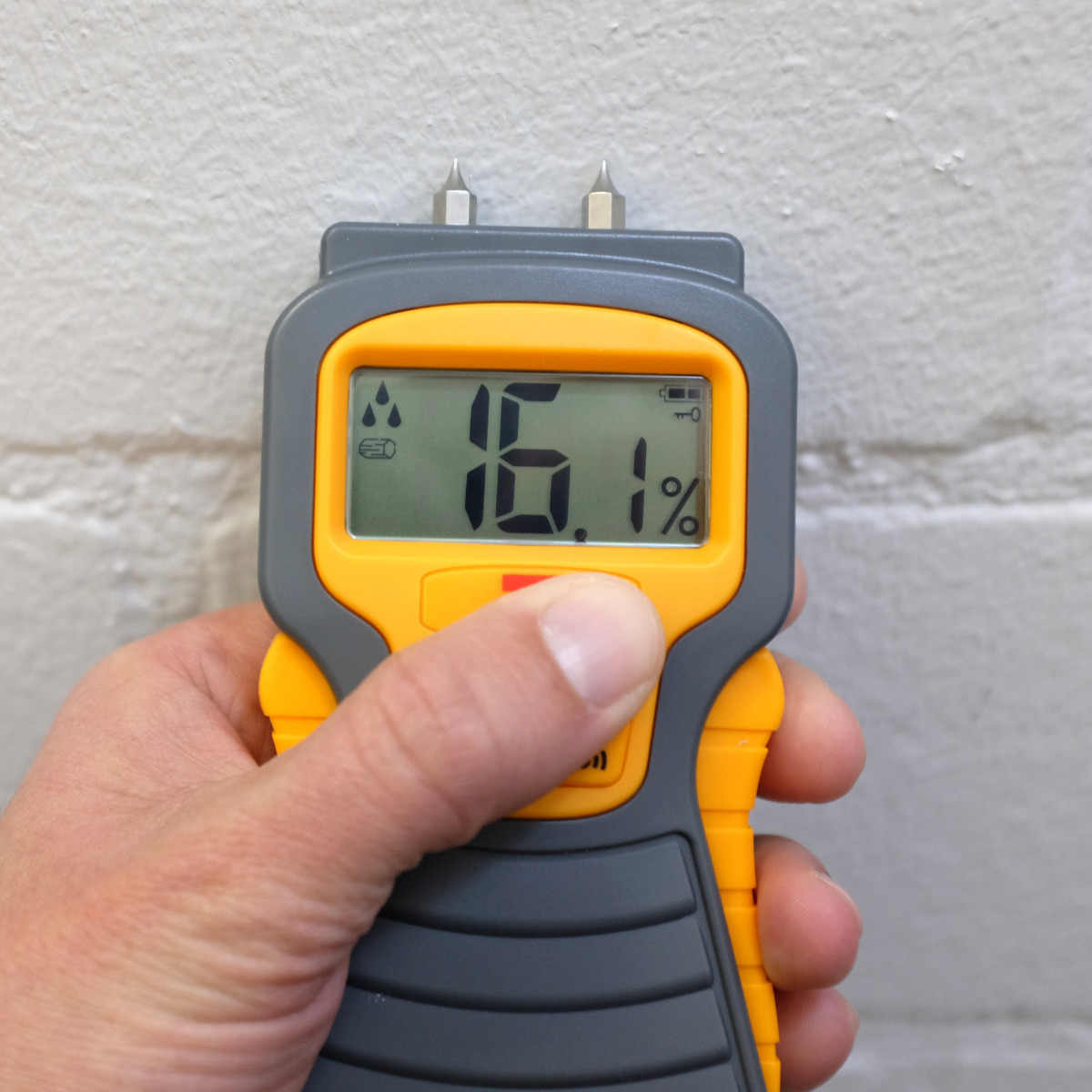
The process begins by identifying the source of water intrusion and evaluating how far moisture has spread. Moisture detection tools help locate hidden dampness.
Water Removal
Standing water is extracted using specialized equipment designed to remove large volumes of water quickly.
Drying and Dehumidification
Air movers and dehumidifiers are used to remove moisture from the air and building materials. Drying continues until safe moisture levels are reached.
Moisture Monitoring
Moisture levels are checked regularly to ensure materials are drying properly and to identify any hidden damp areas.
Cleaning and Restoration
After drying is complete, affected materials may be cleaned, repaired, or replaced as necessary.
Pompano Mold Inspection and Testing assists property owners in Deerfield Beach by evaluating moisture conditions, identifying hidden water damage, and recommending effective restoration steps.
Proper Mold Removal and Remediation When Needed
If moisture has already allowed mold to develop, remediation may be necessary. Proper remediation focuses on:
- Identifying and correcting moisture sources
- Removing contaminated materials when necessary
- Cleaning structural surfaces
- Using air filtration equipment
- Confirming dryness before repairs
Correcting the moisture source is essential to prevent mold from returning.
Air Ducts, AC Systems, and Flood Damage
Flooding and heavy rain can also affect HVAC systems. Moisture may enter ductwork or air handlers, leading to odors or reduced airflow.
Common HVAC-related issues after flooding include:
- Wet duct insulation
- Condensation buildup
- Debris entering return ducts
- Reduced airflow from damp components
Air duct cleaning and system inspections may be recommended when moisture is detected.
Risks of Ignoring Flood Damage
Ignoring flood damage can lead to serious long-term problems:
- Mold growth inside walls and ceilings
- Structural deterioration of wood and drywall
- Persistent odors and humidity
- Damage to flooring and insulation
- Increased repair costs over time
Because moisture often spreads beyond the original entry point, damage may worsen even after visible water disappears.
Prevention Methods After Heavy Rain
While storms cannot be prevented, several steps can reduce the risk of flooding and water damage:
- Inspect roofs and gutters regularly
- Keep drainage systems clear
- Ensure grading directs water away from the home
- Seal gaps around windows and doors
- Service air conditioning systems regularly
- Monitor indoor humidity levels
- Dry wet areas immediately after storms
Routine maintenance helps reduce the likelihood of serious flood damage.
Why Local Experience Matters
Homes in Deerfield Beach face environmental conditions that differ from many other regions. High humidity, frequent storms, and warm temperatures all influence how moisture behaves inside buildings. Professionals familiar with Broward County homes understand common moisture pathways and can identify problems more quickly.
Local experience ensures that restoration efforts address both immediate damage and long-term prevention.
Calm, Trust-Based Call to Action
If your Deerfield Beach home has experienced heavy rain, musty odors, or signs of water intrusion, flood restoration can help prevent long-term damage and protect indoor air quality. Early action often reduces repair costs and helps restore comfortable living conditions.
Pompano Mold Inspection and Testing works with homeowners and property managers across Deerfield Beach and surrounding communities to identify hidden moisture, evaluate water damage, and recommend practical restoration solutions.