

Why Mold Inspection and Testing Matters in Lighthouse Point Coastal Homes
Living in Lighthouse Point offers waterfront views, ocean breezes, and a unique coastal lifestyle. It also comes with environmental conditions that make mold a real concern for homeowners. High humidity, salt air, frequent storms, and year-round AC use create an environment where moisture easily finds its way into homes. When moisture lingers, mold becomes a risk—often long before visible signs appear.
This guide explains why mold inspection and testing are especially important in Lighthouse Point coastal homes, how mold issues typically develop, and how professional evaluation helps protect property value and indoor conditions.
Understanding Mold in Coastal Homes
Mold is a natural organism that thrives in damp environments. In Lighthouse Point homes, mold does not usually appear because of neglect. It develops because moisture enters places that are difficult to see or dry, such as wall cavities, attics, insulation, and ductwork.
Coastal homes are exposed to moisture from multiple sources at once. Even when a home looks clean and well-maintained, hidden moisture can create conditions that allow mold to grow quietly over time.
Why Lighthouse Point Homes Face Higher Mold Risk
Several local factors increase mold risk in Lighthouse Point. Proximity to the ocean means higher ambient humidity and salt-laden air. Salt accelerates corrosion of metal components, increasing the likelihood of plumbing leaks, AC drain pan deterioration, and roof flashing failure.
Frequent storms bring wind-driven rain that can enter through roofs, vents, windows, and doors. Many homes are built on slab foundations, which can allow moisture to migrate upward into flooring and walls. AC systems run most of the year, producing condensation that must be managed carefully.
Nearby coastal areas such as Lauderdale-by-the-Sea and Fort Lauderdale experience similar conditions, but Lighthouse Point’s waterfront exposure often intensifies these challenges.
How Mold Develops Without Being Seen
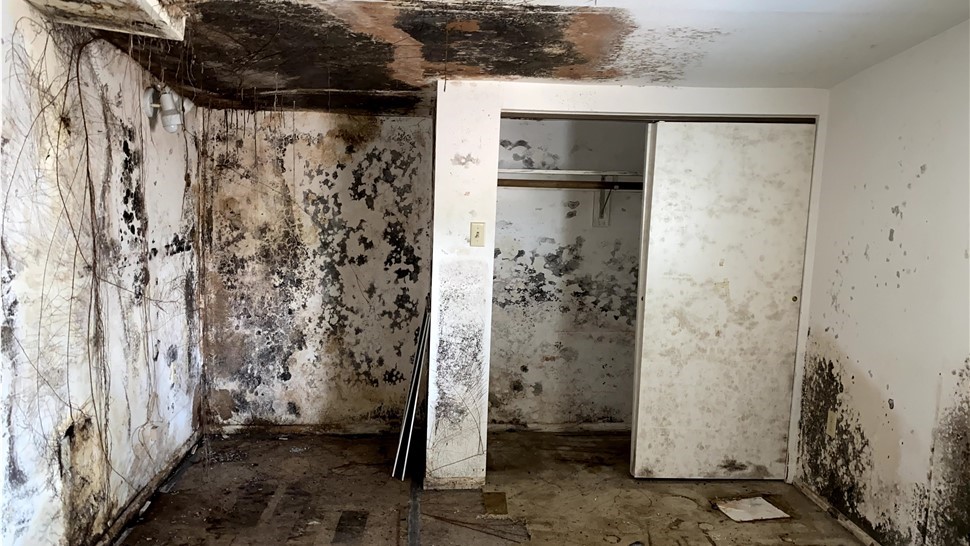
One of the most common misconceptions is that mold is always visible. In reality, mold often grows behind drywall, above ceilings, under flooring, or inside air ducts. These areas stay dark, warm, and undisturbed—ideal conditions for mold growth.
By the time mold appears on a wall or ceiling, it has usually been present elsewhere for some time. Mold inspection and testing help identify problems before they reach that stage.
Common Situations That Lead to Mold Growth
In Lighthouse Point coastal homes, mold issues frequently follow specific events or conditions, including:
Roof leaks after storms
Plumbing leaks inside walls or under floors
AC condensate drain backups
High indoor humidity over extended periods
Flooding or storm surge in ground-level areas
Wet insulation in attics
Moisture buildup inside air ducts
Even when repairs are made, mold can remain if moisture was not fully removed.
Early Signs Homeowners Often Overlook
Mold problems often present subtle warning signs. Homeowners should pay attention to:
Persistent musty or damp odors
Discoloration on walls or ceilings
Peeling paint or bubbling drywall
Excessive indoor humidity
Allergic-type reactions indoors
Uneven cooling or stale air
Mold growth in closets or bathrooms
These signs suggest moisture and possible mold presence, even if growth is not immediately visible.
Why Visual Inspections Alone Are Not Enough
Looking for mold on visible surfaces only tells part of the story. Coastal homes often have mold growth in areas that are not easily accessible. Attics, wall cavities, and duct systems are common problem zones.
Mold inspection goes beyond surface checks. It includes moisture detection, evaluation of hidden areas, and testing when needed to confirm whether mold is present and under what conditions it is growing.
What Mold Inspection and Testing Actually Involves
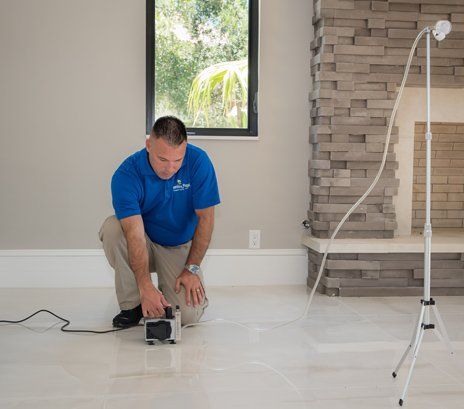
Professional mold inspection begins with understanding the home’s layout, history, and moisture conditions. Inspectors evaluate areas prone to moisture, such as roofs, attics, AC systems, ducts, bathrooms, and kitchens.
Moisture meters and thermal imaging help identify damp materials behind walls or ceilings. When appropriate, air or surface samples may be collected to determine the presence and type of mold. The goal is not to alarm homeowners, but to provide clear, useful information.
Pompano Mold Inspection and Testing regularly performs these inspections in Lighthouse Point coastal homes to help owners understand what is happening beneath the surface.
The Role of Mold Testing in Coastal Properties
Mold testing is especially valuable in coastal homes because moisture conditions can fluctuate. Testing helps establish whether mold levels are elevated and whether indoor conditions differ from normal outdoor levels.
For homeowners planning repairs, renovations, or property sales, testing provides documentation that supports informed decisions. It also helps avoid unnecessary remediation when mold is not present or conditions are within normal ranges.
Mold, Moisture, and Indoor Air Quality
Mold growth affects more than building materials. As mold develops, spores can circulate through the air, especially when HVAC systems run. In coastal homes with ductwork running through attics or wall cavities, this can affect the entire property.
Mold inspection helps identify whether indoor air quality may be impacted by hidden growth. Addressing moisture and mold together supports healthier indoor conditions and long-term property performance.
Why DIY Mold Testing Often Falls Short
Home test kits and surface cleaning may seem like quick solutions, but they rarely provide meaningful answers. DIY kits cannot identify hidden mold or evaluate moisture conditions inside building materials.
Without professional tools and experience, homeowners may either underestimate a real issue or worry unnecessarily. Professional inspection and testing provide accurate information tailored to the specific conditions of Lighthouse Point homes.
Mold Inspection After Storms and Water Damage
After storms, roof leaks, or flooding, mold inspection becomes especially important. Even if water damage appears minor, moisture may have spread into hidden areas.
Testing after these events helps confirm whether drying was effective and whether mold conditions developed. Early inspection often prevents larger remediation projects later.
Preventing Mold in Lighthouse Point Coastal Homes
While mold cannot be eliminated entirely from the environment, homeowners can reduce risk through consistent moisture management.
Maintain AC systems regularly
Keep condensate drain lines clear
Inspect roofs and flashing annually
Address leaks immediately
Monitor indoor humidity levels
Ensure proper attic ventilation
Schedule inspections after storms
These steps are especially important in coastal environments.
Why Local Experience Matters
Mold inspection in Lighthouse Point requires understanding how coastal humidity, salt air, and local construction styles affect moisture behavior. Homes near the water face different challenges than inland properties.
Professionals familiar with Broward County coastal homes know where mold typically develops and how to interpret inspection and testing results accurately. Pompano Mold Inspection and Testing brings that local experience to Lighthouse Point and surrounding communities.
A Practical Perspective for Coastal Homeowners
Mold issues in coastal homes are rarely obvious at first. Waiting for visible growth often means the problem is already advanced. Mold inspection and testing provide clarity, not fear, allowing homeowners to make informed decisions.
For Lighthouse Point homeowners, proactive inspection helps protect property value, indoor conditions, and peace of mind. In a coastal environment where moisture is constant, understanding what is happening inside the home is one of the smartest steps a property owner can take.