
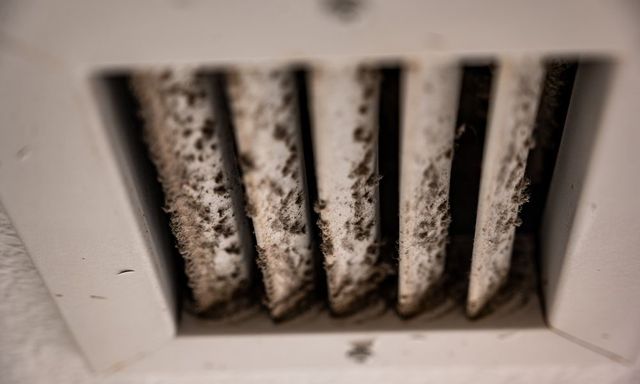

In North Lauderdale, air conditioning runs almost year-round. It keeps homes comfortable, but it also produces a constant byproduct many homeowners underestimate: moisture. When AC condensation isn’t managed properly, it becomes one of the most common hidden causes of mold growth in local homes. Mold inspection plays a critical role in identifying these issues early, before they turn into costly repairs or ongoing indoor moisture problems.
AC-related mold issues are rarely dramatic at first. They develop quietly, often out of sight, making inspection an essential step for homeowners who want clarity instead of guesswork.
How AC Condensation Leads to Mold Growth
Air conditioners remove humidity from indoor air as part of normal operation. Moisture forms on the evaporator coils and should drain safely through a condensate line. When that system works correctly, condensation never becomes a problem.
In North Lauderdale homes, issues arise when drain lines clog, drip pans crack, airflow becomes restricted, or duct insulation fails. Water escapes into walls, ceilings, or ductwork, creating damp conditions that allow mold to develop.
Because this moisture is ongoing rather than sudden, mold has time to grow without obvious warning signs.
Why North Lauderdale Homes Are Especially Affected
North Lauderdale’s climate makes AC condensation issues more likely. High humidity levels force systems to work harder and produce more moisture. Frequent rain and saturated ground add to indoor moisture levels, especially in slab foundation homes.
Many houses rely on older HVAC designs or have ductwork running through hot attics where temperature differences increase condensation. Even newer homes can trap humidity due to tight construction and limited ventilation.
These conditions make AC condensation one of the leading moisture sources found during mold inspections in North Lauderdale.
Early Signs Homeowners Often Miss
AC-related mold problems rarely start with visible growth. More often, homeowners notice indirect signs that are easy to dismiss.
Musty odors when the AC runs are one of the most common indicators. Some rooms may feel damp or uncomfortable even when cooling seems normal. Water stains near ceiling vents, air handlers, or walls may appear gradually.
In many cases, these signs point to moisture inside walls or ducts where mold can grow unnoticed.
Hidden Areas Where AC-Related Mold Develops
Mold from AC condensation often forms in places homeowners rarely inspect. Air handlers are a frequent source, especially around drain pans and internal components.
Ductwork can develop mold when condensation forms inside or when insulation becomes saturated. Attics may hide mold caused by sweating ducts combined with poor airflow.
Wall cavities near AC lines or ceiling penetrations can also trap moisture, allowing mold to spread without visible surface growth.
Why Visual Checks Are Not Enough
Seeing water stains or smelling odors doesn’t reveal the full scope of an AC moisture problem. Visual checks can’t confirm whether moisture is still present or how far it has spread.
Mold inspection uses moisture detection tools to measure dampness inside drywall, insulation, and structural materials. In some cases, air or surface testing helps confirm mold presence when growth isn’t visible.
This approach ensures that hidden mold is identified and that repairs address the real source of the problem.
How Professional Mold Inspection Addresses AC Condensation
A proper mold inspection starts with evaluating the AC system itself. Inspectors examine air handlers, drain lines, drip pans, ductwork, and surrounding building materials.
Moisture meters and thermal imaging help locate damp areas behind walls or ceilings caused by condensation. When needed, testing helps determine whether mold is present and where further attention is required.
Inspection results guide next steps, ensuring solutions are targeted rather than excessive.
The Risk of Ignoring AC-Related Mold Issues
Ignoring AC condensation issues allows moisture to continue feeding mold growth. Over time, this can weaken drywall, damage insulation, and reduce HVAC efficiency.
In North Lauderdale’s humid environment, persistent moisture also increases the chance of mold spreading into additional areas, including air ducts that circulate air throughout the home.
Early inspection helps stop this progression before damage becomes widespread.
Mold Inspection as a Preventive Tool
Mold inspection isn’t only for visible problems. In homes with frequent AC use, inspection serves as a preventive measure.
Identifying clogged drain lines, insulation failures, or early moisture buildup allows homeowners to correct issues before mold becomes established. This proactive approach is especially valuable in North Lauderdale, where moisture exposure is constant.
Prevention-focused inspections often reduce long-term repair costs and ongoing maintenance concerns.
When Mold Inspection Leads to Repairs
Inspection findings often point to specific solutions. AC condensation issues may require drain line cleaning, insulation replacement, or airflow adjustments.
In some cases, air duct cleaning or targeted mold remediation is recommended if growth is present. Moisture detection may also reveal related water issues that need attention.
Inspection ensures that repairs address both mold and the moisture causing it.
Why Local Experience Matters in North Lauderdale
AC condensation behaves differently in South Florida than in other regions. Professionals familiar with North Lauderdale understand how humidity, construction styles, and HVAC layouts affect moisture movement.
Local experience helps identify common problem areas quickly and accurately. Companies like Pompano Mold Inspection and Testing bring that regional knowledge when inspecting homes affected by AC-related moisture issues.
A Practical Reason to Take AC Condensation Seriously
AC condensation is normal. Mold growth from it is not. Mold inspection provides clarity when signs are subtle and moisture is hidden.
For North Lauderdale homeowners, understanding why mold inspection matters — especially when AC condensation is involved — helps protect the home, maintain comfort, and prevent small moisture issues from becoming long-term problems.