
Why Water Testing Matters in Deerfield Beach After Storm Damage
Storms are a regular part of life in Deerfield Beach. Heavy rain, strong winds, and occasional tropical systems can cause water intrusion even when flooding is not obvious. After a storm, many homeowners focus on visible damage, but one of the most overlooked steps is water testing. Understanding why water testing matters can help prevent hidden problems that often show up weeks or months later.
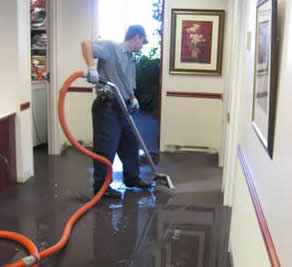
In Deerfield Beach homes, storm-related water damage is rarely limited to what can be seen on the surface. Water can move through walls, flooring, and plumbing systems, carrying contaminants and creating long-term moisture issues. Water testing provides clarity about what entered the home and what steps are needed to restore safe conditions.
What Water Testing Is and What It Tells You
Water testing is a diagnostic process used to evaluate the quality and condition of water present after a storm. It helps determine whether water intrusion involved clean water, contaminated stormwater, or water affected by plumbing or drainage systems.
In storm-damaged homes, water testing can identify contaminants that are not visible, including bacteria, debris, or residue left behind after water recedes. This information helps guide cleanup, drying, and restoration decisions.
Testing is especially important when water damage affects living spaces, kitchens, bathrooms, or areas connected to plumbing and drainage systems.
Why Storm Damage in Deerfield Beach Raises Water Quality Concerns
Deerfield Beach experiences intense rainfall during storms, and drainage systems can become overwhelmed quickly. When stormwater backs up or enters homes, it often carries contaminants from streets, landscaping, and surrounding areas.
Wind-driven rain can force water into roof systems, walls, and window assemblies. This water may mix with dust, insulation particles, or organic debris inside the structure.
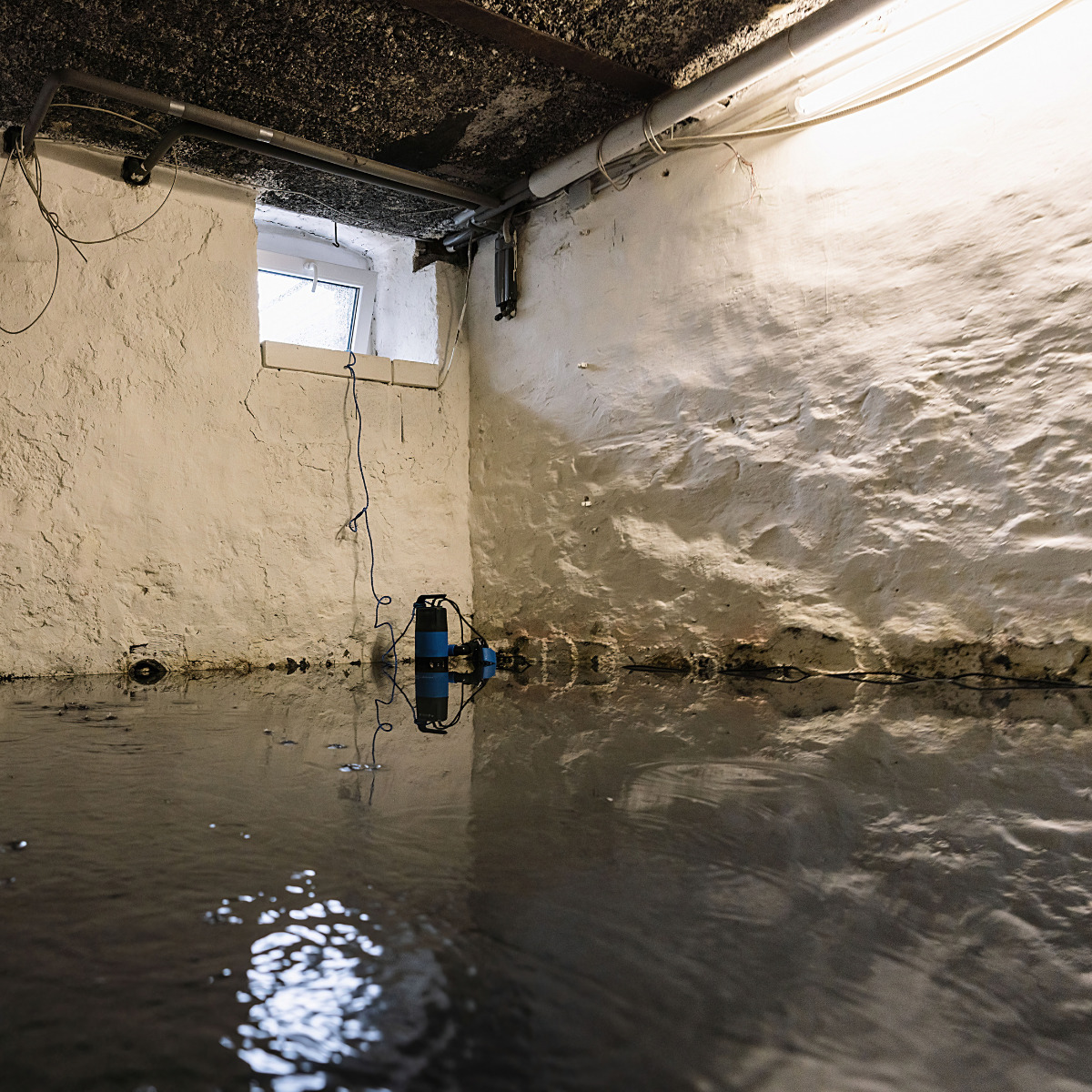
In coastal areas, stormwater may also interact with high groundwater levels, increasing the likelihood of contaminated water entering homes through slab foundations or lower-level openings.
Because stormwater does not always look dirty, homeowners may assume it is harmless. Water testing helps confirm whether that assumption is safe.
Situations Where Water Testing Is Especially Important
Water testing is often recommended after any storm-related water intrusion, even if flooding appears minor. Homes that experience roof leaks, ceiling stains, or damp flooring after storms benefit from testing.
If water entered through exterior doors, windows, or garages, testing helps determine whether contaminants were introduced. This is particularly important in homes with children, pets, or rental occupants.
Water testing is also useful when storms cause plumbing backups or drainage issues. In these cases, water may contain contaminants that require additional cleaning and treatment.
In some situations, homeowners request testing simply to confirm that cleanup and drying were effective after storm damage.
Hidden Risks of Untested Storm Water
Untested stormwater can leave behind contaminants that are not immediately noticeable. These residues can settle into flooring, carpets, wall materials, and HVAC systems.
If contaminated water is not properly addressed, odors may develop over time. Materials may deteriorate faster, and moisture-related problems can persist even after visible drying.
In some cases, untested water damage contributes to mold growth because contaminants and moisture remain trapped in building materials.
Water testing helps identify these risks early so that corrective action can be taken before problems become more extensive.
How Water Testing Fits Into the Restoration Process
Water testing is often part of a larger storm damage assessment. The process typically begins with an inspection to identify where water entered and how far it spread.
Samples may be collected from affected areas to evaluate water quality. These results help determine the appropriate level of cleaning, drying, and treatment required.
If water testing indicates contamination, restoration efforts may include additional cleaning steps or targeted material removal. If water is found to be clean, restoration can focus on drying and moisture control.
Pompano Mold Inspection and Testing provides water testing services in Deerfield Beach and surrounding Broward County communities as part of storm damage evaluations.
Water Testing and Mold Prevention After Storms
One of the main reasons water testing matters is mold prevention. Mold growth depends on moisture, but contaminants can accelerate the problem by feeding microbial activity.
Stormwater that remains trapped inside walls or under flooring creates ideal conditions for mold to develop. Water testing helps determine whether these areas require closer inspection or remediation.
By identifying the nature of the water involved, homeowners can take steps that reduce the likelihood of mold growth later.
Flooring, Walls, and Water Quality Concerns
Different building materials respond differently to stormwater exposure. Carpet and padding absorb water quickly and may retain contaminants if not properly treated.
Tile and vinyl flooring can hide water beneath the surface, allowing contaminated moisture to remain trapped against the slab foundation. Drywall and baseboards may wick water upward, spreading contaminants into wall cavities.
Water testing helps determine whether these materials can be safely dried and cleaned or whether removal is necessary.
HVAC Systems and Storm-Related Water Issues
Storm damage can also affect HVAC systems. High humidity and water intrusion can introduce moisture into ductwork and air handlers.
If contaminated water affects HVAC components, odors and indoor air quality issues may develop over time. Water testing and inspection help identify whether HVAC systems were impacted by stormwater.
Addressing HVAC-related moisture early supports better indoor conditions and reduces long-term issues.
Practical Steps Homeowners Can Take After Storms
After a storm, documenting any water intrusion is important. Even small leaks or damp areas should be noted and inspected.
Avoid assuming water is clean based on appearance alone. If water entered living spaces, consider water testing as part of the evaluation.
Prompt drying helps reduce damage, but drying alone does not address contamination. Testing provides the information needed to make informed decisions about cleanup.
Regular inspections after storms are especially helpful for homes with a history of water intrusion.
Why Local Experience Matters in Water Testing
Storm behavior and water intrusion patterns vary by location. Deerfield Beach homes face unique challenges related to rainfall intensity, drainage systems, and coastal influences.
Local professionals understand how stormwater behaves in this area and where contamination risks are highest. This experience leads to more accurate testing and practical recommendations.
Pompano Mold Inspection and Testing brings this local understanding to Deerfield Beach, Pompano Beach, Lighthouse Point, Boca Raton, and surrounding Broward County areas.
A Practical Next Step After Storm Damage
If your Deerfield Beach home experienced water intrusion after a storm, water testing provides valuable insight. It helps identify hidden risks, supports proper restoration, and reduces the chance of future problems.
Taking an informed approach after storm damage protects your home and ensures that restoration efforts address both moisture and water quality concerns.