
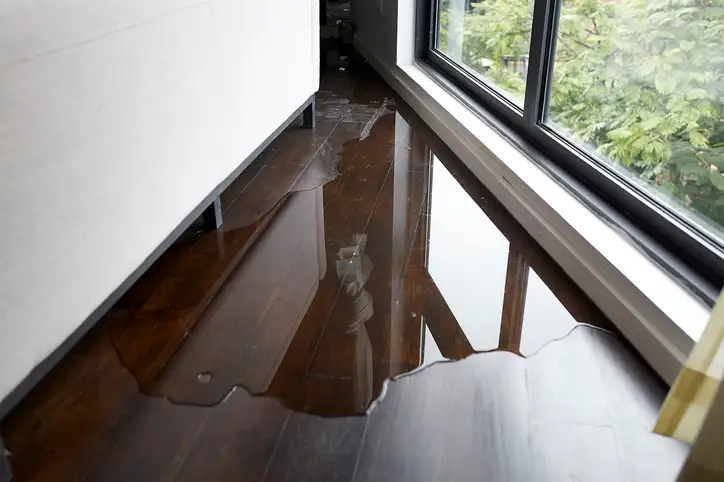
Why Water Testing Matters in North Lauderdale from AC Condensation
In North Lauderdale, air conditioning systems run almost nonstop for most of the year. The heat and humidity make AC essential, but they also create one of the most overlooked moisture problems in local homes: condensation-related water issues. Many homeowners notice stains, odors, or dampness and assume it’s just normal Florida humidity. In reality, AC condensation can introduce hidden water problems that only proper water testing can fully uncover.
Water testing isn’t about panic or worst-case scenarios. It’s about clarity. In homes across North Lauderdale, Pompano Beach, and surrounding Broward County areas, testing helps homeowners understand where moisture is coming from, how long it has been present, and what risks it may pose to the structure.
What AC Condensation Really Means for Your Home
Air conditioners remove moisture from indoor air as part of normal operation. That moisture collects on the evaporator coils and drains out through a condensate line. When everything works correctly, the process is quiet and invisible.
Problems start when that moisture doesn’t drain properly. Clogged drain lines, cracked pans, poor airflow, or improperly insulated ducts allow water to escape into walls, ceilings, and floors. Over time, this trapped moisture can soak building materials and create conditions where mold and structural deterioration can occur.
In North Lauderdale homes, these issues often develop slowly, making them easy to ignore until damage becomes visible.
Why AC Condensation Is So Common in North Lauderdale
North Lauderdale sits in one of South Florida’s most moisture-heavy climates. High humidity levels, frequent rain, and long cooling seasons force AC systems to produce large amounts of condensation daily.
Many homes in the area have slab foundations, which limit natural airflow and slow drying when moisture enters the structure. Older homes may have aging HVAC systems or outdated drainage designs, while newer homes sometimes have tightly sealed construction that traps humidity inside.
This combination makes AC condensation one of the most common moisture sources found during inspections in North Lauderdale and nearby communities like Margate, Coconut Creek, and Fort Lauderdale.
Visible Signs That Often Lead to Water Testing
Homeowners rarely request water testing without noticing something first. Common triggers include water stains near AC vents, damp drywall around air handlers, or recurring musty smells when the system runs.
Some notice peeling paint, bubbling ceilings, or warped baseboards with no obvious leak. Others experience unexplained humidity or discomfort even when the AC appears to be cooling properly.
These signs don’t automatically mean serious damage, but they do indicate that moisture is present somewhere it shouldn’t be.
Hidden Moisture That Water Testing Can Reveal
The most important role of water testing is finding moisture that isn’t visible. AC condensation often spreads behind walls, under flooring, or inside insulation where it can remain undetected for long periods.
Condensate lines may leak inside wall cavities. Ductwork in attics can sweat due to poor insulation, dripping water onto ceilings below. Secondary drain pans may overflow slowly, saturating framing before any stains appear.
Water testing helps confirm whether moisture is active, intermittent, or residual from a past issue. This distinction matters when deciding how to fix the problem properly.
Why Visual Inspection Alone Isn’t Enough
Looking at stains or damp areas only tells part of the story. Visual inspection can’t determine how far moisture has spread, how long it has been present, or whether it’s still actively entering the structure.
Water testing uses moisture detection tools to measure saturation levels in building materials. In some cases, water sampling helps identify whether the moisture comes from clean condensation or from contaminated sources related to drainage or flooding.
This information prevents unnecessary repairs while ensuring real problems aren’t overlooked.
How Professional Water Testing Works
Professional water testing starts with a full evaluation of the AC system and surrounding areas. Inspectors examine air handlers, drain lines, drip pans, ductwork, and insulation.
Moisture meters and thermal imaging help identify wet areas inside walls, ceilings, and floors. Testing may also include checking adjacent rooms, since AC moisture often travels beyond the original source.
When needed, water samples are analyzed to better understand the nature of the moisture. This step supports informed decisions about mold inspection, remediation, or water damage repair.
The Connection Between Water Testing and Mold Prevention
Mold doesn’t appear instantly, but persistent moisture creates the right conditions for growth. AC condensation is one of the leading contributors to indoor mold issues in North Lauderdale homes.
Water testing helps catch moisture problems early, before mold colonies have time to develop. Even when mold is already present, testing helps determine the extent of moisture exposure so remediation efforts are properly targeted.
This approach avoids unnecessary demolition while ensuring affected areas are thoroughly addressed.
When Water Testing Leads to Broader Repairs
In many cases, water testing reveals related issues that require additional attention. AC moisture problems often overlap with duct condensation, poor ventilation, or minor water intrusions from other sources.
Solutions may include drain line repairs, duct insulation replacement, air duct cleaning, or targeted water removal. In homes affected by storms or flooding, flood restoration may be needed alongside AC-related repairs.
Testing ensures that repairs solve the full problem, not just the most visible symptom.
Why Local Experience Matters in North Lauderdale
Water testing in South Florida requires an understanding of local construction, climate, and HVAC design. What looks minor in another region may behave very differently in North Lauderdale’s humidity.
Professionals familiar with Broward County homes know where AC moisture typically hides and how seasonal conditions affect testing results. Local experience allows inspectors to interpret findings accurately and recommend practical next steps.
This is why homeowners often turn to trusted local companies like Pompano Mold Inspection and Testing when AC condensation concerns arise in North Lauderdale and surrounding areas.
A Practical, Calm Next Step for Homeowners
Water testing isn’t about assuming the worst. It’s about understanding what’s happening inside your home so you can make informed decisions. AC condensation is common in North Lauderdale, but unchecked moisture doesn’t have to become a long-term issue.
If you’ve noticed signs of moisture, testing provides answers without guesswork. It helps protect the home, preserve indoor comfort, and prevent small problems from turning into larger repairs. In a climate like South Florida’s, that clarity is one of the most valuable tools a homeowner can have.