


Why Water Testing Matters in Pompano Beach After Roof Leaks
Roof leaks are a common issue in Pompano Beach homes, especially after heavy rain, tropical storms, or prolonged exposure to intense sun and heat. Even small roof leaks can allow water to enter attics, ceilings, and wall systems, creating hidden problems that are not always visible right away. Many homeowners focus on repairing the roof itself but overlook what happens to the water once it enters the home.
Water testing plays an important role after roof leaks because it helps identify the nature of the water intrusion, confirms where moisture has spread, and supports proper restoration decisions. In Pompano Beach’s humid climate, understanding what type of water entered the home and where it traveled is key to preventing long-term damage.
How Roof Leaks Affect Homes Beyond Visible Damage
When a roof leak occurs, water rarely stays confined to one spot. It often enters through roofing materials and travels along rafters, trusses, insulation, and framing before appearing as a ceiling stain or drip.
In many cases, water spreads across attic insulation or inside wall cavities without immediate signs indoors. By the time staining appears on ceilings or walls, moisture may already be present in multiple areas.
This hidden spread makes roof leaks especially risky. Water testing helps confirm how far moisture has traveled and whether additional areas are affected beyond what can be seen.
Why Roof Leaks Are Common in Pompano Beach
Pompano Beach homes are exposed to intense sun, heavy rainfall, and seasonal storms. Over time, roofing materials can crack, lift, or deteriorate, allowing water to penetrate.
Wind-driven rain during storms can force water under shingles, flashing, or roof penetrations. Flat or low-slope roofs, common in parts of Pompano Beach, are especially vulnerable if drainage is poor.
Even newer roofs can develop issues if flashing is improperly installed or sealants fail. Once water enters, it can mix with dust, insulation particles, and other materials inside the structure.
What Water Testing Helps Identify After Roof Leaks
Water testing helps determine the quality and condition of water that entered the home. Roof leak water may appear clean, but it often picks up contaminants as it moves through roofing materials, insulation, and attic spaces.
Testing can help identify whether water contains debris or residues that require additional cleaning steps. This information is important when deciding how to dry, clean, or repair affected areas.
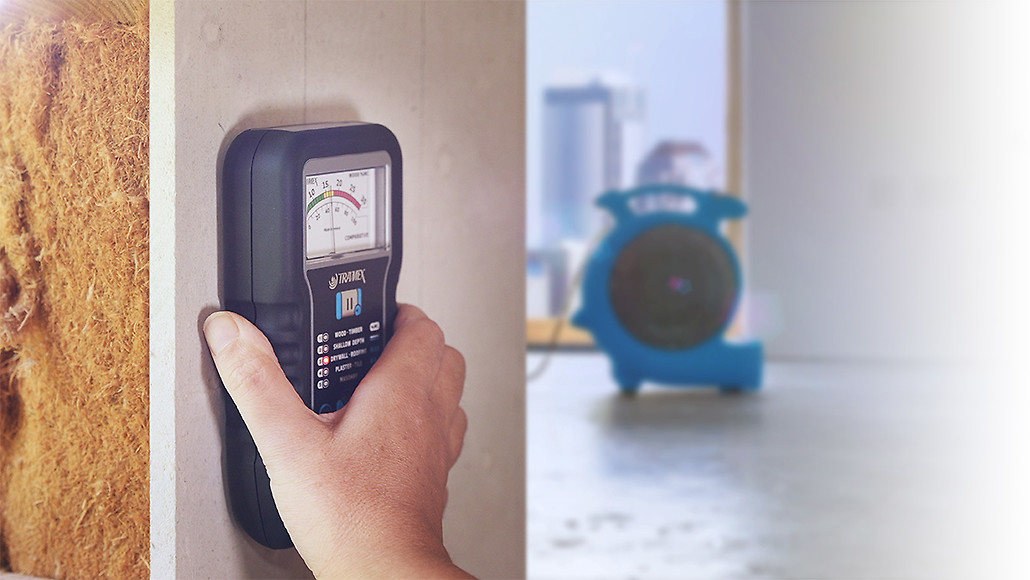
Water testing also supports moisture assessments by confirming whether damp areas are linked to recent roof leaks or ongoing intrusion.
Situations Where Water Testing Is Especially Important
Water testing is particularly useful when roof leaks are discovered late or after prolonged rainfall. In these cases, water may have remained inside the structure long enough to spread widely.
If ceiling stains, sagging drywall, or damp insulation are found, testing helps determine whether water intrusion is isolated or more extensive.
Homes with repeated roof leaks or a history of attic moisture also benefit from water testing to confirm that previous repairs resolved the issue fully.
In rental properties or homes preparing for sale, water testing can provide documentation that supports restoration decisions.
Hidden Risks of Ignoring Water Quality After Roof Leaks
Untested water intrusion can leave behind residues that contribute to odors, material breakdown, or microbial growth. Insulation saturated with contaminated water dries slowly and may continue affecting indoor conditions.
Ceiling drywall and wall cavities can trap moisture and contaminants, creating long-term problems even after the roof is repaired.
Without water testing, homeowners may assume drying alone is enough, only to experience recurring issues weeks or months later.
How Water Testing Fits Into Roof Leak Restoration
After a roof leak is repaired, restoration should focus on what happened inside the home. Water testing is often combined with moisture detection to guide cleanup and drying efforts.
Samples may be collected from affected areas to evaluate water quality and confirm whether additional treatment is needed. This helps ensure restoration efforts match actual conditions rather than assumptions.
Pompano Mold Inspection and Testing provides water testing as part of post-leak assessments in Pompano Beach and surrounding Broward County communities.
Water Testing and Mold Prevention
Roof leaks are a leading cause of attic and ceiling mold growth. Moisture trapped in insulation and framing creates ideal conditions for mold to develop.
Water testing helps identify whether moisture conditions and contaminants increase mold risk. When combined with moisture monitoring, testing supports early intervention before mold becomes established.
Preventing mold after roof leaks depends on thorough drying, accurate assessment, and addressing any contamination present.
Attics, Ceilings, and Wall Cavities After Roof Leaks
Attics are often the first area affected by roof leaks. Wet insulation can hold moisture for extended periods, even when ceilings below appear dry.
Ceilings may show staining or sagging, but moisture can also travel down wall cavities, affecting areas far from the original leak.
Water testing and moisture inspection help identify these hidden pathways and ensure drying reaches all affected areas.
HVAC Systems and Roof Leak Concerns
Roof leaks near attic-mounted air handlers or ductwork can introduce moisture into HVAC systems. Wet ducts or insulation around them can contribute to odors and ongoing moisture issues.
Water testing and inspection help determine whether HVAC components were affected by roof leaks. Addressing these issues early helps protect indoor air conditions.
Practical Steps Homeowners Should Take After Roof Leaks
After repairing a roof leak, do not assume the problem is fully resolved. Inspect attics, ceilings, and walls for signs of moisture.
If water entered the home, consider water testing as part of the evaluation process. Testing provides clarity and supports informed restoration decisions.
Prompt drying and inspection reduce the risk of secondary damage. Delaying assessment often leads to more extensive repairs later.
Regular roof inspections and maintenance help reduce future leak risks, especially before storm season.
Why Local Experience Matters in Pompano Beach
Roof leak behavior and water intrusion patterns vary by location. Pompano Beach homes face specific challenges related to storm patterns, roofing styles, and coastal humidity.
Local professionals understand how water typically travels through homes in this area and where hidden moisture is likely to remain.
Pompano Mold Inspection and Testing brings this local understanding to Pompano Beach, Lighthouse Point, Deerfield Beach, Fort Lauderdale, and surrounding Broward County areas.
A Practical Next Step for Homeowners
If your home has experienced a roof leak, water testing provides valuable insight into what happened after the water entered. It supports proper drying, prevents long-term damage, and reduces the risk of future moisture-related problems.
Taking an informed approach after roof leaks helps protect Pompano Beach homes and ensures repairs address both the cause and the consequences of water intrusion.
